5371 Merchants View Square, Haymarket, VA 20169

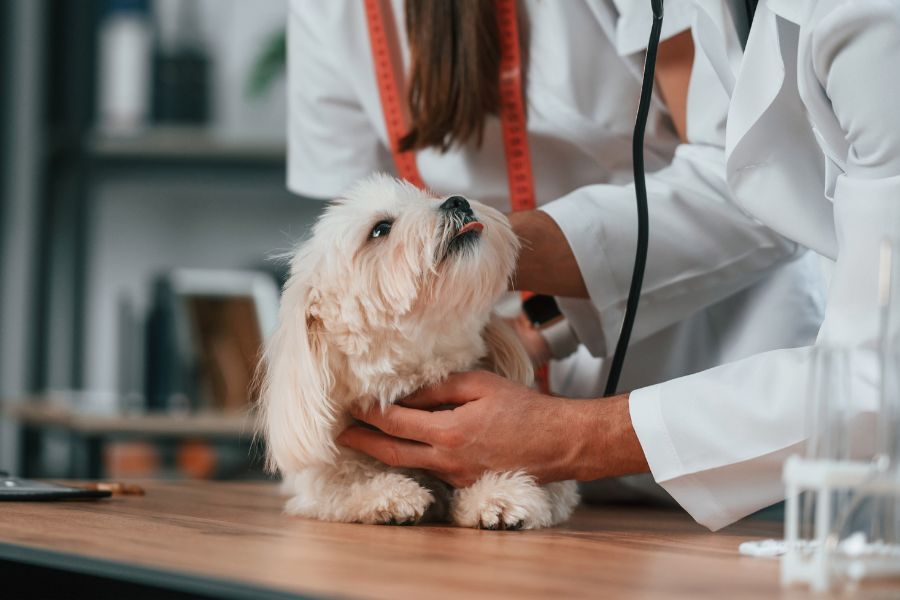
Bringing home a puppy creates excitement and questions. A first wellness exam helps pet owners understand health, growth, behavior, and care needs. During the visit, the care team checks development, reviews feeding habits, discusses vaccines, and explains preventive care in simple language.
Puppies also receive guidance for parasite prevention, grooming routines, and activity levels. A calm appointment helps puppies feel comfortable around new experiences. Pet owners leave with practical information that supports confidence during the first year. Families searching for dependable support for a young dog can benefit from early wellness planning in Haymarket.
Why the First Puppy Wellness Exam Matters
A puppy wellness exam builds lifelong health. Puppies grow quickly during the first months, which makes regular checkups important for tracking development. Early appointments can also identify concerns before they become more serious.
The first visit gives pet owners time to ask questions about sleep routines, chewing habits, potty training, and daily schedules. A wellness appointment creates space for open conversations and clear answers.
Young dogs also need early protection against common illnesses and parasites. Wellness exams help puppies stay on track with vaccines, nutrition, and healthy growth milestones.
Preparing for the Appointment
1. Bring Important Information
Pet owners should bring paperwork received from breeders, shelters, or previous caregivers. Vaccine records, feeding schedules, and medication details help the care team understand the puppy’s history.
2. Keep Your Puppy Comfortable
Short car rides before the appointment can help reduce stress. Bringing a favorite blanket or toy may also help puppies feel relaxed during the visit.
3. Write Down Questions
Writing notes ahead of time helps families remember concerns about behavior, feeding, sleep, or training routines.
What Happens During the Wellness Exam
1. Physical Health Check
The exam begins with a full-body evaluation. The veterinarian checks the puppy’s eyes, ears, skin, teeth, paws, joints, and coat condition. Heart rate, breathing, and body weight are also reviewed carefully.
Puppies grow at different rates, so body condition and development receive close attention during each visit.
2. Vaccine Planning
Vaccines protect puppies from serious illnesses during early development. The care team explains which vaccines are recommended based on age, lifestyle, and exposure risks.
Pet owners also receive a schedule for future booster visits.
3. Parasite Prevention
Puppies can develop fleas, ticks, heartworms, or intestinal parasites without symptoms. Preventive care reduces the chance of health concerns.
The care team may recommend stool testing, monthly prevention products, and routine monitoring based on the puppy’s environment.
4. Nutrition and Growth Guidance
Nutrition plays a major role in healthy puppy development. Feeding recommendations depend on breed size, weight, activity level, and growth stage.
The appointment may include discussions about meal schedules, treats, hydration, and portion control. Pet owners can also learn about healthy weight management and signs of digestive discomfort.
Families interested in better puppy care routines often benefit from creating consistent feeding and exercise habits early.
5. Behavior and Social Development
Puppies learn quickly during the first months of life. Wellness visits often include conversations about barking, chewing, jumping, socialization, and crate training.
Behavior guidance helps owners build positive routines at home and encourages positive interactions.
Questions Pet Owners Commonly Ask
Many new pet owners ask how often puppies should eat, when teething begins, or how much exercise is appropriate. Some owners worry about sleeping patterns or nervous behavior around strangers.
A wellness exam encourages honest discussions without judgment. Clear answers help families feel more prepared for daily life with a growing puppy.
Creating Positive Vet Experiences
Positive experiences during puppyhood can improve future appointments. Calm handling, gentle introductions, and rewards help puppies build trust during visits.
Pet owners can continue this progress at home by practicing brief handling exercises around the ears, paws, and mouth.
At Dominion Valley Animal Hospital, we provide supportive wellness visits that focus on comfort, education, and personalized attention for every growing puppy. Booking an appointment early helps families create healthy routines from the beginning.
Conclusion
A puppy’s first wellness exam supports healthy growth and lasting long-term confidence for pet owners. Early visits guide vaccines, nutrition, behavior, and preventive care. Families who stay consistent with wellness planning often feel more prepared during puppyhood. For pet owners searching for trusted support, reach out to our facility, and our team welcomes families looking for compassionate guidance and community-centered care for their pets in Haymarket.
Frequently Asked Questions(FAQs):
1. How old should a puppy be during the first wellness exam?
A: Most puppies should have their first wellness exam after arriving home. Early appointments help review vaccine schedules, nutrition, growth, and possible health concerns before they become serious issues.
2. What vaccines are usually discussed during the first visit?
A: The first appointment often includes vaccine planning for common illnesses that affect puppies. The care team explains timing, booster schedules, and recommendations based on age, daily environment, and exposure risks from other animals.
3. Should I bring stool samples to the appointment?
A: Many clinics recommend bringing a fresh stool sample because intestinal parasites are common in young puppies. Testing helps identify hidden concerns early and supports accurate prevention recommendations.
4. What should puppies eat after the first visit?
A: Feeding recommendations usually depend on breed size, weight, activity level, and growth stage. The wellness exam helps owners understand meal frequency, portion control, hydration needs, and healthy treat choices.
5. How can I keep my puppy calm during appointments?
A: Short practice car rides, familiar blankets, and positive reinforcement often help puppies feel more comfortable during appointments. Calm introductions and gentle handling support better future wellness visits.
6. Are wellness exams only important during puppyhood?
A: Regular wellness exams remain important throughout every stage of life. Early appointments establish healthy routines, while ongoing visits help monitor weight, behavior, mobility, and dental health.