5371 Merchants View Square, Haymarket, VA 20169

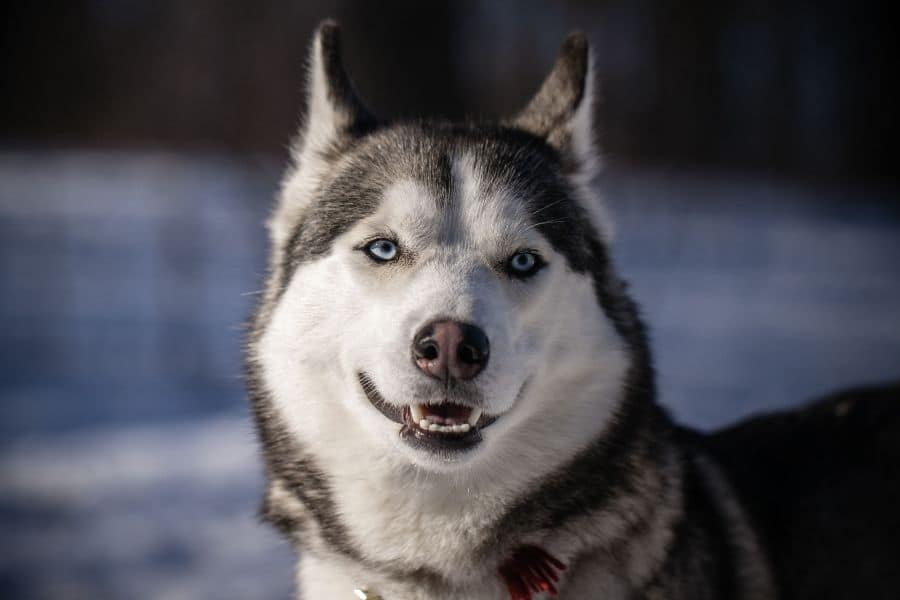
Siberian Huskies are known for their striking blue or brown eyes, thick coats, playful personalities, and impressive endurance. But one question often comes up among Husky owners: How long do Huskies actually live?
You may have heard that Huskies always live well into their late teens, or that their active nature protects them from many age-related problems. You may also have heard the opposite—that large, energetic dogs have short lifespans and start slowing down early.
Both ideas can be misleading.
A Siberian Husky typically lives around 12 to 14 years, although individual dogs can live shorter or longer lives. Genetics, nutrition, exercise, preventive care, weight, dental health, living conditions, and the ability to catch health problems early all play a role.
Understanding the facts can help you make better decisions throughout your Husky’s life. Here are some common lifespan myths every owner should know.
How Long Do Huskies Usually Live?
The average Siberian Husky lifespan is generally 12 to 14 years. Some Huskies reach their mid-teens, while others develop serious health problems earlier.
Age alone does not determine how healthy a Husky will be. Two dogs of the same age can have very different needs.
A 10-year-old Husky that remains active, maintains a healthy weight, eats well, and receives regular health checks may have a very different outlook from another 10-year-old Husky with obesity, untreated dental disease, or an undiagnosed medical condition.
This is why focusing only on a number can give owners the wrong idea. Lifespan matters, but healthspan—the years your dog remains comfortable, active, and able to enjoy daily life—matters just as much.
Myth #1: Every Husky Lives to 15 or 16
Hearing stories about a Husky that lived to 16 can create unrealistic expectations.
Some Huskies do reach that age, but it is not the typical lifespan. A dog’s genetics have a strong influence on longevity, and inherited health risks can vary between individual dogs and bloodlines.
Lifestyle also matters. A Husky that receives balanced nutrition, stays at a healthy weight, gets appropriate exercise, and has routine health monitoring has a better chance of maintaining good health as it ages.
That does not guarantee a particular lifespan. Even dogs with excellent care can develop illnesses that are difficult or impossible to prevent.
The better goal is not to make your Husky reach a certain birthday. It is to give your dog the best possible chance of having healthy years along the way.
Myth #2: Huskies Age Slowly Because They Are Athletic
Huskies were bred for endurance and physical work, so it is easy to assume that their athletic nature means they age more slowly than other dogs.
That is not how aging works.
An older Husky may still want to run, play, explore, or chase a toy even when its body cannot handle the same level of activity it did several years earlier. Dogs can also hide discomfort surprisingly well.
Changes such as taking longer to get up, avoiding stairs, sleeping more, or becoming less interested in long walks can be dismissed as “just getting older.” Sometimes they are normal age-related changes. Other times, they can point to joint disease or another health concern.
Pay attention to changes rather than comparing your dog with other Huskies.
Myth #3: A Husky That Looks Healthy Does Not Need Regular Checkups
A shiny coat, bright eyes, and plenty of energy are reassuring, but they do not tell you everything happening inside your dog.
Some health problems develop with few obvious signs during the early stages. Regular checkups allow your pet care team to assess weight, teeth, heart and lung function, mobility, skin, eyes, and overall condition.
As Huskies get older, routine monitoring becomes even more useful. Blood and urine testing may also be recommended based on your dog’s age, history, medications, or symptoms.
Regular visits are not only about treating illness. They are also about identifying changes before they become harder to manage.
If you are looking for information about preventive care, Husky wellness care can be used as an anchor text for a relevant pet health service page.
Myth #4: Huskies Do Not Need Much Dental Care
A common misconception is that dogs naturally keep their teeth clean by chewing.
Chewing may help mechanically remove some debris, but it does not replace proper dental care.
Plaque can build up on a Husky’s teeth and harden into tartar. Over time, this can contribute to gum inflammation, bad breath, pain, loose teeth, and infection.
Dental problems can also affect a dog’s overall well-being. A Husky with painful teeth may continue eating despite discomfort, which can make dental disease easy to overlook.
Watch for:
- Persistent bad breath
- Red or swollen gums
- Yellow or brown buildup on the teeth
- Difficulty chewing
- Dropping food
- Pawing at the mouth
- Changes in eating habits
- Loose or damaged teeth
Daily tooth brushing is one of the most useful habits you can establish when your Husky is young. Routine oral assessments also help identify problems that may not be visible at home.
Myth #5: More Exercise Always Means a Longer Life
Huskies need regular physical and mental activity. That is part of what makes them such rewarding companions.
But more exercise is not automatically better.
A young, healthy Husky may enjoy long walks, running, hiking, and other demanding activities. An older dog may need shorter walks, more rest, and activities that place less stress on the joints.
Exercise should match your dog’s age, fitness level, health, and environment.
Too little activity can contribute to weight gain and boredom. Too much high-impact activity can place unnecessary stress on joints and muscles.
The goal is appropriate exercise, not maximum exercise.
Myth #6: A Husky’s Thick Coat Protects It From Every Cold or Heat Risk
Huskies have a dense double coat that helps them handle cold conditions remarkably well. That does not make them immune to extreme temperatures.
Hot weather can be particularly dangerous.
A thick coat does not mean a Husky can safely exercise for long periods during high temperatures. Heat exhaustion and heatstroke can develop quickly, especially during strenuous activity.
During hot weather, provide access to fresh water and shade, avoid intense exercise during the hottest parts of the day, and watch closely for signs of overheating.
A Husky’s coat also should not be routinely shaved down to the skin simply because summer arrives. The coat provides insulation and protection. Regular brushing helps remove loose undercoat and keep the coat in good condition.
Myth #7: Weight Gain Is Just Part of Getting Older
Older Huskies often become less active. Their calorie needs may decrease, but their appetite does not always change.
That combination can lead to gradual weight gain.
Extra body weight puts more stress on the joints and can make movement harder. It can also make exercise less comfortable, creating a cycle in which the dog moves less and gains more weight.
Keeping your Husky at a healthy body condition throughout life is one of the most practical things you can do for long-term mobility and quality of life.
Do not rely only on the number on the scale. Body shape matters too. You should be able to feel your dog’s ribs without pressing hard, while the waist should be visible when viewed from above.
If your Husky’s weight is changing without an obvious reason, discuss it with a qualified pet health professional.
Myth #8: Senior Huskies Should Stop Being Active
This is one of the most harmful assumptions about aging dogs.
Getting older does not mean your Husky should spend the entire day on the couch.
Regular movement helps support muscle strength, joint function, mental stimulation, and a healthy weight. The type and amount of activity may need to change, though.
Instead of a long, strenuous run, an older Husky may benefit from several shorter walks. Gentle play, sniffing activities, food puzzles, and basic training can also provide mental stimulation without putting excessive strain on the body.
Watch your dog during and after activity. If your Husky consistently struggles to recover, limps, avoids movement, or seems painful, it is time to have the change assessed.
Myth #9: A Senior Husky’s Behavior Changes Are Always Normal
Aging can bring changes in sleep, activity, and behavior. But not every behavioral change should be blamed on age.
A previously social Husky that suddenly becomes withdrawn may be experiencing discomfort or another health issue. Increased thirst, changes in bathroom habits, confusion, restlessness at night, appetite changes, or unusual vocalization can also deserve attention.
Keep track of changes instead of waiting for them to become severe.
A simple record of appetite, water intake, bathroom habits, activity, sleep, and behavior can help you recognize patterns. It can also give your pet’s care team useful information during a checkup.
Myth #10: Genetics Are the Only Thing That Determines Lifespan
Genetics matter, but they are not the entire story.
You cannot control every inherited risk your Husky may have. You can control many of the everyday factors that affect health.
These include:
- Balanced Nutrition
Feed an appropriate diet based on your dog’s age, size, activity level, and individual needs. Avoid excessive treats and table scraps that can quietly add extra calories.
- Healthy Weight
Keep an eye on body condition throughout life. Weight management becomes especially important as activity levels change.
- Regular Exercise
Provide consistent activity while adjusting intensity as your Husky ages or develops physical limitations.
- Dental Care
Start oral hygiene early and continue it throughout your dog’s life.
- Preventive Health Visits
Routine health assessments can help identify changes before they become advanced problems.
- Early Attention to Changes
Do not ignore persistent changes in appetite, drinking, movement, breathing, bathroom habits, skin, behavior, or energy.
These habits cannot guarantee that a Husky will live to a certain age. They can, however, give your dog a stronger foundation for a healthier life.
What Changes Should Husky Owners Watch For?
Knowing what is normal for your individual dog is one of the most useful tools you have.
Contact your pet’s care team when you notice persistent or significant changes such as:
- Unexplained weight loss or gain
- Reduced appetite
- Increased thirst
- Changes in urination
- Persistent coughing
- Difficulty breathing
- Repeated vomiting or diarrhea
- Limping or stiffness
- Trouble climbing stairs
- Changes in vision
- Persistent bad breath
- New lumps or bumps
- Significant behavior changes
- Unusual tiredness
A single quiet afternoon does not necessarily mean something is wrong. A pattern that continues or worsens deserves attention.
How to Support Your Husky Through Every Life Stage
Your Husky’s needs will change over time.
Puppy: Focus on healthy growth, appropriate nutrition, socialization, training, parasite prevention, and establishing good grooming and dental habits.
Adult: Maintain a healthy weight, provide regular exercise, continue preventive care, and monitor for subtle changes.
Senior: Adjust food and activity as needed, pay closer attention to mobility and behavior, and discuss age-related screening with your pet’s health professional.
Think of your dog’s care as a long-term process rather than a series of isolated appointments.
Conclusion: Focus on Healthy Years, Not Just More Years
Husky lifespan myths can create expectations that do not match reality. No owner can predict exactly how long a particular dog will live, and reaching a certain age is never guaranteed.
What you can do is focus on the factors within your control.
Give your Husky appropriate nutrition, maintain a healthy weight, keep them active, care for their teeth, provide regular health monitoring, and pay attention when something changes. As your dog moves from puppyhood to adulthood and eventually into the senior years, adjust care to match those changing needs.
The goal is not simply to add birthdays. It is to help your Husky remain comfortable, active, and happy for as many of those years as possible.
Frequently Asked Questions(FAQs):
1. What is the average lifespan of a Siberian Husky?
A Siberian Husky typically lives about 12 to 14 years. Some live longer, while others have shorter lives because of genetics, disease, injury, or other factors.
2. Is 10 years old considered old for a Husky?
A 10-year-old Husky is generally considered a senior. However, senior does not mean unhealthy. Many dogs at this age remain active and engaged when their changing needs are properly managed.
3. Can diet affect a Husky’s lifespan?
Yes. A balanced diet and healthy weight support overall health. Overfeeding can contribute to obesity, which can place additional stress on the joints and affect mobility and quality of life.
4. How can I help my Husky live a longer, healthier life?
Focus on preventive care, balanced nutrition, healthy weight, regular exercise, dental hygiene, parasite prevention, and early attention to unusual changes.
5. Do Huskies need different care as they get older?
Yes. Senior Huskies often need adjustments to exercise, nutrition, dental care, and health monitoring. Your dog’s needs should be based on its individual condition rather than age alone.