5371 Merchants View Square, Haymarket, VA 20169

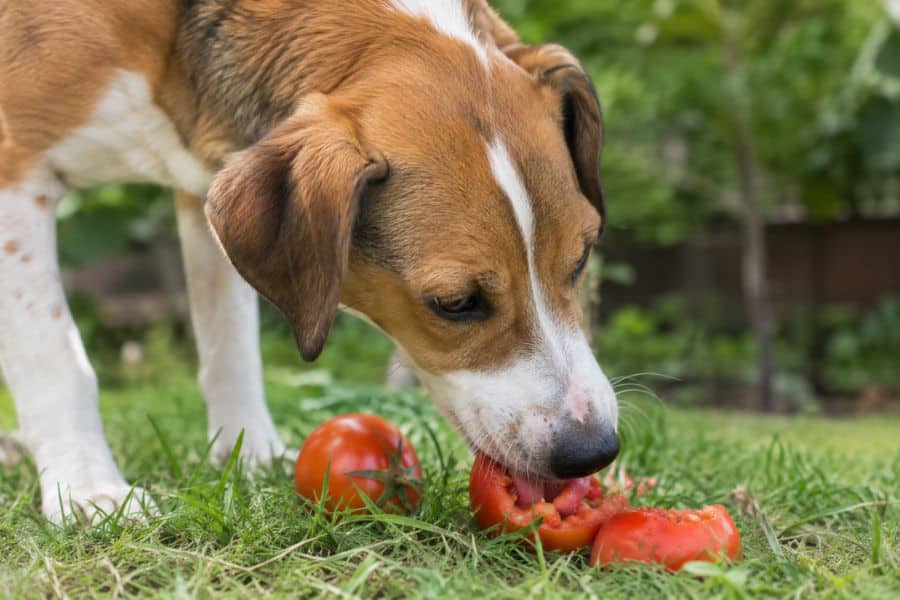
A tomato garden can look harmless, yet certain parts of the plant can threaten dogs. This guide explains tomato plant toxicity in dogs, signs of poisoning, what to do after ingestion, when professional veterinary care is needed, and ways to make a garden safer for curious pets.
Are Tomato Plants Toxic to Dogs?
Tomato plants belong to the nightshade family. The green parts contain solanine and related compounds. A ripe tomato has much less of these substances.
A dog that eats a small piece of ripe tomato usually has little reason for concern. Eating green tomato or plant material deserves closer attention. Risk depends on the amount consumed, the dog’s size, and which part was eaten. Puppies, small dogs, and pets that eat an entire plant deserve particular attention because the amount consumed may be substantial relative to body size.
Which Parts of a Tomato Plant Are Dangerous?
Green Tomatoes
Unripe tomatoes contain higher levels of compounds that can upset a dog’s digestive system. A few bites may cause no noticeable reaction, but larger quantities can lead to illness.
Leaves and Stems
Tomato leaves and stems are the bigger garden concern. Dogs may chew these parts while exploring vegetable beds, especially puppies that investigate plants with their mouths.
Ripe Tomatoes
Fully ripe, red tomatoes are not considered highly toxic to dogs. Remove the leaves and stem before offering a small piece. Plain tomato is preferable to tomato sauce, salsa, or seasoned dishes that may contain onion, garlic, excess salt, or spices.
What Happens If a Dog Eats a Tomato Plant?
The response can range from mild stomach upset to more concerning symptoms. Watch for vomiting, diarrhea, drooling, loss of appetite, weakness, lethargy, or unusual behavior. Larger exposures may produce poor coordination, tremors, changes in heart rate, or significant weakness. These signs can look like other illnesses, so the history of plant exposure matters when deciding what care is needed.
Symptoms are not a reliable way to measure exposure. A dog can appear normal shortly after eating plant material. Keep observing your pet and note changes.
What Should You Do After Tomato Plant Ingestion?
Stay calm and identify what your dog ate. Save a sample or photograph of the plant if identification is uncertain. Estimate how much was consumed and record the approximate time. Note your dog’s weight and any symptoms.
Do not make your dog vomit unless a qualified professional specifically instructs you to do so. Home remedies can create additional risks. Contact your animal clinic when your dog has eaten leaves, stems, or a substantial amount of green tomato.
Prompt attention is important when symptoms develop, the amount eaten is unknown, or a small dog consumes a significant portion of the plant.
Tomato Poisoning in Dogs: Signs to Watch
Digestive signs often attract the most attention. Vomiting, loose stools, drooling, abdominal discomfort, and reduced interest in food can occur. More serious signs can include weakness, confusion, tremors, difficulty walking, or abnormal heart activity.
Do not wait for severe symptoms before seeking advice.
How to Keep Dogs Safe Around Tomato Plants
Garden management can prevent most problems. Think about the garden from a dog’s perspective: anything within reach can become a chewing opportunity during outdoor play. Use fencing around vegetable beds and keep fallen leaves, stems, and unripe fruit picked up. Train dogs to leave garden plants alone. Supervise puppies and persistent chewers outdoors.
Store gardening products securely. Never let pets access compost containing moldy food or discarded plant material. Wash ripe tomatoes before sharing them, remove the stem and leaves, and offer only a small plain portion as an occasional treat.
A dog-friendly garden does not require removing every plant.
Can Dogs Eat Tomatoes Safely?
Yes, many dogs can eat ripe tomatoes in moderation. Introduce a small piece and watch for digestive sensitivity.
Avoid green tomatoes and all tomato plant parts. Skip tomato products made with onion, garlic, heavy seasoning, or large amounts of salt.
When Does Tomato Plant Exposure Need Veterinary Care?
Reliable veterinary care becomes important when a dog has eaten tomato leaves, stems, many green tomatoes, or an unknown quantity of plant material. Bring plant material or a clear photo when possible. Do not rely on internet symptom lists to decide whether a significant exposure is harmless.
A Safer Garden Starts With Awareness
Tomato plants do not have to disappear from a dog-friendly home. Knowing which plant parts create concern, limiting access, and responding quickly to possible ingestion can reduce risk. Keep ripe tomatoes as an occasional treat, keep green plant material away from curious mouths, and seek professional guidance when exposure is significant or symptoms appear.
Frequently Asked Questions(FAQs):
1. Are tomato plants poisonous to dogs?
A: Tomato plants can be harmful because leaves, stems, and unripe tomatoes contain higher levels of potentially toxic compounds. Ripe red tomatoes contain much less, making small portions generally safer for most healthy dogs.
2. Can dogs eat ripe tomatoes?
A: Dogs can usually eat small amounts of plain, fully ripe tomato. Remove the stem and leaves, serve a modest portion, and monitor for stomach upset. Avoid sauces containing onion, garlic, salt, or seasonings.
3. What are symptoms of tomato poisoning in dogs?
A: Possible signs include vomiting, diarrhea, drooling, appetite loss, weakness, lethargy, tremors, poor coordination, or unusual behavior. Serious symptoms warrant prompt professional advice, particularly after an unknown or substantial amount was consumed.
4. What should I do if my dog eats tomato leaves?
A: Remove access to the plant, identify the amount eaten, and contact your animal clinic for guidance. Do not induce vomiting or give home remedies unless a qualified professional specifically tells you to do so.
5. Can green tomatoes make dogs sick?
A: Green tomatoes contain higher concentrations of compounds than ripe tomatoes. A small bite may cause no illness, but larger amounts can produce digestive or other symptoms. Contact a professional if your dog consumes many green tomatoes.
6. How can I protect my dog from tomato plants?
A: Fence garden beds, remove fallen leaves and green fruit, supervise outdoor time, and teach your dog to avoid plants. Secure fertilizers, pesticides, and compost. These steps reduce opportunities for accidental garden-related poisoning.