5371 Merchants View Square, Haymarket, VA 20169

Intervertebral Disc Disease (IVDD) is one of the most common spinal conditions affecting dogs. It can cause pain, weakness, mobility issues, and in severe cases, paralysis. Many pet owners are surprised to learn that IVDD is not a single condition. It is generally classified into Type I and Type II disc disease, each with different causes, symptoms, progression rates, and treatment approaches.
Understanding these differences helps owners recognize warning signs early and seek timely care. This guide explains what IVDD is, how Type I and Type II differ, which breeds are most at risk, available treatment options, recovery expectations, and ways to support long-term spinal health. Early detection often leads to better outcomes and improved quality of life for affected dogs.
What Is IVDD in Dogs?
Intervertebral discs act as cushions between the vertebrae of a dog’s spine. These discs absorb shock and allow flexibility during movement. Each disc has a soft inner center surrounded by a tougher outer layer.
IVDD develops when these discs degenerate and begin pressing against the spinal cord or nearby nerves. The resulting compression can cause discomfort, inflammation, loss of coordination, weakness, and neurological problems.
The severity of IVDD varies widely. Some dogs experience mild back pain, while others may suddenly lose the ability to walk.
Understanding the Difference Between Type I and Type II IVDD
Although both forms affect the spinal discs, they develop differently.
1. Type I IVDD
Type I IVDD occurs when the inner disc material suddenly ruptures through the outer layer and enters the spinal canal. This creates rapid spinal cord compression.
This form is often acute, meaning symptoms can appear suddenly within hours or days.
Common characteristics include:
- Sudden onset of pain
- Difficulty walking
- Weakness in the limbs
- Reluctance to jump or climb stairs
- Possible paralysis in severe cases
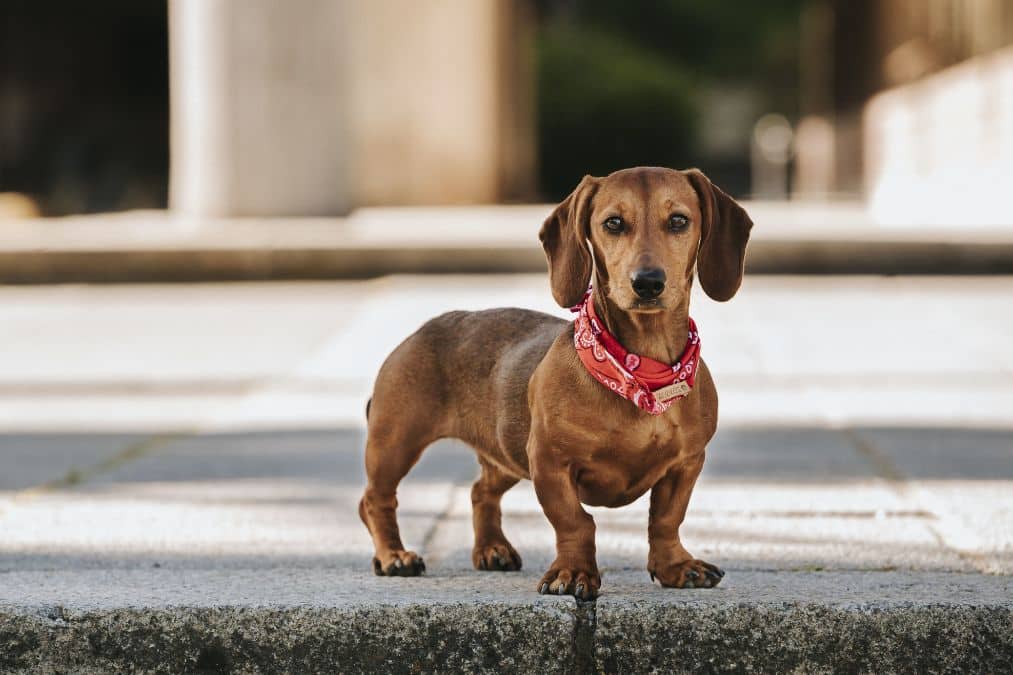
Type I IVDD is most commonly seen in chondrodystrophic breeds, which have genetically altered cartilage development.
Breeds frequently affected include:
- Dachshund
- Beagle
- French Bulldog
- Pekingese
- Shih Tzu
2. Type II IVDD
Type II IVDD develops gradually over time. The outer disc layer slowly bulges into the spinal canal, causing progressive compression of the spinal cord.
Symptoms usually worsen over weeks, months, or even years.
Common characteristics include:
- Gradual weakness
- Reduced activity levels
- Stiff movements
- Difficulty standing
- Progressive loss of coordination
Type II IVDD is more often diagnosed in larger and older dogs.
Breeds commonly affected include:
- German Shepherd
- Labrador Retriever
- Doberman Pinscher
- Rottweiler
Common Signs of IVDD in Dogs
Recognizing symptoms early can help prevent further spinal damage.
1. Early Warning Signs
- Neck or back pain
- Hesitation when jumping
- Difficulty climbing stairs
- Changes in posture
- Muscle tension
- Reduced activity
2. Advanced Symptoms
- Dragging paws
- Loss of balance
- Limb weakness
- Difficulty walking
- Loss of bladder control
- Loss of bowel control
- Partial or complete paralysis
Any sudden loss of mobility should be treated as an emergency.
How Is IVDD Diagnosed?
A thorough examination helps determine the location and severity of spinal cord compression.
Diagnostic steps may include:
- Physical examination
- Neurological assessment
- Digital radiographs
- CT scans
- MRI imaging
MRI is often considered the most effective imaging method because it provides detailed information about spinal cord involvement and disc damage.
Accurate diagnosis helps determine whether medical management or surgery is the most appropriate treatment option.
Treatment Options for Type I and Type II IVDD
Treatment depends on symptom severity, neurological status, and the specific type of disc disease.
1. Conservative Management
Dogs with mild symptoms may respond well to non-surgical care.
Conservative treatment often includes:
- Strict activity restriction
- Pain medications
- Anti-inflammatory medications
- Physical rehabilitation
- Weight management
Owners must carefully follow activity restrictions to reduce the risk of worsening spinal cord compression.
2. Surgical Treatment
Surgery is often recommended for dogs experiencing significant neurological deficits or severe spinal cord compression.
Surgical goals include:
- Removing disc material
- Relieving pressure on the spinal cord
- Preventing additional damage
- Improving mobility
Many dogs regain substantial function when surgery is performed before permanent nerve damage occurs.
Recovery and Prognosis
Recovery varies based on several factors:
- Severity of spinal cord injury
- Speed of diagnosis
- Type of IVDD
- Treatment selected
- Overall health of the dog
Dogs treated early often have more favorable outcomes. Rehabilitation exercises can improve strength, balance, and mobility throughout recovery.
Some dogs return to normal activities, while others require ongoing management and lifestyle adjustments.
Can IVDD Be Prevented?
Not every case can be prevented, especially when genetics plays a role. Several strategies may help reduce risk and support spinal health.
1. Maintain a Healthy Weight
Excess body weight increases strain on the spine and joints.
2. Encourage Safe Exercise
Regular low-impact activity supports muscle strength and spinal stability.
3. Limit High-Impact Activities
Repeated jumping from furniture or vehicles can place additional stress on spinal discs.
4. Schedule Routine Wellness Visits
Regular wellness examinations help identify mobility concerns before they become more serious. Early monitoring allows for faster intervention when subtle signs of spinal disease appear.
Living With a Dog Diagnosed With IVDD
An IVDD diagnosis does not automatically mean a poor quality of life. Many dogs continue to enjoy happy, active years with proper management.
Supportive care may include orthopedic bedding, mobility aids, controlled exercise plans, rehabilitation therapy, and ongoing monitoring. Owners who understand their dog’s limitations can make meaningful adjustments that improve comfort and reduce the likelihood of future flare-ups.
FAQs About IVDD in Dogs
1. What causes IVDD in dogs?
A: IVDD develops when spinal discs degenerate and either rupture or bulge into the spinal canal. Genetics, age, breed predisposition, body weight, and physical stress on the spine can all contribute to disc disease development.
2. Which dog breeds are most likely to develop IVDD?
A: Dachshunds, French Bulldogs, Beagles, Pekingese, and Shih Tzus are commonly affected by Type I IVDD. Larger breeds such as German Shepherds, Dobermans, Labrador Retrievers, and Rottweilers are more prone to Type II IVDD.
3. Is IVDD painful for dogs?
A: Yes. IVDD can cause significant discomfort due to inflammation and pressure on the spinal cord and nerves. Pain may range from mild stiffness to severe spinal pain that limits normal movement and activity.
4. Can a dog recover from IVDD without surgery?
A: Some dogs with mild symptoms recover successfully through rest, medications, rehabilitation, and activity modification. Severe cases involving major neurological deficits often require surgical intervention for the best chance of recovery.
5. How long does IVDD recovery take?
A: Recovery timelines vary widely. Mild cases may improve within several weeks, while surgical patients often require several months of rehabilitation, exercise restriction, and ongoing monitoring before reaching maximum improvement.
6. When should I seek emergency care for IVDD symptoms?
A: Immediate evaluation is recommended if your dog suddenly cannot walk, shows severe pain, loses bladder control, or experiences rapid weakness. Prompt treatment improves the likelihood of preserving nerve function and mobility.