5371 Merchants View Square, Haymarket, VA 20169

Dogs show discomfort in many ways, and food allergies rank among the most common causes of ongoing itch, stomach upset, and skin trouble. This guide explains the warning signs, how food reactions differ from other issues, and feeding choices that support comfort.
You will learn when to act, what to avoid, and how to choose the best dog food for allergies without stress. Dog owners in Haymarket often ask these questions, and clear answers matter.
What a Food Allergy Looks Like in Dogs
Food allergies happen when a dog reacts to a protein or ingredient eaten often. The body treats it as a threat. Signs build over time, not overnight. Many dogs eat the same food for months before trouble appears. Age does not protect a dog from developing a reaction.
1. Common Skin Signs to Watch
Skin issues lead the list. Constant scratching, licking paws, rubbing the face, and chewing legs raise concern. Red skin, hot spots, ear redness, and hair thinning often follow. Bathing helps briefly, then itching returns.
2. Digestive Clues That Point to Food
Stomach signs matter. Loose stools, gas, vomiting, or frequent bowel movements signal irritation. Some dogs lose interest in meals. Others stay hungry but fail to gain weight. These signs repeat after eating the same food.
3. Behavior Changes That Signal Discomfort
Dogs act differently when they feel bad. Restlessness, poor sleep, and irritability show discomfort. A normally social dog may avoid touch. These shifts often link back to itch or stomach pain caused by food.
Food Allergy or Something Else
Not every itch means food. Fleas, pollen, dust, and cleaners also trigger reactions. Food allergies stay steady all year. Seasonal allergies flare at certain times. Food reactions affect the skin and stomach together more often.
Testing helps narrow the cause. An elimination diet gives the clearest answer. This plan removes common triggers and adds them back slowly. Patience pays off with clear results.
Ingredients That Commonly Cause Trouble
Proteins cause most reactions. Beef, chicken, dairy, eggs, and lamb top the list. Some dogs react to grains, though less often. Reactions depend on exposure, not quality.
Reading labels matters. Short ingredient lists help owners track changes. Treats count too. One snack can undo weeks of progress.
What to Feed a Dog With Food Allergies
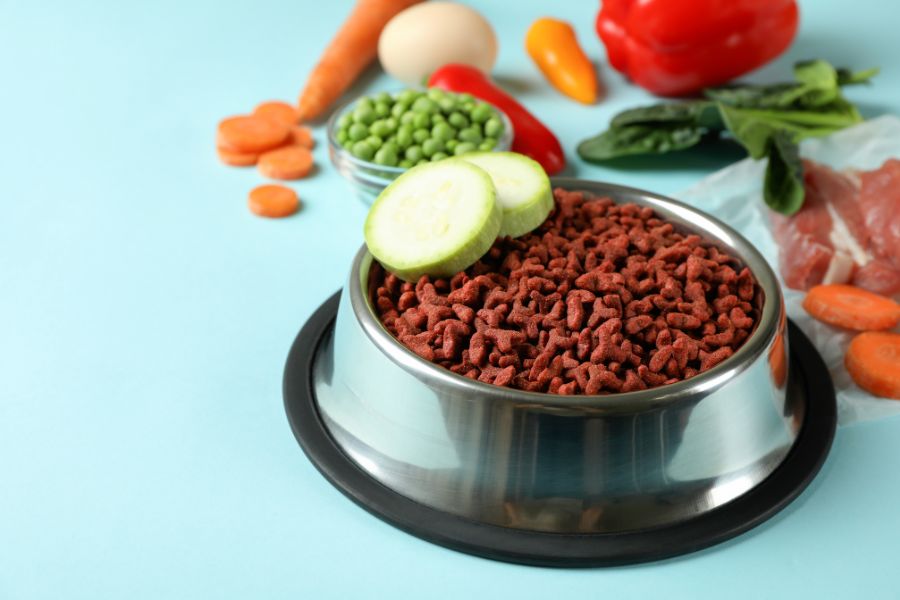
Relief starts with the right food. Limited-ingredient diets reduce exposure. Novel proteins like duck or venison help dogs avoid familiar triggers. Hydrolyzed foods break proteins into tiny pieces that the body ignores.
Home-cooked meals appeal to many owners, yet balance matters. Missing nutrients cause new problems. Professional guidance keeps meals safe.
In the middle of this process, many owners search for the best dog food for allergies and feel overwhelmed. Simple rules help. Pick one protein. Avoid extras. Stick with the plan for weeks.
Feeding Tips That Support Healing
Consistency brings results. Sudden switches upset digestion. Transition slowly over seven to ten days. Measure meals to avoid overfeeding. Clean bowls daily to reduce residue.
Track changes with notes. Record stool quality, itch level, and energy. Patterns reveal progress. Share updates during checkups.
Dog owners in Haymarket benefit from steady guidance during diet changes. Support prevents guesswork and frustration.
Common Mistakes to Avoid
Many plans fail due to small slips. Sharing table food causes setbacks. Switching foods too fast upsets digestion. Adding supplements without guidance creates an imbalance. Ignoring treats skews results. Consistency and patience protect progress and reduce flare-ups over time.
When to Seek Help
Seek help when signs persist beyond a few weeks. Sores, ear pain, or weight loss need attention. Young dogs deserve early support. Long-term itch harms skin and mood.
Our team helps identify triggers and guide safe feeding plans without pressure. Many families in Haymarket find peace of mind once the right plan begins. Choosing the best dog food for allergies supports comfort today and long-term health tomorrow.
If your dog shows ongoing itchiness or stomach upset, book an appointment with Dominion Valley Animal Hospital to discuss next steps and feeding options.
A Clear Path Forward
Food allergies frustrate dogs and owners. Clear signs guide action. Simple diets bring relief. Careful tracking confirms success. With patience and support, dogs regain comfort. Clear communication and steady follow-through help owners feel confident during every step of the process.
Frequently Asked Questions(FAQs):
1. How long does it take to see improvement after making a change to your diet?
A: Most dogs show early improvement within four to six weeks. Skin takes longer to heal than digestion. Strict feeding matters. Treats, table scraps, and flavored meds delay progress and confuse results.
2. Can puppies have food allergies?
A: Yes, puppies develop food allergies. Signs include itch, ear redness, and loose stool. Early action protects skin and growth. A simple diet plan supports comfort during development and prevents ongoing issues.
3. Are grain-free foods better for allergies?
A: Grain-free does not equal allergy-friendly. Proteins cause most reactions. Some dogs tolerate grains well. Focus on ingredient simplicity and proven tolerance, not labels or trends.
4. Can treats cause allergy flare-ups?
A: Treats trigger flare-ups often. Many contain multiple proteins and flavors. During diet trials, use matching treats or none. One biscuit can restart itching and stomach upset.
5. Do food allergies ever go away?
A: Food allergies stay for life. Dogs manage them well with the right diet. Avoiding triggers keeps symptoms controlled and quality of life high without daily discomfort.
6. Should I rotate foods to prevent allergies?
A: Frequent rotation does not prevent allergies. Consistency helps identify triggers. Once a safe food works, stick with it. Changes introduce risk without benefit for sensitive dogs.