5371 Merchants View Square, Haymarket, VA 20169

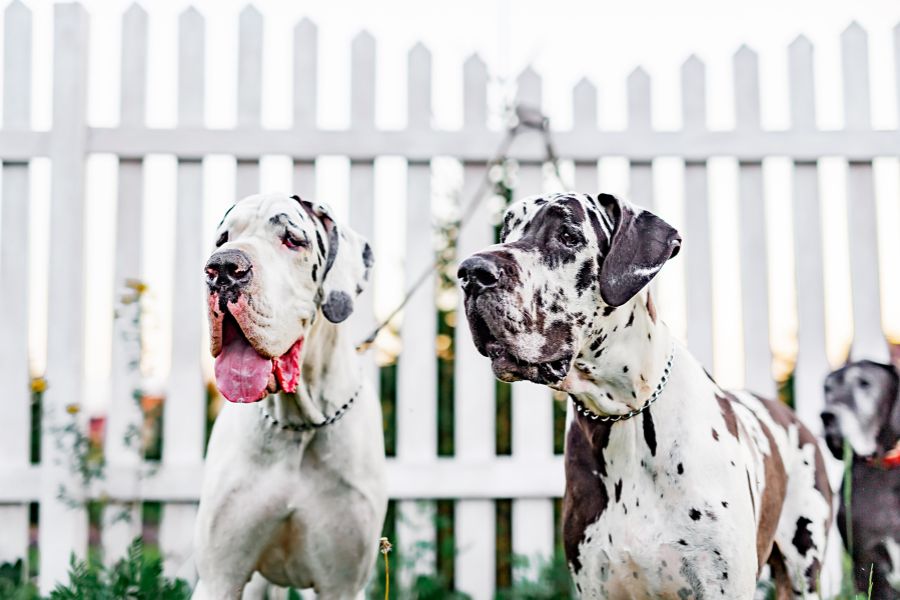
Great Danes are often called “gentle giants,” known for their towering size and affectionate nature. While they bring immense joy to families, one concern many owners share is their relatively short lifespan. Understanding the life expectancy of Great Dane dogs is the first step in giving your pet the best chance at a long, healthy life.
On average, Great Danes live between 7 and 10 years. While this may feel short compared to smaller breeds, there is a lot you can do to support their health and potentially extend their years. This guide walks you through the key factors that influence their lifespan and practical steps you can take starting today.
What Is the Life Expectancy of Great Dane Dogs?
The life expectancy of Great Dane dogs typically falls within a 7–10 year range. Some may live longer with excellent care, while others may face health challenges that shorten their lifespan.
1. Why Is Their Lifespan Shorter?
Large and giant breeds tend to age faster than smaller dogs. Their rapid growth puts more strain on their bodies, especially the heart, joints, and bones. This makes them more prone to certain health conditions that can impact longevity.
2. Factors That Influence Lifespan
Several elements play a role in how long your Great Dane may live:
- Genetics and breeding quality
- Diet and nutrition
- Exercise and weight management
- Preventive veterinary care
- Living environment and stress levels
Each of these factors can either support or reduce your dog’s overall health.
Common Health Issues That Affect Great Danes
To better understand the life expectancy of Great Dane dogs, it helps to know the common health risks they face.
1. Bloat (Gastric Dilatation-Volvulus)
This is one of the most serious conditions in Great Danes. It occurs when the stomach fills with gas and twists, cutting off the blood supply. It requires immediate emergency care.
Signs to watch for:
- Swollen abdomen
- Restlessness
- Drooling
- Attempts to vomit without success
2. Heart Disease
Dilated cardiomyopathy (DCM) is common in large breeds. It affects the heart’s ability to pump blood effectively.
3. Joint and Bone Problems
Hip dysplasia and arthritis can develop due to their size and weight, impacting mobility and comfort.
4. Cancer
Certain cancers are more common in Great Danes and can affect lifespan if not detected early.
5. Thyroid Issues
Hypothyroidism can lead to weight gain, lethargy, and skin problems.
Understanding these risks allows you to act early and seek veterinary support when needed.
Tips to Improve the Life Expectancy of Great Dane Dogs
While genetics play a role, daily care decisions have a major impact on your dog’s lifespan. Here are practical ways to help your Great Dane live longer.
1. Provide a Balanced, High-Quality Diet
Nutrition directly affects overall health and longevity. Feed your Great Dane a diet designed for large breeds.
Key tips:
- Choose high-quality dog food with proper protein levels
- Avoid overfeeding to prevent obesity
- Divide meals into 2–3 portions daily to reduce bloat risk
- Provide fresh water at all times
2. Maintain a Healthy Weight
Excess weight puts pressure on joints and increases the risk of heart disease.
How to manage weight:
- Monitor body condition regularly
- Adjust food portions as needed
- Avoid excessive treats
A lean body condition supports longer, healthier living.
3. Exercise Smartly
Great Danes need regular activity, but it should be moderate and controlled.
Best practices:
- Daily walks and light play
- Avoid intense exercise after meals
- Prevent excessive jumping during puppy growth stages
Proper exercise helps maintain muscle strength without stressing joints.
4. Prioritize Preventive Veterinary Care
Routine veterinary visits are one of the most effective ways to extend your dog’s life.
What to include:
- Annual or bi-annual wellness exams
- Vaccinations
- Parasite prevention
- Blood work for early detection of diseases
If you notice changes in behavior, appetite, or energy levels, it’s important to act early. For more information on maintaining your pet’s health, visit our website to explore helpful resources and guidance on veterinary care.
5. Consider Preventive Surgery for Bloat
Some owners choose a preventive procedure called gastropexy, which helps reduce the risk of stomach twisting. Discuss this option with your veterinarian, especially if your dog is at higher risk.
6. Support Joint Health Early
Joint care should begin before problems appear.
Helpful steps:
- Provide joint supplements if recommended
- Use supportive bedding
- Avoid slippery floors
Early support can delay or reduce joint issues later in life.
7. Focus on Mental and Emotional Well-Being
A happy dog is often a healthier dog. Great Danes thrive on companionship.
Ways to support emotional health:
- Spend quality time daily
- Provide mental stimulation through toys and training
- Avoid long periods of isolation
Stress can negatively impact overall health, so a stable environment matters.
How Life Stages Affect Great Dane Longevity
Understanding your dog’s life stages helps you adjust care as they age.
1. Puppy Stage (0–2 Years)
- Rapid growth period
- Requires a controlled diet and exercise
- Regular vet visits are critical
2. Adult Stage (2–6 Years)
- Maintain weight and activity
- Monitor for early signs of health issues
3. Senior Stage (6+ Years)
- Increased risk of chronic conditions
- More frequent vet checkups
- Adjust diet and exercise for comfort
Each stage plays a role in shaping the life expectancy of Great Dane dogs.
Signs Your Great Dane Is Aging
Recognizing aging signs helps you provide better support.
Common indicators:
- Slower movement
- Weight changes
- Reduced energy
- Changes in appetite
- Increased sleeping
Early adjustments in care can improve quality of life during senior years.
Creating a Long, Healthy Life for Your Great Dane
While the life expectancy of Great Dane dogs may be shorter than that of some other breeds, their lives can still be full, active, and meaningful. The goal is not just to extend years but to improve the quality of those years.
Simple, consistent care makes a difference:
- Feed well
- Stay active
- Keep up with vet visits
- Watch for early signs of illness
These steps create a strong foundation for long-term health.
Conclusion: Helping Your Great Dane Thrive
Owning a Great Dane comes with significant responsibility, particularly in managing their health and lifespan. While the life expectancy of Great Dane dogs may be limited compared to smaller breeds, proactive care can make a meaningful difference.
Pay attention to nutrition, maintain a healthy weight, and stay consistent with veterinary visits. Small steps taken today can improve both the length and quality of your dog’s life.
If you have concerns about your dog’s health or want a personalized care plan, it’s time to take action. Book an appointment with your veterinarian to ensure your Great Dane receives the care they need to live a longer, healthier life.
FAQs About Great Dane Lifespan:
1. What is the average life expectancy of Great Dane dogs?
A: The average lifespan is 7 to 10 years, though some may live longer with proper care.
2. Can Great Danes live longer than 10 years?
A: Yes, with excellent nutrition, preventive care, and a healthy lifestyle, some Great Danes exceed 10 years.
3. What is the leading cause of death in Great Danes?
A: Bloat (gastric dilatation-volvulus) and heart disease are among the most common serious conditions.
4. How can I reduce the risk of bloat?
A: Feed smaller meals, avoid exercise after eating, and discuss preventive surgery with your vet.
5. Do male or female Great Danes live longer?
A: There is no consistent difference, but overall health and care play a bigger role than gender.
6. When is a Great Dane considered a senior?
A: Great Danes are generally considered seniors around 6 to 7 years of age.