5371 Merchants View Square, Haymarket, VA 20169

A sudden tooth fracture, bleeding mouth, swollen face, or painful chewing can leave a pet owner unsure about what to do. This guide explains the common warning signs of pet dental problems, situations needing prompt attention, safe steps at home, and ways to prevent repeat trouble.
You will learn when a broken tooth, oral injury, or suspected dental infection needs same-day care and why assessment matters. For families in Haymarket, knowing how to respond quickly can protect comfort, eating habits, and health.
Recognizing a Pet Dental Problem
Dogs and cats often hide mouth pain. Watch for changes during meals or daily routines. Dropping food, chewing on one side, refusing hard treats, pawing at the mouth, excessive drooling, bad breath, or sudden irritability can signal trouble.
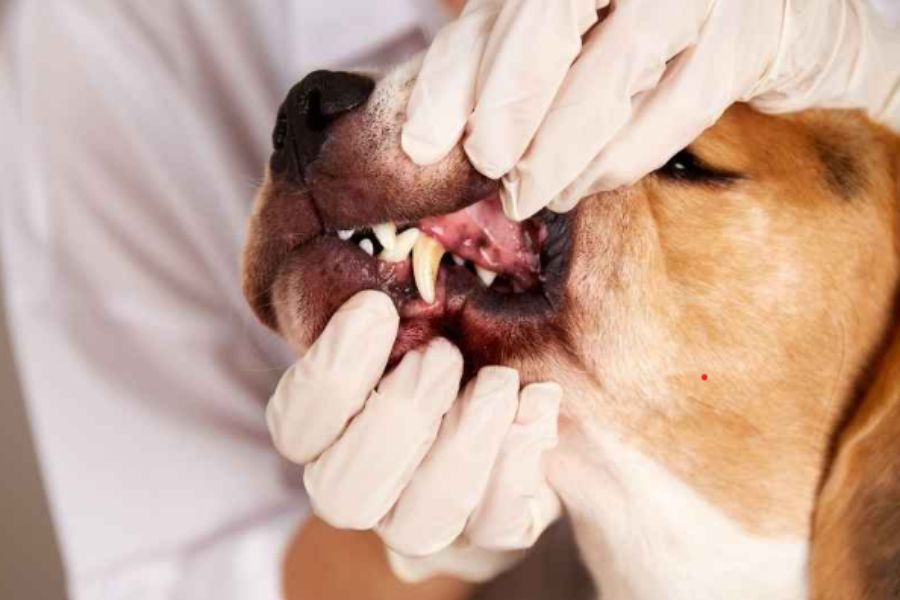
Visible signs deserve attention. A cracked or missing tooth, red gums, facial swelling, blood around the mouth, discharge, or difficulty opening the jaw can indicate an injury or infection. A pet that cannot eat, drink, or settle because of mouth pain needs prompt evaluation.
When a Broken Tooth Needs Attention
A broken tooth can expose sensitive inner tissue. Pets may continue acting normally while discomfort develops. A fracture involving the deeper part of the tooth can allow bacteria to enter and cause infection.
Do not try to pull, file, or glue a damaged tooth at home. Give your pet soft food if eating remains comfortable, prevent chewing on hard toys, and arrange an examination. Severe pain, facial swelling, bleeding that does not stop, or inability to eat calls for urgent care.
What to Do Before Professional Care
Your goal should be safety and comfort. Approach a painful pet calmly. Even gentle animals may bite when their mouth hurts. Keep children away from the pet’s face and avoid forcing the mouth open.
If there is mild bleeding, hold clean gauze against the area with gentle pressure when your pet allows it. Do not use human pain relievers unless a veterinarian specifically tells you to. Many common medicines can be dangerous for dogs and cats.
If your pet has suffered an oral injury, contact a clinic for instructions. When regular appointments are unavailable, urgent care for pets can provide timely assessment for problems that should not wait.
Signs That Need Same-Day Attention
Some symptoms should not be watched at home. Seek prompt help when your pet has:
- Heavy or persistent mouth bleeding
- Facial or jaw swelling
- A tooth broken near the gumline
- Pus or foul-smelling discharge
- Severe pain or repeated pawing at the mouth
- Trouble swallowing or breathing
- Inability to eat or drink
- A suspected jaw injury
These signs can point to deeper tissue damage, infection, or another condition requiring treatment. A pet with breathing difficulty needs immediate professional attention.
What Happens During a Dental Visit?
A professional will usually ask when the signs began, whether an injury occurred, and how eating or drinking has changed. The mouth may be examined gently. Some pets need sedation for a complete assessment because painful areas can be difficult to inspect safely while awake.
Dental X-rays may be recommended when a tooth fracture, infection, or hidden damage is suspected. Treatment depends on the problem. Options can include pain relief, cleaning, medication, tooth repair, or removal of a severely damaged tooth.
Clear communication matters. Ask what was found, which treatment is recommended, what recovery should look like, and which signs require another visit.
Preventing Future Dental Problems
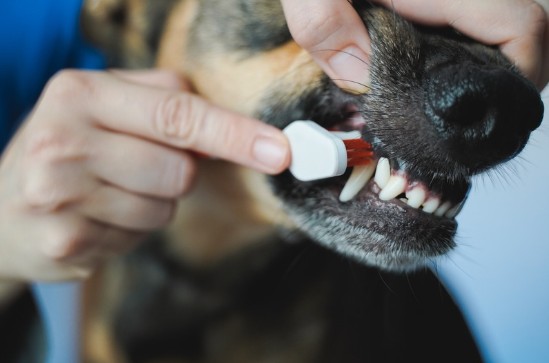
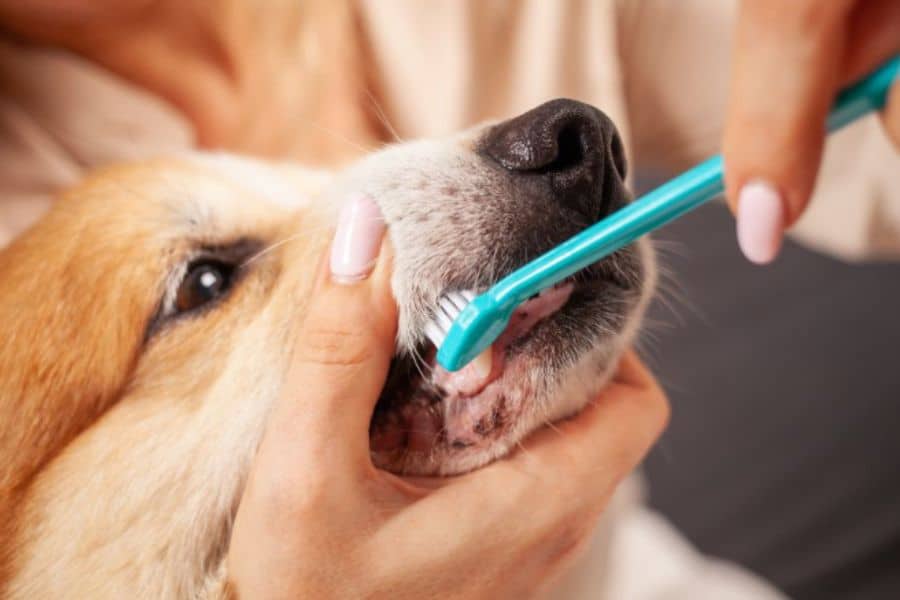
Daily dental care can reduce plaque buildup and support healthier gums. Use pet-safe toothpaste and a toothbrush designed for animals. Never use human toothpaste because some ingredients can be harmful when swallowed.
Dental diets, approved chews, and professional cleanings may support oral health. Hard bones, antlers, and extremely rigid toys can fracture teeth, so choose safer chewing options.
Look inside your pet’s mouth regularly when they are comfortable. Notice changes in breath, gum color, chewing, or tooth appearance. Early attention can prevent a small problem from becoming a painful one.
Conclusion
Pet dental problems can develop quickly, and early action can make care simpler and more comfortable. Watch for changes in eating, drooling, breath, chewing, bleeding, swelling, and behavior. Avoid home remedies that could worsen an injury. Keep dental care consistent with brushing, safer chew choices, mouth checks, and recommended professional cleanings.
If you’re located in Haymarket, reach out to Dominion Valley Animal Hospital – where compassionate care and community come together for your pet’s well-being. When a sudden dental issue needs attention, call us at 703-753-4444 for guidance about urgent pet care.
Frequently Asked Questions
1. Can a broken dog tooth heal on its own?
A: A damaged tooth does not reliably heal like skin. Minor surface wear may need monitoring, while deeper fractures can expose sensitive tissue and become infected. A professional examination helps determine whether treatment is needed.
2. What are signs of dental pain in cats?
A: Cats may hide discomfort. Watch for drooling, bad breath, reduced appetite, dropping food, chewing changes, pawing at the mouth, hiding, or becoming unusually irritable. A sudden change in eating habits deserves attention.
3. Is bad breath normal for dogs and cats?
A: Persistent bad breath is not something to dismiss as normal. It can develop from plaque, gum disease, damaged teeth, or infection. Fresh breath alone does not confirm healthy teeth, so regular mouth checks remain important.
4. Can I give my pet human pain medicine?
A: Do not give human pain medicine without professional guidance. Products containing acetaminophen, ibuprofen, or other ingredients can cause serious poisoning in pets. Contact a clinic before giving any medication for mouth pain.
5. Should I brush my pet’s teeth every day?
A: Daily brushing is an excellent goal for many dogs and cats. Start slowly with pet-safe toothpaste, reward cooperation, and make sessions brief. If brushing is difficult, ask a professional about other home dental care options.