5371 Merchants View Square, Haymarket, VA 20169

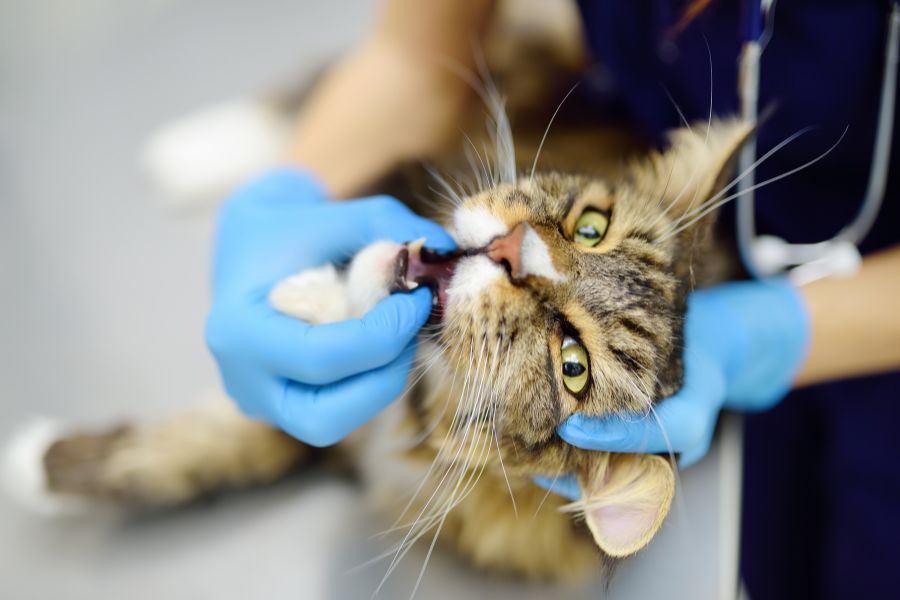
How many teeth do cats have, and why does the answer change as they grow? This guide explains kitten teeth, adult teeth, what each tooth does, and how healthy mouths support daily comfort. You will learn timelines, common problems, and simple ways to improve oral health at home.
The goal stays clear: help you understand your cat’s smile from the first baby tooth to the full adult set.
A quick look at feline teeth
Cats rely on teeth to catch food, tear meat, groom fur, and defend space. Each tooth has a role. Small front teeth nip. Long canines grip. Back teeth slice. Cats do not grind like people. They cut food into swallow-sized pieces. That design explains the sharp edges and narrow shapes you see during a yawn.
The two stages of a cat’s smile
Cats pass through two tooth stages. Kittens grow baby teeth. Adult cats replace them with permanent teeth. Each stage has a set count and a growth window.
Kitten teeth: tiny tools with big jobs
Kittens arrive without visible teeth. Baby teeth begin to show at around three weeks of age. By eight weeks, most kittens display a full milk set.
How many teeth do kittens have?
Kittens carry 26 baby teeth. The set includes incisors, canines, and premolars. They do not have molars yet. These small teeth help kittens learn to eat solid food, play with littermates, and explore textures.
When do baby teeth fall out?
Shedding starts around three months and often finishes by six months. You may spot tiny teeth on the floor or notice mild gum redness. Some kittens swallow loose teeth during meals. That behavior causes no harm.
Signs your kitten is teething
Teething brings chewing, pawing at the mouth, and short bursts of fussiness. Offer safe chew toys. Keep cords and hard items out of reach. Check gums once a week. Pink color and light swelling fit normal teething.
Adult cat teeth: built for a carnivore
Adult teeth replace baby teeth with stronger roots and sharper edges. This set supports hunting instincts, even in indoor cats who hunt toys.
How many teeth do adult cats have?
Adult cats have 30 permanent teeth. The lineup includes 12 incisors, 4 canines, 10 premolars, and 4 molars. Those back molars work like scissors with the premolars to slice meat. This count answers the common question many owners ask in the middle of care routines: how many teeth do cats have once they finish growing?
What each tooth type does
Incisors scrape meat from bones and groom fur. Canines hold prey and protect the mouth during play. Premolars and molars shear food. Cats lack flat grinding teeth, so they swallow small pieces after slicing.
Why tooth count matters for daily comfort
Missing or painful teeth change eating habits, mood, and grooming. Cats hide discomfort well. Watch for slow eating, dropping food, pawing at the face, bad breath, and weight shifts. Early action prevents deeper issues.
Simple habits that protect cat smiles
Daily brushing works best. Many cats accept weekly care. Use pet-safe paste. Offer simple textured treats that encourage chewing. Schedule an appointment with Dominion Valley Animal Hospital. Ask your clinic about safe cleaning plans. Consistent dental care supports fresh breath and strong gums across every life stage.
One visit to Dominion Valley Animal Hospital helped many families learn home checks and feeding tips that fit their schedules.
Common mouth concerns to know
Plaque hardens into tartar. Gums redden and swell. Teeth loosen. Resorptive lesions can form below the gumline. These problems start small. Regular looks catch change early. Lift the lip once a week. Note color, odor, and comfort.
Age changes the mouth
Senior cats face slower healing and a higher risk of tooth loss. Gentle checks matter more with age. Soft foods help if chewing hurts. Your cat still needs firm textures when possible to keep the jaws active.
A clear takeaway for every cat parent
Cats move from 26 baby teeth to 30 adult teeth in just a few months. Each tooth supports eating, grooming, and play. Watch for change, keep checks simple, and build care into routines. When questions arise, book an appointment with your local clinic for guidance that fits your cat’s age and habits. Knowing how many teeth cats have helps you track growth, catch problems early, and protect comfort for years to come.
Frequently Asked Questions(FAQs):
1. Do all kittens lose every baby tooth?
A: Yes. Kittens replace 26 baby teeth with adult teeth. Some owners never see loose teeth because kittens swallow them. Mild gum redness fits teething. Contact a clinic if swelling looks severe or if a baby tooth stays past six months.
2. Is it normal for cats to have bad breath?
A: Light odor after meals can happen. Strong, lasting odor points to plaque or gum trouble. Check the mouth. Look for redness or yellow buildup. Plan a professional exam if the smell persists for more than a few days.
3. Can cats live well with missing teeth?
A: Yes. Many cats adapt fast. They eat soft food and keep their weight steady. Most still play and groom with simple home support. Watch for chewing comfort and schedule checks to protect remaining teeth.
4. How often should I check my cat’s mouth?
A: Yes. Many cats adapt fast. They eat soft food and keep their weight steady. Most still play and groom with simple home support. Watch for chewing comfort and schedule checks to protect remaining teeth.
5. Do toys really help oral health?
A: They can. Chewy toys stimulate gums and reduce boredom. Choose safe sizes and sturdy materials. Rotate toys to keep interest. Toys never replace brushing or exams, though they support daily habits.
6. At what age do full adult teeth?
A: Most cats finish their adult teeth by six months. Some take a bit longer. By this age, the count reaches 30. Schedule a check to confirm healthy alignment and clean surfaces.