5371 Merchants View Square, Haymarket, VA 20169

Bringing a cat into your home can feel exciting, yet allergies often create hesitation. Many people search for solutions that allow them to enjoy companionship without discomfort. This guide explains what hypoallergenic cat breeds really are, how allergies work, and what you should consider before adopting.
It also covers lifestyle adjustments, grooming expectations, and local factors that may influence your experience as a pet owner. If you live in or around Haymarket, this information can help you make a confident and informed decision.
Understanding Cat Allergies
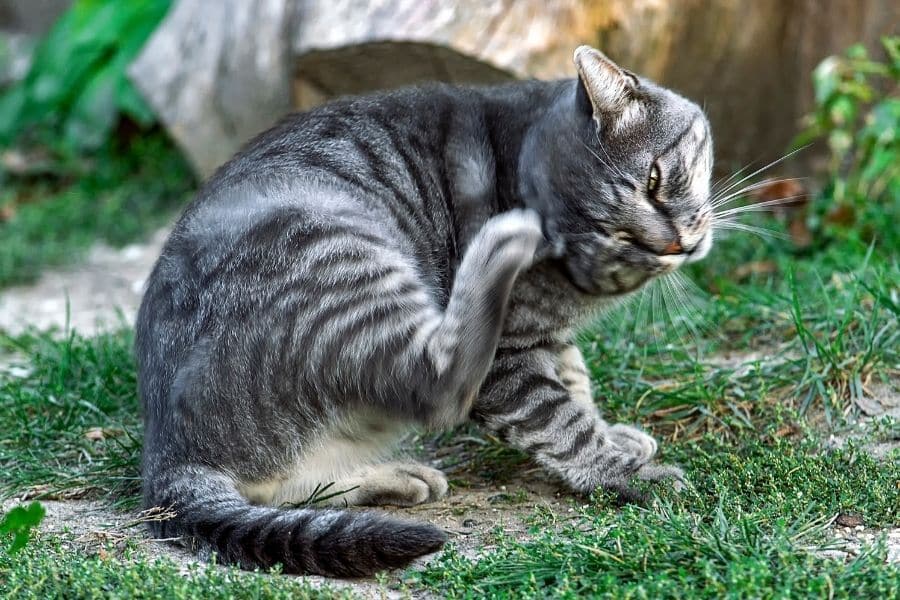
Cat allergies are usually triggered by a protein called Fel d 1, which is found in a cat’s saliva, skin, and dander. When cats groom themselves, this protein spreads onto their fur and into the environment.
Common Symptoms
- Sneezing and nasal congestion
- Itchy or watery eyes
- Skin irritation or rashes
- Shortness of breath in sensitive individuals
These symptoms can vary in intensity depending on the person and the environment. Even homes with good ventilation can still hold allergens in carpets, furniture, and bedding.
What Does “Hypoallergenic” Really Mean?
The term “hypoallergenic” does not mean allergy-free. It refers to cat breeds that are less likely to trigger reactions. These cats typically produce lower levels of the Fel d 1 protein or shed less fur, which helps reduce allergen spread.
Some people assume these breeds are completely safe for severe allergies. That is not always accurate. Personal sensitivity still plays a major role.
Popular Hypoallergenic Cat Breeds
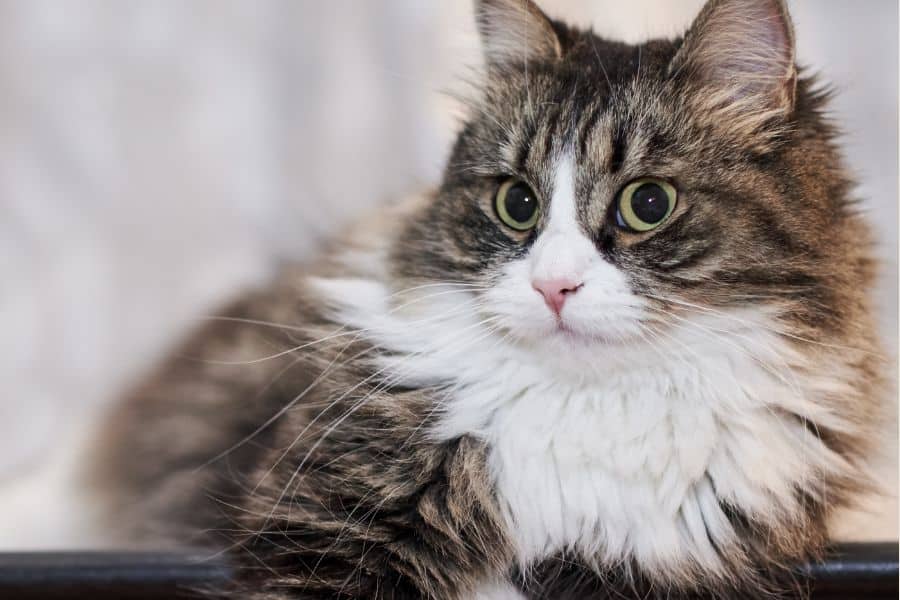
1. Siberian
The Siberian cat is known for producing lower levels of allergens compared to many other breeds. Despite its thick coat, it may be suitable for mild allergy sufferers.
2. Balinese
Often called the “long-haired Siamese,” the Balinese produces less Fel d 1 protein. Its elegant appearance and social personality make it a popular choice.
3. Bengal
Bengals have short, fine coats that require less grooming. Less grooming can mean fewer allergens released into the environment.
4. Devon Rex
This breed has a soft, curly coat that sheds minimally. Their unique appearance and playful behavior appeal to many families.
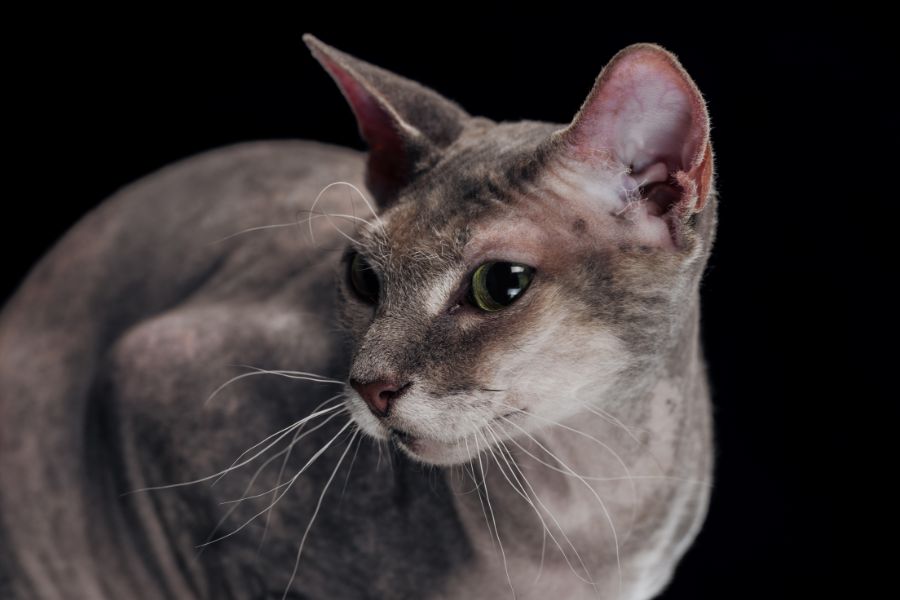
5. Sphynx
The Sphynx is hairless, which reduces shedding. Regular skin care is necessary because oils can build up on the skin.
Are These Cats Right for Everyone?
Choosing hypoallergenic cats involves more than just breed selection. Lifestyle, home environment, and personal tolerance all matter. People looking for cats for people with allergies should spend time with a specific breed before making a decision.
Key Considerations
- Time available for grooming and cleaning
- Home size and ventilation
- Presence of carpets and fabric furniture
- Personal allergy severity
A trial interaction can help you understand how your body responds.
Managing Allergies at Home
Even with a hypoallergenic breed, reducing allergens in your home remains important. Consistent cleaning and small changes can improve comfort.
Practical Tips
- Use HEPA air purifiers in main living areas
- Wash bedding and cat accessories frequently
- Vacuum carpets and upholstery regularly
- Create pet-free zones, especially in bedrooms
These habits help maintain a healthier indoor environment.
Grooming and Maintenance Expectations
Hypoallergenic cats still require grooming. Regular care reduces dander and keeps your cat comfortable.
Grooming Essentials
- Weekly brushing for most breeds
- Occasional baths for hairless or oily-coated cats
- Nail trimming and ear cleaning
- Maintaining a clean litter box
Proper grooming benefits both the pet and the owner by limiting allergen buildup.
Local Considerations for Pet Owners
Living in areas like Haymarket and nearby Gainesville can influence your pet care routine. Seasonal pollen levels may combine with pet allergens, making symptoms feel stronger at certain times of the year.
Homes with central air systems can help control indoor allergens. Many local pet owners also rely on routine check-ups to ensure their cats stay healthy and well-groomed.
If you’re located in Haymarket or a nearby area like Gainesville and looking for trusted veterinary care near you, then schedule an appointment with Dominion Valley Animal Hospital. You can also explore their full range of services by visiting the homepage to better understand how they support pet health at every stage.
Preparing for Adoption
Adopting a cat requires thoughtful planning. Hypoallergenic breeds may still need adjustment periods for both the cat and the owner.
Steps Before Bringing Your Cat Home
- Spend time with the breed to test reactions
- Prepare a clean and allergen-controlled space
- Purchase grooming and cleaning supplies
- Schedule an initial health check
Preparation helps reduce stress and ensures a smoother transition.
Long-Term Commitment
Owning a cat is a long-term responsibility. Allergy-friendly breeds still need attention, affection, and proper care. Their needs evolve with age, and regular monitoring helps maintain their well-being.
Consistency in cleaning, grooming, and health care plays a key role in managing allergies effectively. Over time, many owners find that their tolerance improves with proper habits
Conclusion
Choosing a hypoallergenic cat involves research, preparation, and realistic expectations. These breeds can make pet ownership more accessible for those with sensitivities, but they still require consistent care and attention.
Thoughtful planning helps create a comfortable home for both you and your pet. Many families find success by combining the right breed with proper cleaning habits and regular health care. For those exploring cats for people with allergies, this balanced approach offers the best chance of a positive experience.
We are conveniently located in Haymarket, VA. Reach out to our facility at 5371 Merchants View Square, Haymarket, VA 20169—where compassionate care and community come together for your pet’s well-being.
Frequently Asked Questions(FAQs):
1. What makes a cat hypoallergenic?
A: Hypoallergenic cats produce fewer allergens or shed less fur. This reduces the spread of allergy-triggering proteins in the environment. They are not completely allergy-free, but may be easier to live with for sensitive individuals.
2. Can I completely avoid allergies with these breeds?
A: No breed guarantees zero allergic reaction. Sensitivity varies from person to person. Spending time with the cat before adoption helps determine if your symptoms are manageable in daily life.
3. Are hairless cats better for allergies?
A: Hairless cats like the Sphynx shed less fur, which can reduce allergens. Skin oils still carry allergens, so regular bathing and cleaning are necessary to maintain a comfortable environment.
4. How can I reduce allergens at home?
A: Frequent cleaning, air purifiers, and limiting access to certain areas can help. Washing fabrics and maintaining good ventilation also play a role in keeping allergen levels lower indoors.
5. Do hypoallergenic cats need special grooming?
A: They still need regular grooming. Brushing, bathing, and cleaning reduce dander and improve coat or skin health. Grooming also helps minimize allergens in your living space over time.
6. Is adopting better than buying from breeders?
A: Adoption offers a chance to give a cat a home while allowing you to observe behavior and compatibility. Some shelters may also have hypoallergenic breeds or mixes suitable for allergy-sensitive individuals.