5371 Merchants View Square, Haymarket, VA 20169

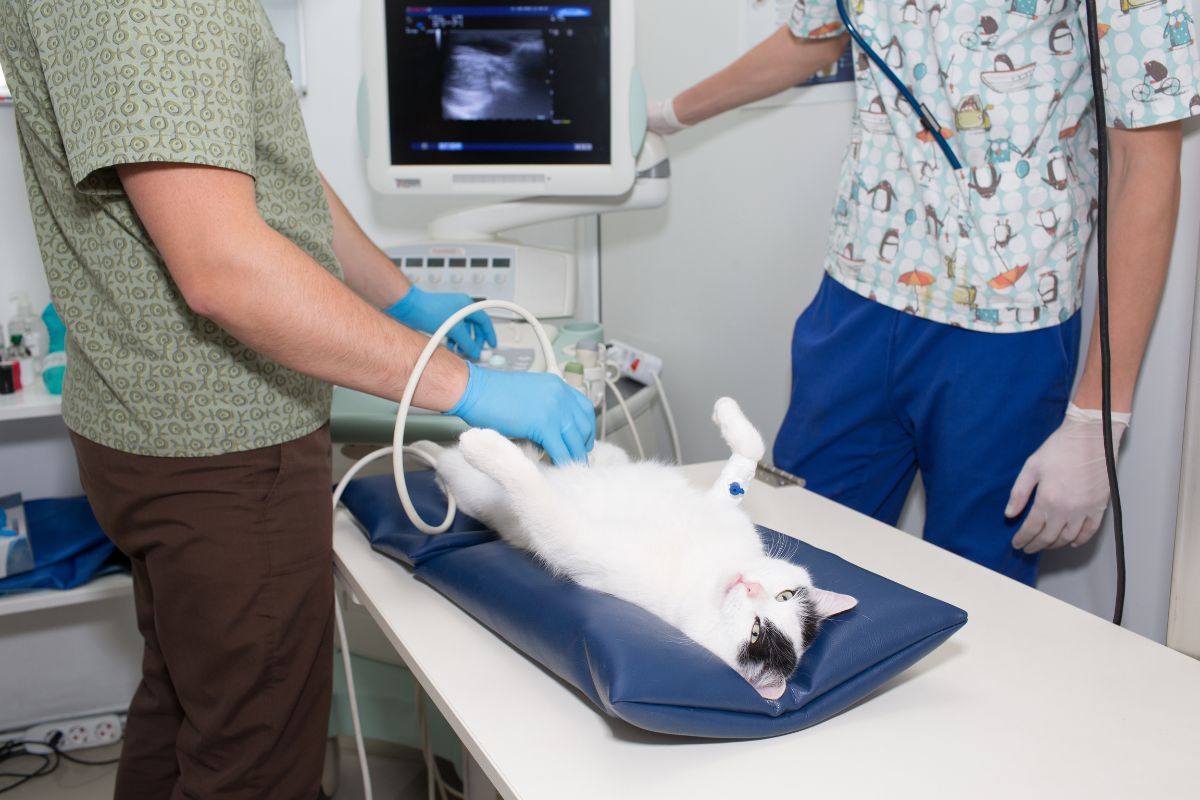
Our feline friends are masters of disguise, often hiding signs of illness until a condition is quite advanced. This can make detecting internal parasites like hookworms particularly challenging. Hookworms are tiny, blood-sucking intestinal worms that, despite their small size, can pose a significant health threat to cats, especially kittens.
Understanding the sneaky ways these parasites can affect your cat and knowing what signs to look for is crucial for early detection and a swift recovery.
Understanding the Threat: How Cats Contract Hookworms
Before diving into symptoms, let’s understand how these microscopic invaders get into your cat’s system. Knowing the common transmission routes can help you assess your cat’s risk:
- Oral Ingestion: This is the most frequent way. Cats can ingest hookworm larvae directly by grooming contaminated paws, licking contaminated soil (even if they’re indoor-only cats, larvae can be tracked in on shoes), or by eating infected prey (like rodents or roaches) that carry the larvae.
- Skin Penetration: Hookworm larvae can penetrate a cat’s skin, usually through the paw pads or belly, when the cat walks or lies on contaminated soil or litter. Once inside, they migrate through the body, eventually reaching the intestines to mature.
- From Mother to Kitten: This is a major route for severe kitten infections. Infected mother cats can pass hookworm larvae to their kittens through their milk during nursing. While less common, transplacental transmission (in the womb) can also occur.
The Subtle and Serious Signs: What to Observe in Your Cat
The symptoms of hookworm infection can vary widely depending on the number of worms, the cat’s age, and its overall health. Kittens are highly vulnerable, as their small blood volume makes them prone to severe, life-threatening anemia from blood loss.
Here are the key signs to watch for in your feline companion:
- Anemia (Blood Loss): This is the most dangerous symptom, particularly in young kittens. Hookworms feed on blood by attaching to the intestinal lining, and they also inject a substance that prevents blood clotting, causing continuous bleeding even after they detach.
- Signs: Look for pale gums (instead of a healthy pink), lethargy, weakness, and fatigue. Affected kittens may seem listless, less playful, and reluctant to move. In severe cases, they might collapse or have difficulty breathing.
- Diarrhea: Hookworms cause significant inflammation and irritation in the intestinal lining.
- Signs: Diarrhea is common and can range from soft stools to watery, dark, or even bloody stools. Dark, tarry stools (melena) specifically indicate digested blood from bleeding higher in the digestive tract.
- Weight Loss and Poor Growth: Despite eating normally, an infected cat or kitten may struggle to gain weight or may even lose weight. This is due to nutrient malabsorption and chronic blood loss. Kittens may appear stunted, underdeveloped, or fail to thrive compared to their littermates.
- Dull, Dry, or Poor Coat Quality: A healthy, shiny coat is often a sign of good overall health. A lackluster, dry, or brittle coat can indicate chronic illness or nutritional deficiencies due to parasites.
- Vomiting: While diarrhea is more common, some cats with hookworms may experience occasional vomiting due to intestinal irritation.
- Skin Irritation (Ground Itch): If larvae penetrate the skin, especially on the paw pads or belly, they can cause itchy, red lesions or a rash. You might notice your cat excessively licking or biting at their paws or abdomen.
- Pot-Bellied Appearance: While more commonly associated with roundworms, a distended or “pot-bellied” abdomen in kittens can be a general sign of a heavy parasitic burden.
Diagnosis and Treatment: Your Vet is Key
If you observe any of these signs, especially in a kitten, contact your veterinarian immediately. Hookworms are diagnosed through a fecal flotation test, where a small stool sample is examined under a microscope for the presence of hookworm eggs. Sometimes, a series of fecal tests may be needed, as eggs are not continuously shed.
Treatment involves anthelmintic medications (dewormers), typically given orally. Multiple doses are usually required over a few weeks to effectively eliminate worms at different stages of their life cycle. In severe cases, especially with significant anemia, a kitten might need supportive care such as fluid therapy or even a blood transfusion to stabilize their condition.
Prevention: Your Cat’s Best Defense
The most effective way to keep your cat safe from hookworms is through consistent prevention:
- Year-Round Parasite Control: Discuss a broad-spectrum parasite preventive with your veterinarian. Many products available today protect against fleas, ticks, heartworms, and common intestinal parasites like hookworms.
- Litter Box Hygiene: Clean litter boxes frequently. Daily scooping removes eggs before they can hatch and become infective. Disinfect the litter box regularly.
- Environmental Control: Be mindful of tracking soil into your home. If you have outdoor areas your cat uses, keep them clean.
- Regular Vet Check-ups: Routine veterinary visits, including annual (or more frequent for kittens) fecal exams, are crucial for early detection and prevention, even if your cat shows no symptoms.
Being vigilant about your cat’s health and seeking prompt veterinary care at the first sign of trouble can ensure your feline companion remains healthy, happy, and free from the hidden threat of hookworms.