5371 Merchants View Square, Haymarket, VA 20169

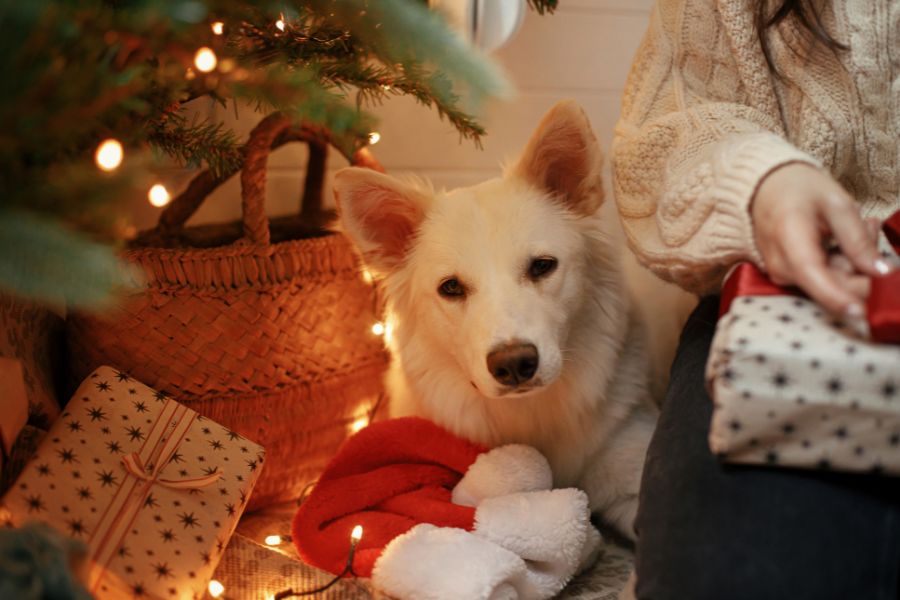
The Christmas season is often filled with joy, warmth, and beautifully decorated homes. However, while festive décor is being admired by people, hidden dangers may be created for pets. Many popular Christmas decorations can pose serious risks to cats and dogs if precautions are not taken. Therefore, awareness of these hazards is essential, and pet safety should always be kept in mind while decorating for the holidays.
Below, common Christmas decorations that can harm pets are discussed, along with safer alternatives. By understanding these risks, a safer and more enjoyable holiday season can be ensured for every member of the household.
Christmas Trees and Their Hidden Dangers
Christmas trees are often placed at the center of holiday décor. However, several risks are associated with them. Pine needles, whether real or artificial, can be swallowed by pets. As a result, gastrointestinal irritation or blockages may be caused.
In addition, tree water may contain preservatives or fertilizers that are toxic when ingested. Consequently, bowls of tree water should be covered or avoided entirely. Furthermore, ornaments placed low on the tree may be mistaken for toys, increasing the risk of choking. For improved pet safety, trees should be secured firmly, and fragile or edible ornaments should be kept out of reach.
Tinsel and Garland Risks
Shiny tinsel and garlands are especially attractive to cats. Unfortunately, when swallowed, these decorations can cause serious intestinal blockages. Surgery is often required in such cases.
Therefore, tinsel use is discouraged in pet-friendly homes. If garlands are used, they should be placed high and secured tightly. As an alternative, pet-safe fabric or paper decorations may be chosen to support better pet safety throughout the season.
Holiday Lights and Electrical Cords
Christmas lights are another common hazard. Chewing on electrical cords may result in burns, mouth injuries, or electric shock. Puppies and kittens are particularly vulnerable, as curiosity often leads to chewing behaviors.
To reduce risks, cords should be hidden behind furniture or protected with cord covers. Moreover, battery-operated lights may be used instead of traditional plug-in versions. As a result, pet safety can be enhanced without sacrificing festive charm.
Ornaments That Can Break or Be Swallowed
Glass ornaments and small decorative items can easily be knocked down by playful pets. When broken, sharp fragments may cause cuts to paws or mouths. Additionally, small ornaments may be swallowed, leading to choking or intestinal blockage.
Thus, shatterproof ornaments are recommended, especially on lower branches. Heavy or valuable decorations should be reserved for higher placements. Through careful selection, pet safety can be maintained while still enjoying a beautifully decorated tree.
Candles and Open Flames
Scented candles are commonly used to create a cozy holiday atmosphere. However, open flames present a serious fire hazard when pets are nearby. Wagging tails or curious noses can easily knock candles over.
For this reason, flameless LED candles are considered a safer option. They provide the same warm glow without the risk of burns or fires. Consequently, pet safety is supported while holiday ambiance is preserved.
Toxic Holiday Plants
Certain Christmas plants are known to be toxic to pets. Poinsettias, mistletoe, and holly are frequently used in holiday décor but can cause vomiting, drooling, or more severe symptoms if ingested.
To prevent exposure, these plants should be avoided or placed well out of reach. Artificial alternatives can be used instead, ensuring that festive greenery does not compromise pet safety in the home.
Artificial Snow and Decorative Sprays
Artificial snow sprays and decorative foams are often applied to windows, trees, and wreaths. Unfortunately, the chemicals used in these products may be harmful if licked or ingested by pets.
Therefore, decorations treated with chemical sprays should be avoided. Natural décor options or untreated artificial decorations are safer choices. In this way, pet safety concerns can be minimized during holiday decorating.
Ribbons, Bows, and Wrapping Accessories
Ribbons and bows may appear harmless, but they can be dangerous if chewed or swallowed. Linear objects like ribbons can cause intestinal injuries, which may require emergency treatment.
After gifts are wrapped, loose materials should be cleaned up promptly. Decorations made from sturdier, pet-safe materials are preferable. As a result, pet safety can be improved without limiting holiday creativity.
Creating a Pet-Safe Christmas Environment
Ultimately, a festive home can still be achieved while prioritizing pet safety. Decorations should be selected carefully, and pets should be supervised when new décor is introduced. In addition, safe spaces should be created where pets can relax away from holiday activity.
If any concerns arise during the holidays, contact us to receive timely guidance and appropriate care for your pet.
Frequently Asked Questions( FAQs):
1. Why are Christmas decorations dangerous for pets?
A: Many decorations are small, sharp, or toxic. When chewed or swallowed, injuries or poisoning may be caused, which is why pet safety awareness is essential.
2. Are artificial Christmas trees safer than real ones for pets?
A: Artificial trees eliminate risks related to pine needles and tree water. However, chewing on plastic branches can still be harmful, so supervision is recommended.
3. What holiday plants should be avoided in homes with pets?
a: Poinsettias, mistletoe, and holly should be avoided, as they can cause digestive upset or toxicity in pets.
4. How can electrical cord injuries be prevented?
A: Cords should be concealed or protected, and battery-operated decorations may be used to improve pet safety.
5: Can pets be trained to avoid Christmas decorations?
A: Yes, training and redirection can help. However, environmental management is still necessary to ensure consistent pet safety.