5371 Merchants View Square, Haymarket, VA 20169

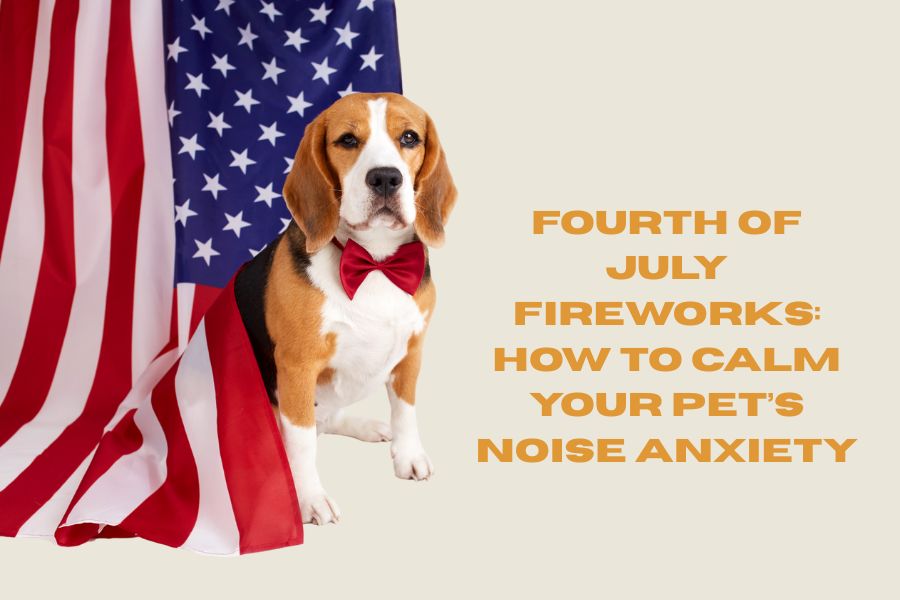
As the Fourth of July approaches, many Americans eagerly anticipate dazzling fireworks displays and festive celebrations. However, for countless pets, the loud booms, bangs, and hisses of fireworks trigger fear and panic. Fireworks phobia—or noise anxiety—is a serious condition that can affect both dogs and cats, leading to distress, destructive behavior, or even health risks if left unmanaged.
In this blog, we’ll take a deep dive into the causes and symptoms of noise anxiety in pets, explore practical calming techniques, and examine veterinary-prescribed options that can help your furry friend feel safe and secure during the holiday.
Understanding Fireworks Phobia in Pets
Fireworks phobia is a type of noise anxiety, a common behavioral condition in pets that is triggered by sudden, loud, or unfamiliar sounds. While thunder and vacuum cleaners can cause anxiety, fireworks are uniquely terrifying to pets due to their unpredictability and intensity.
Why Are Pets So Sensitive to Fireworks?
- Heightened Hearing: Dogs and cats have far more sensitive hearing than humans. A sound that seems loud to you may be overwhelming or even painful to your pet.
- Lack of Predictability: Fireworks don’t follow a pattern. Their erratic nature makes it difficult for pets to acclimate to their surroundings.
- Association With Danger: Loud noises may be perceived as threats, triggering the “fight or flight” response in animals.
Signs Your Pet Has Noise Anxiety
Recognizing the symptoms early can help you intervene before your pet’s anxiety worsens. Some common signs include:
- Pacing or restlessness
- Panting or drooling
- Hiding or trying to escape
- Barking, whining, or howling
- Destructive behavior
- Urinating or defecating indoors
- Trembling or shaking
Each pet may respond differently—some may freeze and hide, while others become hyperactive or even aggressive. Monitoring behavior changes in response to loud sounds is essential.
Calming Techniques to Ease Firework Fears
There are several home-based methods to help your pet cope with fireworks noise. These techniques are most effective when introduced before fireworks begin and used consistently.
1. Create a Safe Space
Designate a quiet, dark, and cozy room where your pet feels safe. Include their favorite bedding, toys, and water. Playing soft music or white noise can help drown out fireworks sounds.
2. Desensitization and Counter-Conditioning
Well before July 4th, try playing recorded fireworks sounds at low volumes while engaging your pet in positive activities like feeding or playtime. Gradually increase the volume over time to help them build tolerance.
3. Use of Calming Products
There are numerous over-the-counter products designed to reduce anxiety:
- Pheromone diffusers like Adaptil (for dogs) or Feliway (for cats)
- Pressure wraps, such as the ThunderShirt
- Calming treats with ingredients like L-theanine, melatonin, or CBD (vet-approved)
4. Stay Calm and Present
Pets often pick up on our emotional cues. If you’re anxious or upset, your pet may be too. Speak in a soothing tone, avoid punishment, and offer gentle touch if your pet seeks comfort.
Vet-Prescribed Solutions for Severe Cases
If your pet has a history of extreme distress during fireworks, a veterinarian can offer medical solutions to manage the anxiety more effectively.
1. Anti-Anxiety Medications
Medications like Sileo (dexmedetomidine) for dogs, Trazodone, or Alprazolam may be prescribed to reduce acute stress during fireworks. These are typically most effective when given before fireworks begin.
2. Behavioral Therapy
For pets with chronic anxiety, a veterinary behaviorist can develop a long-term behavioral modification plan. This might include both medications and training techniques.
3. Tailored Health Assessment
Some pets may have underlying conditions (such as heart issues or neurological disorders) that make them more prone to stress. A veterinary check-up can ensure that any treatment used is safe and appropriate.
Preparing in Advance: A Pet Safety Checklist for July 4th
- Microchip and ID tags updated in case your pet bolts
- A safe indoor space prepared ahead of time
- Exercise your pet early in the day to reduce restlessness
- Discuss medications or sedatives with your vet in advance
- Have calming aids or treats stocked
- Notify neighbors if you plan to set off personal fireworks (and ask them to do the same)
Fireworks can turn an exciting celebration into a terrifying ordeal for our pets. But with preparation, awareness, and the right calming strategies—whether home-based or vet-recommended—you can minimize your pet’s stress and ensure a peaceful, safe Independence Day for all. Noise anxiety isn’t something your pet can control, but it is something you can help manage. By planning ahead, keeping contact with a professional vet clinic, and supporting them through their fears, you’re actively protecting your pet’s emotional and physical well-being this July 4th.