5371 Merchants View Square, Haymarket, VA 20169

Understanding how cats grow can help owners support their pet’s development throughout each life stage. While every feline grows at its own pace, predictable milestones have been observed across breeds. However, many new owners still wonder, When do cats stop growing?
To answer this, a closer look at the typical growth timeline, influential factors, and common variations is required. Although growth slows gradually, it never follows a strict formula. Instead, steady physical and behavioral changes shape a cat’s journey from tiny kitten to full-grown adult.
Newborn to Two Months: The Rapid Infant Phase
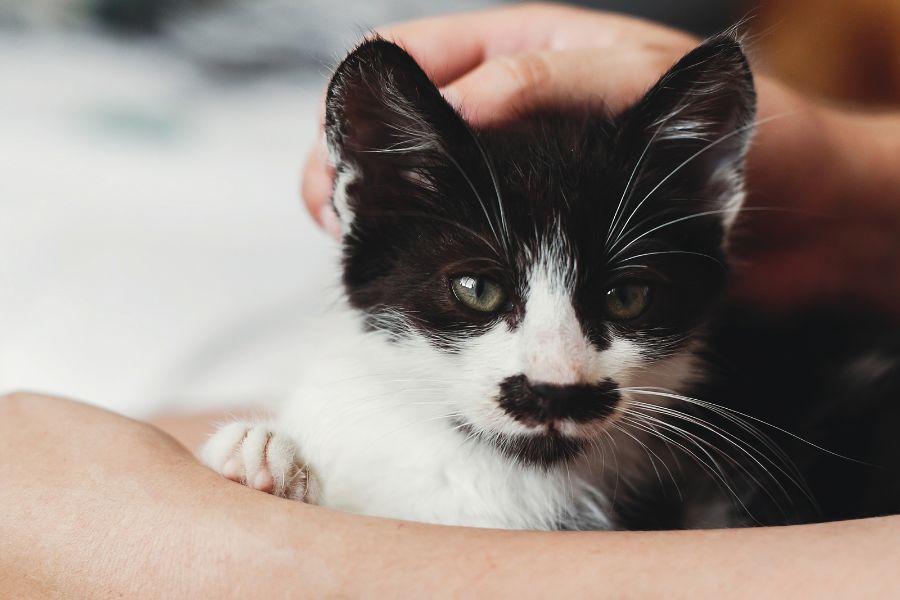
During the first eight weeks of life, the most dramatic growth takes place. Kittens are born blind, deaf, and completely dependent on their mother. In the first week, their weight usually doubles, and their sense of hearing begins to develop shortly afterward. By week three, their eyes are open, though vision remains blurry. Throughout this period, development is swift, and essential survival skills are gradually learned.
By the time kittens reach the eight-week mark, great improvements in motor coordination have been observed. They begin exploring, climbing, and socializing with their littermates as instincts become more refined. Although the question of when cats stop growing is best answered later in life, the foundation for future physical size is established during these early weeks.
Two to Six Months: The Kitten Growth Surge
Between two and six months of age, a kitten’s body changes significantly. Rapid muscle development occurs, permanent teeth begin erupting, and play behaviors intensify. Their diet begins shifting fully to solid food, and nutritional needs increase. During this stage, energy requirements are high, and proper feeding is essential for healthy growth.
Although rapid height and length increases can be seen, weight gain may vary depending on genetics and overall health. This stage often brings the first wave of curiosity from owners who ask, When do cats stop growing? In most cases, growth is far from complete at this age. Still, the kitten phase lays much of the groundwork for eventual adult size, and supportive care remains crucial.
Six to Twelve Months: Transition to Adolescence
As kittens approach six months, their growth rate begins to slow. However, steady increases in muscle tone and body shape continue. The average cat reaches sexual maturity during this period, and some behavioral changes may emerge as hormones shift.
Even though body length may stabilize toward the end of the first year, many cats are still not at their full adult size. For this reason, the question ‘when do cats stop growing’ continues to be relevant. In general, most cats will reach a size that closely resembles their adult form by twelve months, though continued development should still be expected.
Furthermore, this is usually the age when veterinary guidance is recommended for dietary adjustments. A Haymarket veterinarian might suggest transitioning from kitten formulas to adult food once growth slows sufficiently.
Twelve to Eighteen Months: Young Adult Development
Between one year and eighteen months, subtle yet meaningful growth changes persist. Although the dramatic increases seen in kittenhood are no longer present, bone density continues to increase, and muscle mass fills out gradually. This transition has often been described as a refinement phase, in which cats appear leaner or more defined in shape.
During this stage, many owners assume growth is complete. Nevertheless, it is important to remember that the answer to when cats stop growing varies by breed and overall health. While some cats may reach their adult size closer to twelve months, others will continue developing well beyond that point. This period is also essential for behavioral maturity as confidence, routine, and independence become more pronounced.
Eighteen Months to Four Years: Reaching Full Adult Size
Most cats will fully mature between two and four years of age. Even though visible size changes may be minimal, internal development continues, including strengthened joints, improved coordination, and matured cognitive responses.
Large breeds, especially Maine Coons, Ragdolls, and Norwegian Forest Cats, often take much longer than average to complete their growth. These felines may not fully mature until they approach four years, making the question of when cats stop growing even more variable.
Although adult size is mostly determined by genetic factors, nutrition, early care, and medical conditions can also influence overall growth. Providing balanced meals, regular wellness checks, and adequate enrichment helps ensure proper development throughout these extended growth years.
What Influences How Big a Cat Will Get?
Although timelines provide general expectations, several factors influence a cat’s final size:
1. Breed
Some breeds are naturally small or medium-sized, while others are known for their large frames. Genetics plays the most significant role in determining adult size.
2. Nutrition
Proper nutrition supports healthy bones, muscles, and organ development. Inadequate diets may stunt growth, while high-quality meals allow a cat to reach its potential size.
3. Health Conditions
Chronic illness, intestinal parasites, and hormonal imbalances can impact growth. Regular veterinary care ensures early detection and treatment.
4. Early Life Environment
Stress, poor socialization, or improper weaning practices may interfere with normal development.
Because of these factors, answering when do cats stop growing requires consideration of each cat, its breed, and its health background.
Recognizing When Your Cat Has Reached Adult Size
Although growth plates in bones typically close between 12 and 18 months, a cat’s appearance may continue changing afterward. Common signs of maturity include:
- Stabilized weight
- More defined musculature
- Reduced bursts of kitten-like energy
- Consistent appetite
- Sleeker coat and fuller facial structure
These signs help indicate that your cat is approaching its adult size, though subtle changes may continue for several years.
Frequently Asked Questions(FAQs)
1. When do cats stop growing?
A: Most cats stop growing between 12 and 18 months, but some breeds continue maturing until age three or four.
2. Do male cats grow larger than females?
A: Typically, male cats are slightly larger, though the difference varies by breed and individual genetics.
3. Can diet affect how big my cat gets?
A: Yes. Balanced nutrition supports healthy development, while nutrient deficiencies may hinder growth.
4. Why do large-breed cats take longer to grow?
A: Large breeds have slower bone and muscle development, leading to a more extended growth timeline.
5. Is it normal for growth to slow suddenly?
A: Yes. Growth naturally slows after six months, though steady development continues gradually.