5371 Merchants View Square, Haymarket, VA 20169

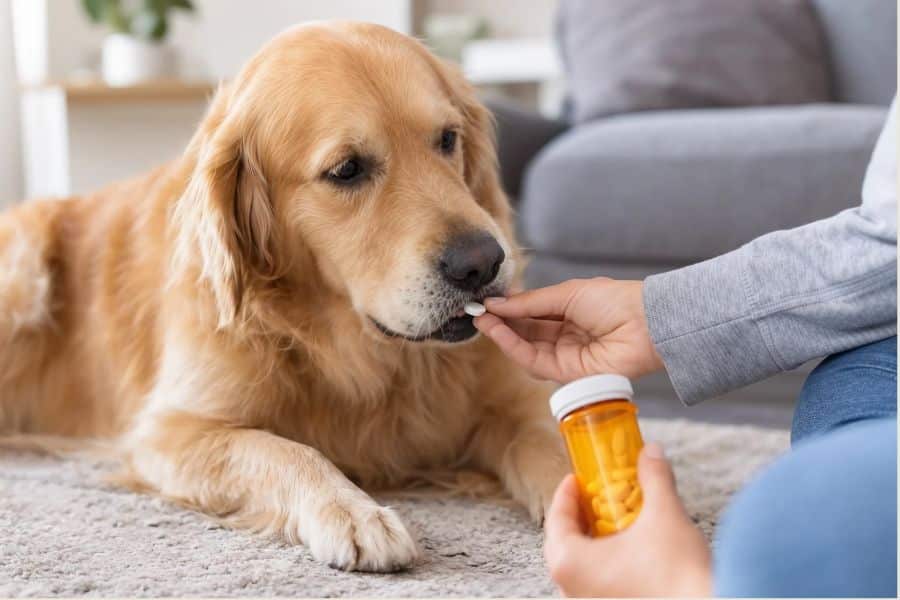
Apoquel relieves allergic itching, but every dose deserves attention. Its active ingredient, oclacitinib, changes immune signaling to reduce itch and inflammation. Side effects include vomiting, diarrhea, appetite changes, tiredness, and skin or ear infections. Excess dosing, an incorrect schedule, or certain health conditions can increase concern.
This guide explains common reactions, serious warnings, dosing, and when to call your veterinarian. Never adjust a tablet or repeat a missed dose without professional advice.
What Is Apoquel and Why Is It Prescribed?
Apoquel is a prescription medicine used to control itching linked to allergic dermatitis and signs of atopic dermatitis in dogs at least 12 months old. Oclacitinib blocks selected Janus kinase pathways involved in itch and inflammation. It can work quickly, but it also modifies immune activity.
It does not cure allergies or remove their triggers. A careful diagnosis matters because fleas, food reactions, environmental allergens, and infections can produce similar signs and require different management at home.
Apoquel Dosage for Dogs: Standard Schedule
The labeled dose is 0.4–0.6 mg of oclacitinib per kilogram of body weight (0.18–0.27 mg per pound). The usual schedule is twice daily for up to 14 days, followed by once-daily maintenance when prescribed. The veterinarian chooses the tablet strength and schedule according to weight and medical history.
Apoquel Dose Chart by Weight
| Dog’s weight | 3.6 mg tablet | 5.4 mg tablet | 16 mg tablet |
|---|---|---|---|
| 6.6–9.9 lb | ½ | — | — |
| 10–14.9 lb | — | ½ | — |
| 15–19.9 lb | 1 | — | — |
| 20–29.9 lb | — | 1 | — |
| 30–44.9 lb | — | — | ½ |
| 45–53.9 lb | ½ | — | ½ |
| 54–59.9 lb | — | ½ | ½ |
| 60–89.9 lb | — | — | 1 |
| 90–129.9 lb | — | — | 1½ |
| 130–175.9 lb | — | — | 2 |
This U.S. manufacturer chart shows the tablet amount per dose, not daily frequency. The initial twice-daily period and once-daily maintenance are not interchangeable. Do not quarter tablets; accurate dosing cannot be assured. Dogs below 6.6 lb are not covered. Confirm product, strength, and weight range with the prescribing clinic.
Common Apoquel Side Effects in Dogs
The most frequently reported reactions include vomiting, diarrhea, reduced appetite, and lethargy. Some dogs develop new or recurring skin infections, ear infections, or small skin bumps. These signs can be mild, but persistent vomiting, repeated diarrhea, poor appetite, or unusual tiredness should be reported. A dog may also continue scratching if the underlying allergy is not controlled.
Can a Higher Dose Increase Side-Effect Risk?
Dose matters, but each small increase does not cause a predictable rise in side effects. Apoquel has a defined weight-based range. Excess dosing, the wrong tablet strength, or too-frequent administration can raise exposure. Risk also depends on age, infection status, other medicines, and health. Never increase the dose because itching returns.
Serious Risks and Warning Signs
Apoquel affects immune function and may increase susceptibility to infections, including demodectic mange, or worsen certain existing cancers. New lumps, non-healing sores, fever, worsening skin lesions, persistent cough, or recurring infections need prompt assessment. Cancer-related reports exist; they do not prove Apoquel causes cancer in every dog. Discuss individual risk rather than relying on online anecdotes.
Seek urgent care for facial swelling, breathing difficulty, collapse, severe weakness, or repeated vomiting with inability to keep water down. These may signal an emergency. Contact the clinic promptly after an extra dose. Do not induce vomiting unless instructed.
Which Dogs Need Extra Caution?
Apoquel is not for dogs younger than 12 months or dogs with serious infections. Tell the clinic about cancer, recurring infections, demodicosis, ongoing illness, pregnancy, breeding plans, and all medicines or supplements. Long-term treatment needs periodic review. An examination or tests may be recommended based on history and symptoms.
What to Do if You Notice Side Effects
Record the dose, time, symptoms, appetite, bowel changes, and new skin or ear problems. Photograph visible changes and keep the packaging. Do not stop, restart, split, or change the schedule independently. The clinic can decide whether examination, testing, dose adjustment, or another allergy plan is appropriate. In-house diagnostic lab services can support investigations.
FAQs About Apoquel Side Effects
1. What are the most common side effects of Apoquel in dogs?
A: Vomiting, diarrhea, reduced appetite, and tiredness are commonly reported. Skin or ear infections and skin lumps may also occur. Contact your clinic if signs persist, worsen, or appear soon after treatment begins.
2. Does a higher Apoquel dose cause more side effects?
A: An excessive dose or too-frequent administration can increase concern, but side effects do not rise in a simple, predictable way. Follow the prescribed weight-based dose and seek advice after any dosing error.
3. Can dogs take Apoquel every day long term?
A: Some dogs receive once-daily maintenance treatment after the initial course. Continued use requires periodic benefit-risk review, attention to infections or new lumps, and a schedule set by the prescribing veterinarian.
4. Should I stop Apoquel if my dog vomits?
A: Do not make the next-dose decision from an online chart. Contact the prescribing clinic, describe when vomiting occurred and how often it happened, and seek urgent help if your dog is weak or cannot keep water down.
5. Can Apoquel cause cancer in dogs?
A: Apoquel modulates immune activity, and certain cancers have been reported during studies and after approval. A report does not prove the medicine caused an individual cancer. Discuss prior tumors and monitoring with your veterinarian.
6. What happens if my dog gets an extra Apoquel tablet?
A: Call your veterinarian or an animal poison advice service promptly with your dog’s weight, tablet strength, amount, and time given. Do not induce vomiting or give another dose unless instructed by a professional.