5371 Merchants View Square, Haymarket, VA 20169

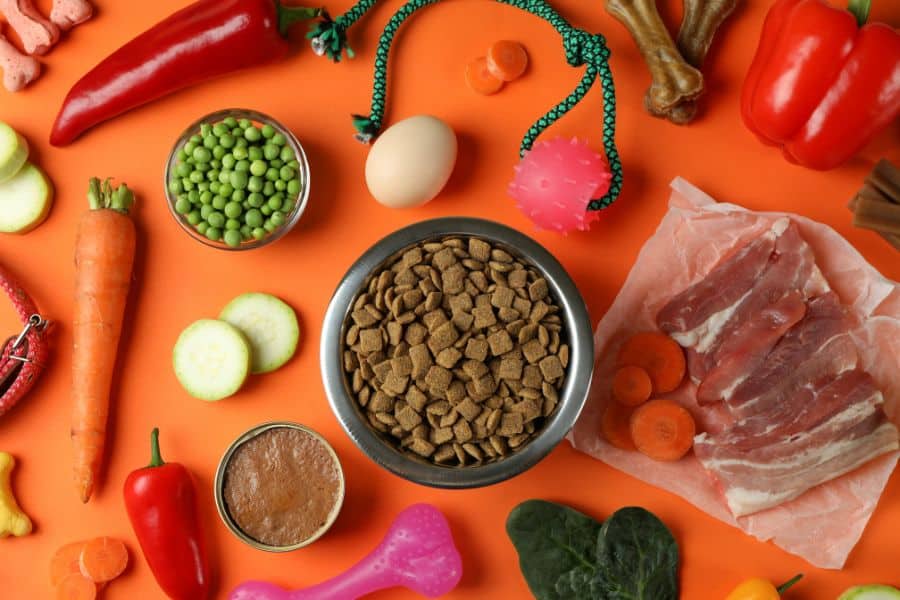
Digestive problems can make life uncomfortable for dogs. Frequent vomiting, diarrhea, gas, loose stools, itchy skin, or recurring ear infections sometimes point to something more than a simple upset stomach. In many cases, food sensitivities or allergies may be part of the problem.
One option that often comes up during dietary discussions is hydrolyzed protein dog food. You may have heard about it, but what exactly is it? How does it support digestive health? And is it the right choice for every dog?
This guide explains everything you need to know in simple terms. You’ll learn how hydrolyzed protein diets work, when they are commonly recommended, and what to expect if your dog starts eating one.
What Is Hydrolyzed Protein Dog Food?
Hydrolyzed protein dog food contains proteins that have been broken down into very small pieces through a process called hydrolysis.
Normally, a dog’s immune system recognizes whole protein molecules from foods like chicken, beef, dairy, or fish. If a dog has a food allergy, the immune system reacts to those proteins and causes symptoms.
Hydrolysis changes the protein structure. The proteins become so small that the immune system is much less likely to recognize them as a threat.
This allows many dogs with food allergies or food sensitivities to eat the diet without triggering an immune response.
How the Hydrolysis Process Works
The manufacturing process uses enzymes or controlled water treatment to split proteins into tiny fragments called peptides.
Think of it like breaking a large puzzle into tiny pieces. The immune system often cannot identify the original protein once it has been broken apart.
While the food still provides essential amino acids, it reduces the chance of an allergic reaction.
Why Digestive Health Matters
A healthy digestive system does more than digest food. It helps your dog:
- Absorb nutrients
- Maintain a healthy weight
- Support immune function
- Produce firm stools
- Maintain healthy skin and coat
- Stay energetic
When digestion is not working well, dogs may develop ongoing stomach problems that affect their quality of life.
Signs Your Dog May Have Food-Related Digestive Problems
Some digestive issues happen once after eating spoiled food. Others continue for weeks or months.
Common signs include:
- Frequent diarrhea
- Vomiting after meals
- Chronic loose stools
- Excessive gas
- Poor appetite
- Weight loss
- Frequent licking of paws
- Itchy skin
- Recurring ear infections
- Constant scratching
These symptoms do not automatically mean your dog needs hydrolyzed protein food. Several medical conditions can cause similar signs.
Food Allergy vs Food Intolerance
Many people confuse these two conditions.
1. Food Allergy
A food allergy involves the immune system. Even a small amount of the trigger protein may cause symptoms.
Signs often include:
- Itchy skin
- Ear infections
- Digestive upset
- Skin redness
- Chronic scratching
2. Food Intolerance
Food intolerance does not involve the immune system.
Instead, dogs have difficulty digesting certain ingredients.
Symptoms usually include:
- Gas
- Vomiting
- Diarrhea
- Stomach discomfort
Hydrolyzed protein diets are commonly used during food allergy investigations, although they may also help some dogs with sensitive digestion.
How Hydrolyzed Protein Dog Food Supports Digestive Health
Several factors make these diets useful for dogs experiencing chronic digestive concerns.
1. Reduced Immune System Reactions
Since the proteins are already broken down, the immune system is less likely to react.
This helps reduce inflammation inside the digestive tract.
2. Easier Protein Digestion
Smaller protein fragments are generally easier for the digestive system to process.
This may reduce digestive discomfort in some dogs.
3. Improved Nutrient Absorption
When inflammation decreases, the intestines can absorb nutrients more efficiently.
Better nutrient absorption supports:
- Healthy muscles
- Strong immune function
- Healthy skin
- Normal energy levels
4. Better Stool Quality
Many dogs experience firmer stools once digestive irritation improves.
Owners often notice fewer episodes of diarrhea after the transition period.
When Is Hydrolyzed Protein Dog Food Commonly Recommended?
Hydrolyzed protein diets are usually considered when ongoing digestive problems cannot be explained by common causes.
Healthcare teams may recommend them for:
- Suspected food allergies
- Chronic diarrhea
- Chronic vomiting
- Inflammatory bowel disease (IBD)
- Food elimination trials
- Sensitive stomachs
- Persistent itching linked to food
These diets are not intended as a general wellness food for every healthy dog.
What Is an Elimination Diet?
One of the most common reasons dogs eat hydrolyzed protein food is an elimination diet.
The goal is to determine whether food is causing the symptoms.
During the trial:
- Dogs eat only the prescribed hydrolyzed food.
- No treats, flavored medications, table scraps, or chews are allowed unless approved.
- The trial usually lasts several weeks.
- Symptoms are monitored closely.
If symptoms improve and return after the original food is reintroduced, food allergy becomes much more likely.
Transitioning to Hydrolyzed Protein Dog Food
Switching foods too quickly can upset even a healthy stomach.
A gradual transition usually works best.
A common schedule looks like this:
| Days | Old Food | New Food |
|---|---|---|
| 1–2 | 75% | 25% |
| 3–4 | 50% | 50% |
| 5–6 | 25% | 75% |
| 7 | 0% | 100% |
Dogs with severe digestive disease may receive different feeding instructions based on their individual needs.
Common Ingredients Found in Hydrolyzed Diets
Hydrolyzed diets vary between manufacturers.
Some common protein sources include:
- Hydrolyzed chicken
- Hydrolyzed soy protein
- Hydrolyzed poultry protein
- Hydrolyzed salmon protein
Many formulas also contain:
- Omega-3 fatty acids
- Digestible carbohydrates
- Vitamins and minerals
- Fiber for digestive support
- Antioxidants
Every formula is different, so ingredient lists should always be reviewed carefully.
Can Healthy Dogs Eat Hydrolyzed Protein Food?
Yes, these diets are nutritionally complete.
However, healthy dogs without digestive or allergy concerns usually do not need them.
Standard complete and balanced diets are often appropriate for dogs with no history of food sensitivities.
Are There Any Limitations?
Hydrolyzed protein diets work well for many dogs, but they are not a cure for every digestive problem.
Digestive symptoms can also result from:
- Parasites
- Pancreatitis
- Hormonal disorders
- Intestinal infections
- Foreign objects
- Cancer
- Stress-related digestive upset
This is why proper medical evaluation matters before changing diets.
Supporting Digestive Health Beyond Diet
Food plays an important role, but overall digestive health depends on several daily habits.
These include:
1. Feed Consistent Meals
Sudden diet changes increase the chance of stomach upset.
Try to keep feeding times and portions consistent.
2. Avoid Table Scraps
Rich human foods may trigger digestive problems.
Stick with foods recommended for your dog’s condition.
3. Keep Fresh Water Available
Good hydration supports normal digestion and overall health.
4. Maintain Routine Checkups
Regular pet wellness exams help identify digestive problems before they become more serious.
5. Watch Treat Choices
Some treats contain proteins that interfere with food allergy testing.
Always check ingredients carefully if your dog is on an elimination diet.
Choosing the Right Diet
Not every sensitive stomach requires hydrolyzed protein food.
Other diets sometimes used for digestive support include:
- Limited ingredient diets
- Novel protein diets
- Highly digestible diets
- High-fiber diets
Each serves a different purpose.
Dogs with confirmed food allergies often benefit from a carefully managed diet for allergies as part of a long-term nutrition plan.
The best choice depends on your dog’s medical history, symptoms, and nutritional needs.
When Should You Seek Professional Advice?
Schedule an evaluation if your dog has:
- Diarrhea lasting more than a few days
- Repeated vomiting
- Blood in the stool
- Weight loss
- Poor appetite
- Persistent itching with digestive problems
- Chronic ear infections alongside stomach issues
Early diagnosis often makes treatment simpler and helps prevent ongoing discomfort.
Conclusion
Hydrolyzed protein dog food offers a practical nutritional option for dogs dealing with food allergies, chronic digestive problems, or sensitive stomachs. By breaking proteins into very small pieces, these diets reduce the chance of immune system reactions while supporting better digestion and nutrient absorption.
They are not necessary for every dog, and they work best when used for the right reason. Since many digestive disorders share similar symptoms, identifying the underlying cause is the first step before changing your dog’s diet.
With careful guidance, consistent feeding, and regular health monitoring, many dogs experience meaningful improvements in digestive comfort and overall well-being.
Frequently Asked Questions(FAQs):
1. What is hydrolyzed protein dog food used for?
A: Hydrolyzed protein dog food is commonly used for dogs with suspected food allergies, chronic digestive issues, or sensitive stomachs. It is also widely used during elimination diet trials.
2. How long does it take for hydrolyzed protein dog food to work?
A: Many dogs begin showing improvement within several weeks. Elimination diet trials often continue for 8 to 12 weeks to properly evaluate results.
3. Can hydrolyzed protein dog food cure food allergies?
A: It does not cure food allergies. It helps manage symptoms by reducing exposure to proteins that trigger immune reactions.
4. Is hydrolyzed protein dog food safe for long-term feeding?
A: Yes. Most prescription hydrolyzed protein diets are formulated to provide complete and balanced nutrition for long-term use when recommended for an individual dog’s needs.
5. Can dogs eat treats while on a hydrolyzed protein diet?
A: During an elimination diet, dogs should only eat approved treats or foods that match the dietary plan. Even small amounts of other proteins can affect the accuracy of the trial.