5371 Merchants View Square, Haymarket, VA 20169

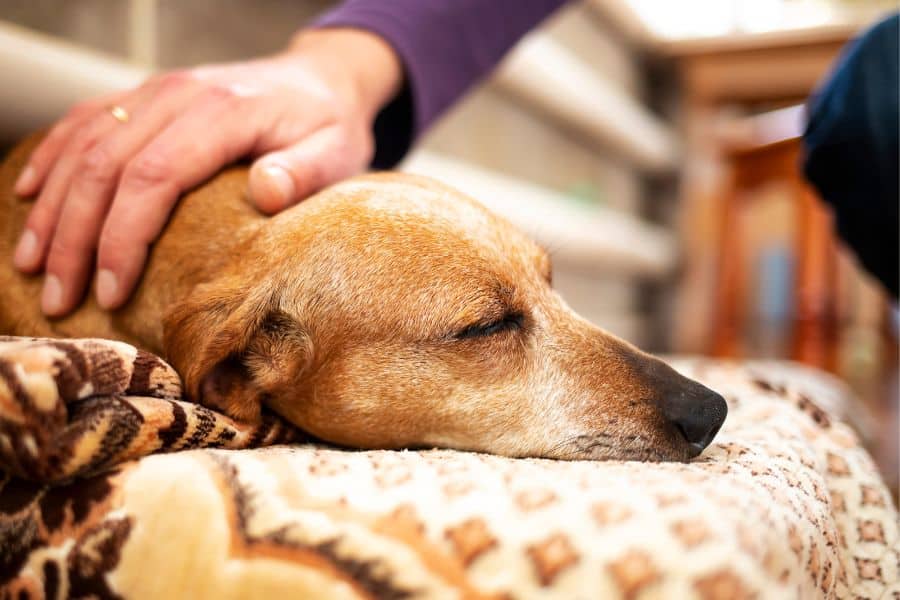
When a pet suddenly becomes sick or injured, many owners feel unsure about what will happen next. An urgent pet care visit is designed to provide prompt attention when your dog or cat needs medical help without waiting for a regular appointment. Understanding the process can make the experience less stressful and help you act with confidence.
From check-in and assessment to treatment and follow-up instructions, every step focuses on your pet’s comfort and recovery. This guide explains exactly what to expect during an urgent pet care visit, how the team evaluates your pet, and how treatment decisions are made. Pet owners in Haymarket can benefit from knowing these steps before a health concern arises.
Why a Pet May Need Urgent Care
Not every health issue requires immediate attention, yet some situations should not wait several days for an appointment. Common reasons for seeking urgent care include:
- Vomiting or diarrhea that continues for several hours
- Limping or sudden mobility problems
- Minor wounds or injuries
- Allergic reactions
- Ear infections cause discomfort
- Eye irritation or redness
- Loss of appetite
- Persistent coughing
- Unusual tiredness or weakness
Quick evaluation helps identify the cause of the problem and allows treatment to begin sooner.
Step 1: Arrival and Check-In
The first step is checking in at the clinic. Staff members gather important information about your pet’s condition, symptoms, and medical history.
You may be asked questions such as:
1. What Symptoms Have You Noticed?
Providing details about changes in behavior, appetite, activity level, or bathroom habits helps create a clearer picture of your pet’s condition.
2. When Did the Problem Start?
The timing of symptoms often helps determine the severity of the issue and guides the next steps.
Bringing a list of medications, previous diagnoses, and recent dietary changes can be helpful during this stage.
Step 2: Initial Assessment
After check-in, a team member performs a quick assessment of your pet.
This evaluation may include:
- Checking temperature
- Measuring heart rate
- Monitoring breathing
- Observing alertness and comfort level
- Reviewing visible injuries or symptoms
The goal is to identify pets that need immediate attention and prioritize care appropriately.
Step 3: Physical Examination
Once your pet is taken to an exam room, the doctor performs a full physical examination.
1. Head-to-Tail Evaluation
The examination often includes checking:
- Eyes and ears
- Mouth and teeth
- Skin and coat
- Limbs and joints
- Abdomen
- Heart and lungs
This assessment helps locate the source of discomfort and identify possible underlying conditions.
2. Discussion With Pet Owners
Clear communication is an important part of the visit. The doctor explains findings, answers questions, and discusses potential causes of your pet’s symptoms.
Step 4: Diagnostic Testing
Some conditions can be diagnosed through a physical exam alone. Others require additional testing.
Common diagnostic options include:
1. Blood Testing
Blood work can reveal infections, dehydration, organ concerns, and other internal issues.
2. Digital Imaging
X-rays may be recommended to evaluate bones, joints, or internal structures.
3. Laboratory Evaluation
Samples from the skin, ears, urine, or stool may help identify infections or other health concerns.
Testing recommendations depend on your pet’s symptoms and overall condition.
Step 5: Creating a Treatment Plan
After reviewing examination findings and test results, a treatment plan is developed.
Every pet receives care based on individual needs. Treatment options may include:
- Medications
- Fluid therapy
- Wound care
- Pain management
- Ear or eye treatments
- Nutritional recommendations
The team explains each recommendation in straightforward language, so owners understand the purpose of every treatment.
Many pet owners searching for urgent care for pets appreciate knowing exactly why a treatment is recommended and what outcomes to expect.
Step 6: Treatment and Monitoring
Treatment often begins during the same visit.
1. Immediate Care
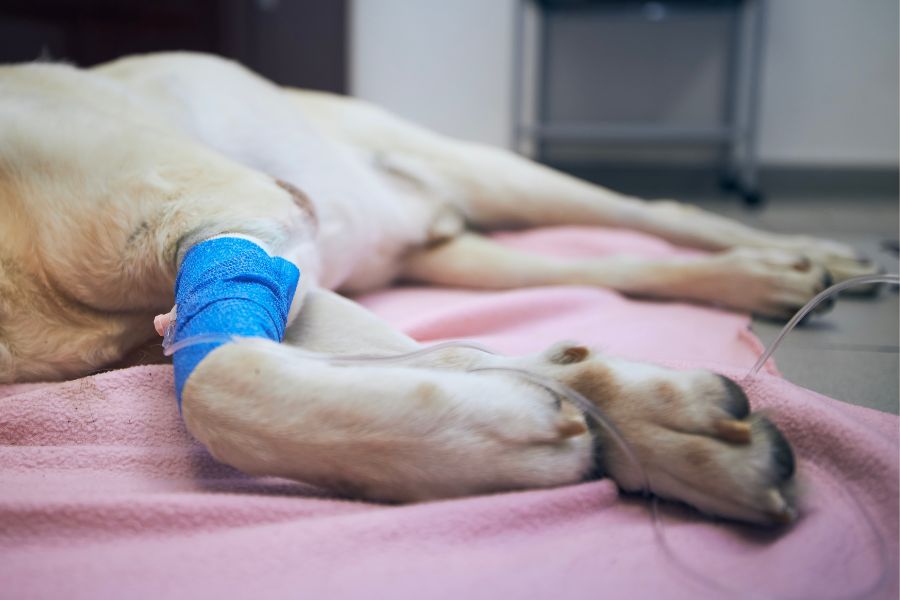
Depending on the condition, your pet may receive medications, bandaging, fluids, or other supportive care.
2. Observation
Some pets benefit from short-term monitoring before returning home. This allows the team to evaluate how they respond to treatment.
Comfort remains a priority throughout the visit, helping reduce stress and support recovery.
Step 7: Discharge Instructions
Before leaving, pet owners receive detailed instructions for at-home care.
These instructions may include:
- Medication schedules
- Feeding recommendations
- Activity restrictions
- Wound care guidance
- Signs to monitor at home
Written instructions help ensure treatment continues properly after the visit.
Step 8: Follow-Up Care
Some conditions improve quickly. Others require additional monitoring or future appointments.
Follow-up visits allow the team to:
- Check healing progress
- Adjust medications
- Review test results
- Monitor recovery
Keeping scheduled follow-up appointments supports better long-term outcomes for your pet.
How Pet Owners Can Prepare for an Urgent Visit
Preparation can help the visit move smoothly.
Consider bringing:
- Current medications
- Medical records, if available
- Photos or videos of symptoms
- Information about recent dietary changes
- A secure leash or carrier
Remaining calm also helps pets feel more comfortable during the visit.
Compassionate Care When Your Pet Needs Help
Unexpected health concerns can happen at any time. Understanding the urgent care process helps reduce uncertainty, allowing you to focus on supporting your pet. From the moment you arrive through diagnosis, treatment, and follow-up care, every step is designed to address your pet’s needs efficiently and compassionately.
If your pet requires prompt medical attention, call us at 703-753-4444 to schedule an urgent care visit. If you’re in the Haymarket area, Dominion Valley Animal Hospital is ready to provide compassionate support where exceptional pet care and a strong sense of community come together for your companion’s well-being. We are proud to serve pets and their families throughout Gainesville, Catharpin, Bristow, Leesburg, and surrounding communities with attentive, high-quality care when it matters most.
Frequently Asked Questions(FAQs):
1. How long does an urgent pet care visit usually take?
A: Most visits last between 30 minutes and two hours. The exact time depends on your pet’s condition, the need for diagnostic testing, and whether treatment or observation is required before your pet can return home.
2. Should I bring my pet’s medical records?
A: Yes. Previous medical records, medication lists, and vaccination information help the care team better understand your pet’s health history and make informed treatment decisions during the visit.
3. What symptoms should prompt an urgent care visit?
A: Persistent vomiting, diarrhea, limping, breathing difficulties, eye problems, allergic reactions, unusual weakness, and sudden behavioral changes are common reasons to seek prompt medical attention for pets.
4. Will my pet receive treatment during the same visit?
A: In many cases, treatment begins immediately after examination and testing. Medications, fluids, wound care, and pain management are often provided during the appointment when appropriate.
5. Can urgent care handle injuries?
A: Yes. Many urgent care facilities evaluate and treat minor injuries, wounds, mobility issues, and sudden illnesses that require timely attention but do not necessarily require advanced specialty services.
6. What happens after my pet goes home?
A: You will receive detailed care instructions, medication guidance, and information about warning signs to watch for. Some pets may also need follow-up visits to monitor recovery and progress.