5371 Merchants View Square, Haymarket, VA 20169

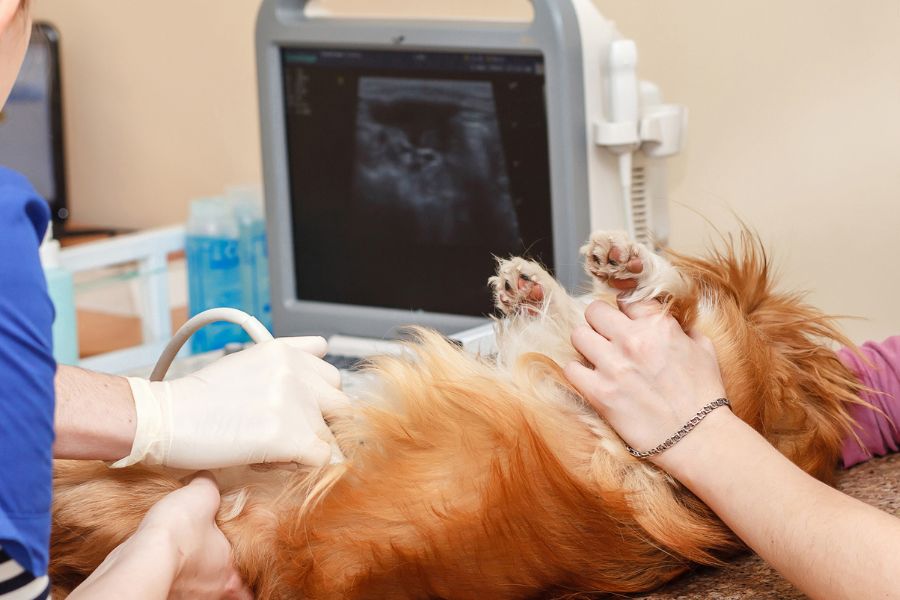
Advanced diagnostic testing helps veterinarians understand health concerns. During a pet’s appointment, these tests provide details. Many pet owners feel nervous when testing is recommended.
This guide explains what happens during testing, why procedures are suggested, and how results support treatment decisions for pets.
Why Advanced Diagnostic Testing Matters
Pets cannot explain pain or discomfort. Physical exams provide useful information, though some conditions remain hidden without further evaluation. Advanced testing gives your veterinarian a deeper understanding of symptoms.
Diagnostic tools help identify issues before they become severe. Early detection may improve recovery time and support wellness. These tests are often recommended for illness, chronic problems, injuries, weight changes, digestive concerns, and senior pet care.
Modern technology now delivers results. This approach supports safer treatment planning and personalized care.
Common Signs That May Require Testing
Your pet may need diagnostic testing if they show unusual symptoms.
1. Changes in Appetite or Weight
Weight loss, reduced appetite, or excessive hunger can indicate concerns. Blood tests and imaging may help identify the source of these changes.
2. Low Energy Levels
Pets that seem tired, weak, or less active than normal may require screening for infections, pain, or organ-related conditions.
3. Digestive Problems
Vomiting, diarrhea, bloating, or constipation require laboratory work and imaging studies to determine the cause.
4. Trouble Breathing or Moving
Breathing problems, limping, stiffness, or balance issues may lead to imaging scans that examine bones, joints, muscles, and structures.
What Happens During the Testing Process
Every visit begins with a physical examination and a discussion about your pet’s symptoms, medical history, habits, and recent changes. Your veterinarian may recommend one test or a combination of procedures based on the findings.
1. Blood and Laboratory Testing
Blood tests are common diagnostic tools used during pet appointments. These tests evaluate organ function, hydration, blood sugar, infection levels, and immune response.
Urine and stool samples may also be collected to check for parasites and urinary issues. Some clinics complete these tests onsite, while specialized screenings may be sent to outside laboratories.
2. Digital X-rays and Ultrasound
Imaging tests help veterinarians examine areas that cannot be seen during a physical exam. Digital X-rays are often used to evaluate broken bones, swallowed objects, lung conditions, and joint problems.
Ultrasound imaging creates pictures of organs and soft tissues. This procedure may help identify tumors, pregnancy, fluid buildup, or inflammation. Pets usually remain calm during these scans, though sedation may occasionally be recommended.
3. Imaging and Specialized Procedures
Some conditions require more detailed imaging. CT scans and MRI studies provide high-resolution views of structures. These procedures are commonly used for neurological concerns, severe trauma, and surgical planning.
Endoscopy may also be suggested in some cases. A small camera is inserted into the body to examine areas without major surgery. This method may help detect blockages, inflammation, and damage.
How Veterinarians Keep Pets Comfortable
Many pet owners worry that testing may feel stressful for their companion. Clinics work to create a calm environment.
Staff members explain procedures clearly. Handling techniques help reduce fear and anxiety. Sedation is only used when necessary for safety, comfort, or imaging results.
Modern equipment also improves efficiency, which means many procedures take less time than expected. A veterinarian near you can discuss preparation steps and timelines before any procedure begins.
Understanding Test Results
Diagnostic results help veterinarians build a treatment plan that matches your pet’s needs. Some results are available within minutes, while specialized laboratory reports may take several days.
Your clinic should explain findings in language to understand. Pet owners appreciate transparent conversations about treatment choices, expected outcomes, and follow-up care.
Using advanced pet diagnostic testing allows clinics to detect hidden issues earlier.
Conclusion
Advanced diagnostic testing plays an important role in identifying health concerns and guiding treatment for pets. Testing supports earlier detection, care, and long-term wellness. If you are located in Haymarket or nearby areas like Gainesville and are looking for a trusted veterinarian near you, then feel free to contact us for your pet’s visit.
Frequently Asked Questions(FAQs):
1. How long does advanced diagnostic testing usually take?
A: Most basic diagnostic tests are completed during the appointment, though imaging and specialized laboratory screenings may require additional time. The length depends on your pet’s condition, the procedures recommended, and whether an analysis is necessary.
2. Are advanced diagnostic procedures safe for pets?
A: Advanced testing procedures are generally considered safe when performed by trained professionals using modern equipment. Clinics monitor pets carefully during the process and use sedation only when needed for comfort, safety, or improved imaging accuracy during examinations and procedures.
3. Will my pet need sedation during testing?
A: Some pets remain calm without sedation during blood work or imaging procedures. Sedation may be recommended for nervous pets, painful injuries, or scans that require complete stillness. Your veterinarian explains the reasons, safety measures, and testing begins.
4. Why are blood tests important during a pet visit?
A: Blood tests provide information about organ function, infections, hydration, and immune response. These results help veterinarians identify hidden health concerns, monitor chronic conditions, and create treatment plans that support your pet’s wellness and recovery.
5. Can advanced testing detect problems before symptoms appear?
A: Advanced diagnostic screening can sometimes identify medical concerns before symptoms develop. Early detection may improve treatment options. Testing is often recommended for senior pets, pets with chronic conditions, and animals recovering from illnesses or injuries.
6. How should I prepare my pet for diagnostic testing?
A: Preparation depends on the type of testing recommended during the appointment. Some procedures require fasting before the visit, while others do not. Your clinic will provide instructions about food, medications, transportation, and aftercare to help your pet stay comfortable and safe.