5371 Merchants View Square, Haymarket, VA 20169

Annual checkups form the backbone of responsible pet ownership. This guide explains how routine appointments protect long-term health, catch hidden problems early, control costs, and build trust between families and their care teams.
You will learn what happens during a yearly visit, how age changes care needs, and which habits at home support lasting wellness. The goal is clear information that helps you make confident choices about veterinary care, from puppyhood through the senior years, with practical tips you can use right away.
Families in Gainesville, VA often ask how to plan for these visits, and many pet parents want to know what value a yearly exam truly delivers as well.
The Real Purpose Of An Annual Visit
A yearly appointment offers far more than a quick look. It creates a living record of your pet’s normal weight, appetite, movement, skin, teeth, and behavior. Those details become a reference point for future changes. Small shifts that feel invisible at home stand out in a structured exam, which allows care teams to guide nutrition, activity, and parasite protection with accuracy. These habits support wellness.
Another key benefit involves early discovery. Many conditions develop quietly. Joint discomfort, dental disease, heart changes, and metabolic issues often progress without obvious signs. A routine visit creates space to discuss subtle concerns and decide whether simple tests make sense. Finding concerns early means gentler solutions, lower stress, and better outcomes.
What Usually Happens During A Yearly Exam
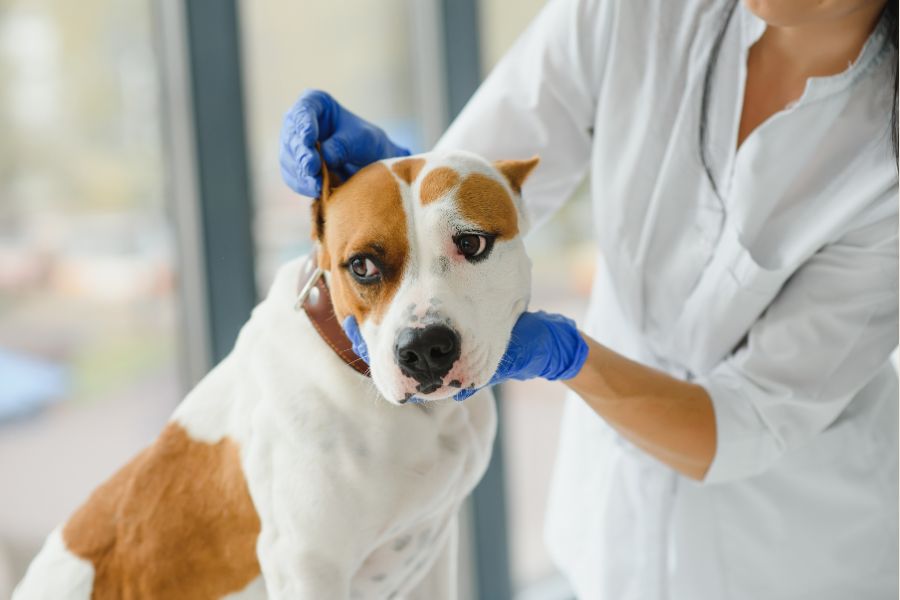
Most visits follow a familiar flow. Your pet is weighed, vital signs are checked, and a nose-to-tail exam reviews eyes, ears, skin, coat, mouth, belly, joints, and posture. You talk about eating habits, energy, sleep, bathroom routines, and behavior. Vaccination schedules and parasite prevention are reviewed based on lifestyle.
Many clinics also recommend baseline screening. Blood and urine tests reveal internal trends long before symptoms appear. Stool checks help confirm intestinal health. These steps give context to future results and help personalize plans, especially as pets age. This middle stage of life often brings the first quiet changes, which makes consistent veterinary care especially valuable.
How Annual Visits Save Money And Worry
Prevention costs less than crisis treatment. Addressing dental buildup early avoids painful infections. Managing weight reduces strain on joints and organs. Catching skin allergies prevents months of itching and repeated appointments. Each of these examples shows how steady checkups protect both your budget and your pet’s comfort.
Annual visits also prevent surprise emergencies. Clear guidance on diet, exercise, and home monitoring reduces risk. When problems appear, your care team already knows your pet’s history, which speeds decisions and lowers anxiety. Familiar faces and records streamline every step.
Life-stage Care: Puppies, Adults, Seniors
Young pets need guidance on growth, training, and safe socialization. Early visits set schedules for shots and parasite control while answering questions about chewing, house habits, and sleep.
Adult pets benefit from maintenance. Weight management, dental checks, and activity planning keep them strong. This stage focuses on consistency and preventing gradual decline.
Senior pets deserve closer observation. Age brings slower metabolism, stiffness, and changes in vision or hearing. More frequent screenings may be advised. Gentle adjustments to food, supplements, and routines preserve quality of life. Clear communication during visits helps families prepare for each new chapter.
Building A Partnership That Lasts
Trust grows through regular contact. Your care team learns your pet’s personality, stress triggers, and preferences. You gain confidence asking questions and sharing observations. Together, you create a plan that fits your home and schedule. That relationship matters when tough choices arise, because shared history supports thoughtful decisions.
Final Thoughts
Annual wellness visits help create a strong foundation for your pet’s lifelong health. These appointments offer valuable insight, personalized guidance, and consistent support as your companion’s needs evolve.
We are proudly serving at Haymarket, VA, and welcome you to our location: 5371 Merchants View Square, Haymarket, VA 20169 — where compassionate care and community come together for your pet’s well-being.
If you are in Gainesville, VA, and searching for veterinary surgery for your dog, schedule an appointment with Dominion Valley Animal Hospital or call 703-753-4444.
From nutrition and activity to dental health and aging care, families gain clarity while pets benefit from comfort and familiarity. With Haymarket just about a 4-5 minute drive away from Gainesville, quality care remains close and convenient for local pet parents.
By staying committed to routine checkups, you build prevention, partnership, and peace of mind. Keep track of changes at home, ask questions during visits, and follow recommended care plans to help your pet thrive for years to come.
Frequently Asked Questions(FAQs):
1. How long does an annual visit usually take?
A: Most appointments last thirty to forty minutes. Time covers weighing, a full exam, discussion of habits, and any recommended tests. Extra time may be added for puppies, seniors, or first visits, which often include education and personalized planning.
2. Do indoor pets still need yearly exams?
A: Yes. Indoor pets face risks like dental disease, weight gain, and hidden organ changes. Annual exams track internal health, confirm nutrition needs, and catch subtle problems early, even when outdoor exposure feels limited.
3. What should I bring to the appointment?
A: Bring current medications, a stool sample if requested, and notes about appetite, water intake, bathroom habits, and behavior. Photos or short videos of concerns help. A favorite treat or toy supports calm handling during the exam.
4. Are vaccines required every year?
A: Not always. Schedules depend on age, lifestyle, and local risk. Core protection may last longer, while others vary. Your provider reviews records and recommends timing that matches your pet’s exposure and overall health profile.
5. How can I reduce stress for my pet?
A: Use a secure carrier or harness, arrive a few minutes early, and offer praise. Practice gentle handling at home. Ask about fear-free techniques. Calm preparation, familiar scents, and rewards after the visit make a big difference.
6. Why choose us?
A: At Dominion Valley Animal Hospital, we’re dedicated to creating personalized plans that meet your pet’s unique needs. Our caring team uses the most up-to-date techniques and medications to ensure your pet remains comfortable and safe during their recovery. We genuinely care about your pet’s health and happiness.