5371 Merchants View Square, Haymarket, VA 20169

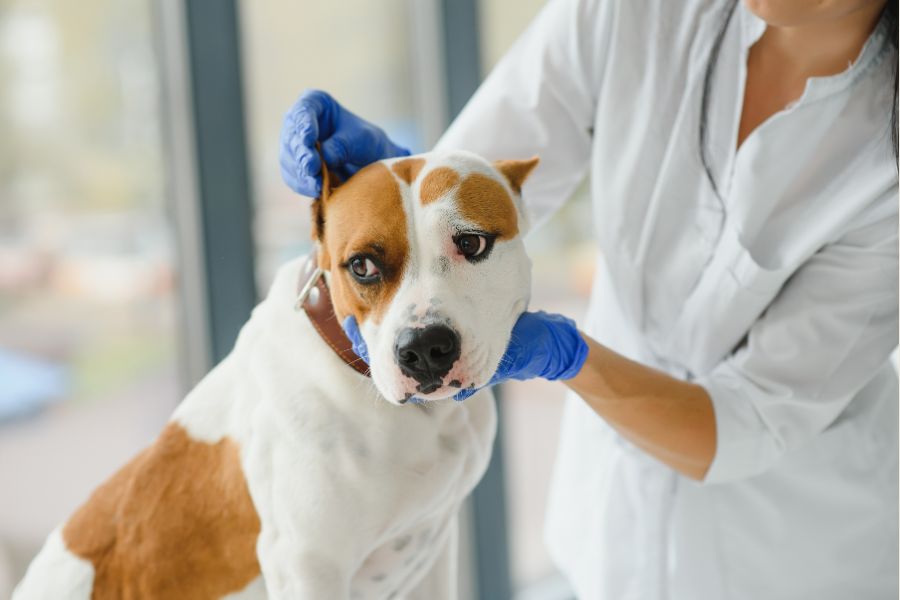
A routine wellness exam helps track your dog’s weight, mobility, appetite, and overall comfort. Aging dogs often develop health changes slowly, which makes regular visits important. Some symptoms deserve faster attention because they may point to pain, illness, or declining quality of life.
Watching for physical and behavioral changes can help families respond early and support better long-term health. This guide explains five signs that may mean your senior dog needs more than standard preventive care, along with simple advice for keeping older pets comfortable at home in Haymarket.
Changes in Mobility and Balance
Senior dogs naturally slow down with age, though stiffness and weakness should not be ignored. Dogs that hesitate before climbing stairs, struggle to stand, or slip on smooth floors may be dealing with joint pain or muscle loss.
Watch for Daily Movement Changes
Pay attention to your dog during normal routines. Difficulty jumping into the car, slower walks, and limping after naps can point to arthritis or spinal discomfort. Some dogs become less interested in walks because movement hurts.
Sudden collapse or severe weakness needs prompt medical attention.
Loss of Appetite or Weight
A healthy appetite is often one of the easiest ways to judge your dog’s condition. Older dogs that stop eating regularly or lose weight without explanation may need more than a routine wellness exam.
Eating Habits Matter
Dental pain, stomach problems, organ disease, and medication side effects can all reduce appetite. Some dogs approach food but walk away after a few bites.
Track changes over several weeks instead of relying on memory. Rapid weight loss should always be evaluated quickly.
Breathing Problems and Persistent Coughing
Heavy breathing after light activity is not always caused by aging. Senior dogs can develop heart and lung conditions that reduce stamina and affect daily comfort.
Signs That Need Attention
Coughing during the night, wheezing, noisy breathing, or struggling to recover after short walks may suggest an underlying issue.
Keep your dog in a calm environment during warm weather. Avoid intense exercise if breathing seems difficult. Contact your veterinarian if symptoms worsen or appear suddenly.
Confusion and Behavior Changes
Many pet owners notice personality shifts in older dogs. Some changes are mild. Others can interfere with safety, sleep, and family interaction.
Mental Changes Can Affect Daily Life
Senior dogs may stare at walls, wander at night, forget familiar routines, or appear anxious in quiet environments. House-training accidents can also become more common. These behaviors may be linked to cognitive decline, discomfort, or vision loss.
Maintain a steady routine with predictable feeding times and sleeping areas.
Lumps, Skin Changes, and Ongoing Discomfort
Not every lump is dangerous, though new growths should still be monitored carefully. Skin problems and unexplained discomfort can affect an older dog’s energy and mood.
Do Not Ignore Physical Changes
Check your dog during grooming or quiet time. Look for swelling, sores that do not heal, foul odors, or sensitive areas that trigger a reaction when touched.
Take photos of growths to track size changes over time. Early evaluation often creates more treatment options and better comfort for senior pets.
Helping Senior Dogs Stay Comfortable
Older dogs benefit from consistent routines and supportive home care. Keep fresh water available, maintain a healthy body weight, and provide moderate exercise that matches your dog’s ability level.
Monitor emotional health along with physical health. Dogs that withdraw from family interaction or avoid favorite activities may be struggling silently. At Dominion Valley Animal Hospital, at Dominion Valley Animal Hospital, we provide compassionate care, thorough evaluations, and personalized support to help senior pets maintain comfort, mobility, and overall quality of life. Schedule an appointment when unusual symptoms appear, allowing our team to provide thoughtful guidance and personalized support for aging pets.
Conclusion
Senior dogs rely on their families to notice small health changes before they become larger problems. Careful observation and timely attention can improve comfort. If you’re located in Haymarket, reach out to our facility—where compassionate care and community come together for your pet’s well-being. Serving nearby areas like Gainesville, our team is committed to helping senior dogs enjoy safer, healthier, and more comfortable lives. Through every stage.
Frequently Asked Questions(FAQs):
1. How often should a senior dog have a wellness exam?
A: Most senior dogs benefit from wellness visits every six months. More frequent appointments may help identify weight changes, mobility concerns, dental discomfort, or chronic illness before symptoms become severe or difficult to manage at home.
2. Is sleeping more normal for senior dogs?
A: Older dogs usually rest more during the day, though extreme fatigue should still be monitored. Sudden low energy, weakness, or loss of interest in food and activities may signal pain, illness, or emotional stress.
3. What are common signs of arthritis in dogs?
A: Common signs include limping, slower movement, stiffness after resting, difficulty climbing stairs, and reluctance to jump. Some dogs also become irritable because sore joints can make normal movement uncomfortable throughout the day.
4. Should I worry if my dog drinks more water?
A: Increased thirst can sometimes point to kidney disease, diabetes, or hormonal changes. Track water intake and watch for appetite changes, accidents indoors, or weight loss that develops over a short period of time.
5. Why does my senior dog seem confused at night?
A: Disorientation at night may be linked to cognitive decline, hearing loss, or vision changes. Dogs can become restless, pace through the house, or bark unexpectedly because familiar surroundings suddenly feel confusing or stressful.
6. When should I schedule an appointment for my aging dog?
A: Schedule a visit if your dog develops coughing, weight loss, breathing changes, confusion, reduced mobility, or unusual behavior. Early attention may improve comfort and help your pet maintain a better quality of life.