5371 Merchants View Square, Haymarket, VA 20169

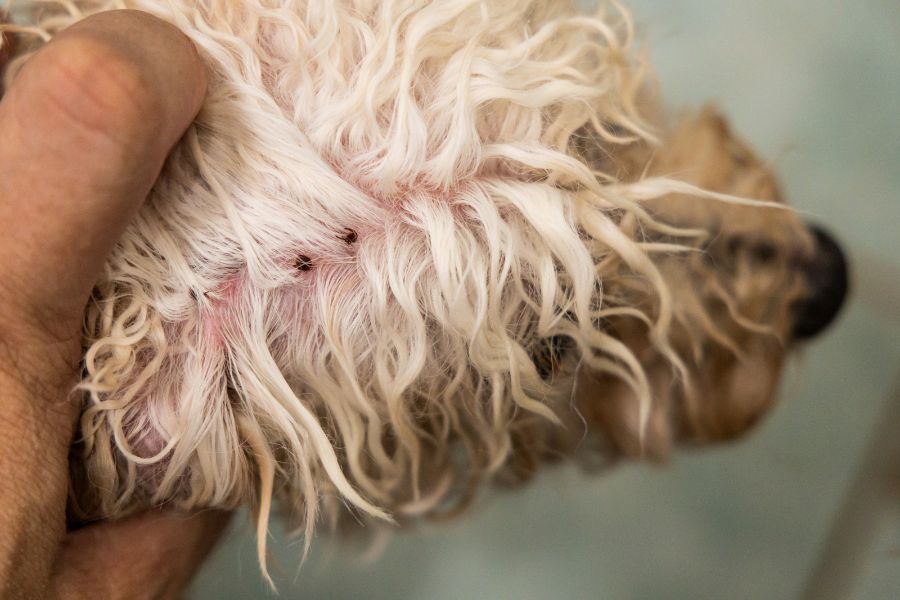
Fleas can turn a happy, healthy dog into a restless, itchy companion almost overnight. If you’ve ever seen your dog scratching nonstop or noticed tiny black specks in their fur, you already know how fast a flea problem can grow. The good news is that there are effective ways to deal with fleas quickly—and safely.
This guide breaks down what works right away, what supports long-term control, and what to do if your dog has fleas so you can take confident action without confusion.
Why Fleas Are So Hard to Eliminate
Before jumping into solutions, it helps to understand the problem. Fleas are not just living on your dog—they’re in your home too. Eggs fall onto carpets, bedding, and furniture, creating a cycle that keeps repeating.
A single flea can lay dozens of eggs each day. That’s why quick action matters. Killing adult fleas is only one part of the solution. You also need to stop the next generation from hatching.
What Kills Fleas on Dogs Instantly?
If you’re looking for immediate relief, these options work fast and are widely used by pet owners and veterinarians.
1. Oral Flea Tablets (Fast-Acting Medications)
Oral flea treatments are one of the quickest ways to kill fleas.
- Start working within 30 minutes to a few hours
- Kill adult fleas through your dog’s bloodstream
- Often available by prescription or over the counter
These tablets are a strong first step when deciding what to do if your dog has fleas because they stop the biting quickly.
2. Flea Shampoos
Flea shampoos are a hands-on, immediate solution.
- Kill fleas on contact during the bath
- Wash away dirt, flea debris, and eggs
- Provide quick but short-term relief
Use lukewarm water and follow directions carefully. Make sure to rinse thoroughly and keep shampoo away from your dog’s eyes.
3. Flea Sprays
Flea sprays are useful for both dogs and their surroundings.
- Kill fleas instantly on contact
- Can be used between baths
- Some formulas also target eggs and larvae
They work best as part of a larger plan rather than a one-time fix.
4. Flea Combs (Manual Removal)
A flea comb won’t solve a heavy infestation, but it helps right away.
- Removes live fleas and debris
- Helps monitor progress
- Works well after treatments
Dip the comb in soapy water after each pass to kill captured fleas.
What to Do If Your Dog Has Fleas: Step-by-Step Plan
Taking the right steps early prevents the problem from spreading. Here’s a clear and practical approach.
Step 1: Start with Immediate Treatment
Use a fast-acting solution like an oral tablet or flea shampoo. This reduces discomfort and stops active biting.
Step 2: Treat Your Home
Fleas don’t stay only on your dog. Clean thoroughly:
- Vacuum carpets, rugs, and furniture daily
- Wash pet bedding in hot water
- Use flea sprays or home treatments if needed
This step is often overlooked when people think about what to do if their dog has fleas, but it’s essential.
Step 3: Use Long-Term Prevention
After the initial treatment, switch to prevention methods:
- Monthly topical treatments
- Oral preventives
- Flea collars (vet-approved)
These help break the flea life cycle and prevent reinfestation.
Step 4: Monitor and Repeat as Needed
Check your dog regularly:
- Look for scratching or biting
- Inspect fur for flea dirt
- Use a flea comb weekly
Consistency matters more than one-time treatments.
Natural Remedies: Do They Work Instantly?
Some pet owners prefer natural options, but it’s important to set realistic expectations.
Common Natural Options
- Apple cider vinegar sprays
- Lemon water rinses
- Diatomaceous earth
These may help repel fleas, but they do not kill them instantly in most cases. If your dog is already infested, natural remedies alone are not enough.
When to Call a Veterinarian
Some flea problems need professional care.
You should reach out if:
- Your dog has severe itching or skin irritation
- You notice hair loss or open sores
- Fleas keep coming back despite treatment
- Your dog seems weak or lethargic
A veterinarian can recommend stronger treatments and rule out other skin issues.
Preventing Future Flea Infestations
Prevention is simpler than dealing with an outbreak.
Simple Habits That Work
- Keep your home clean and vacuumed
- Wash bedding regularly
- Use year-round flea prevention
- Avoid contact with infested animals
These habits reduce the chances of facing the same issue again.
Common Mistakes to Avoid
Even with good intentions, some actions can make flea problems worse.
- Skipping home treatment
- Using dog products on cats (unsafe)
- Stopping treatment too early
- Overusing multiple products at once
Stick to a clear plan and follow product instructions closely.
Conclusion: Take Action Early and Stay Consistent
Fleas are frustrating, but they are manageable with the right approach. Quick treatments like oral medications and flea shampoos provide fast relief, while consistent home care and prevention stop the problem from coming back.
If you’re unsure about the best option for your dog, or if the infestation continues, it’s a smart step to visit our website for more guidance on parasite prevention and care.
The key is simple: act quickly, treat thoroughly, and stay consistent. That’s the most reliable way to keep your dog comfortable and your home flea-free.
Frequently Asked Questions(FAQs):
1. Do I need to treat my home if my dog has fleas?
Yes. Fleas lay eggs in carpets, furniture, and bedding. Treating your home is necessary to stop the life cycle and prevent reinfestation.
2. What kills fleas on dogs immediately?
Fast-acting oral flea tablets and medicated flea shampoos provide the quickest results. They start killing fleas within minutes to hours.
3. What to do immediately if my dog has fleas?
Begin with a quick treatment such as a flea bath or oral medication. Then clean your home and start a prevention plan to stop the problem from returning.
4. Do I need to wash my bedding if my dog has fleas?
Yes. Wash all pet and household bedding in hot water to kill fleas, eggs, and larvae that may be present.
5. What kills 100% of fleas in the house?
There is no single-step solution. A combination of vacuuming, washing fabrics, and using flea control products works best to eliminate all life stages.
6. Can I still cuddle my dog if he has fleas?
You can, but take precautions. Fleas may transfer to your clothing or home, so it’s better to treat your dog first and maintain cleanliness.