5371 Merchants View Square, Haymarket, VA 20169

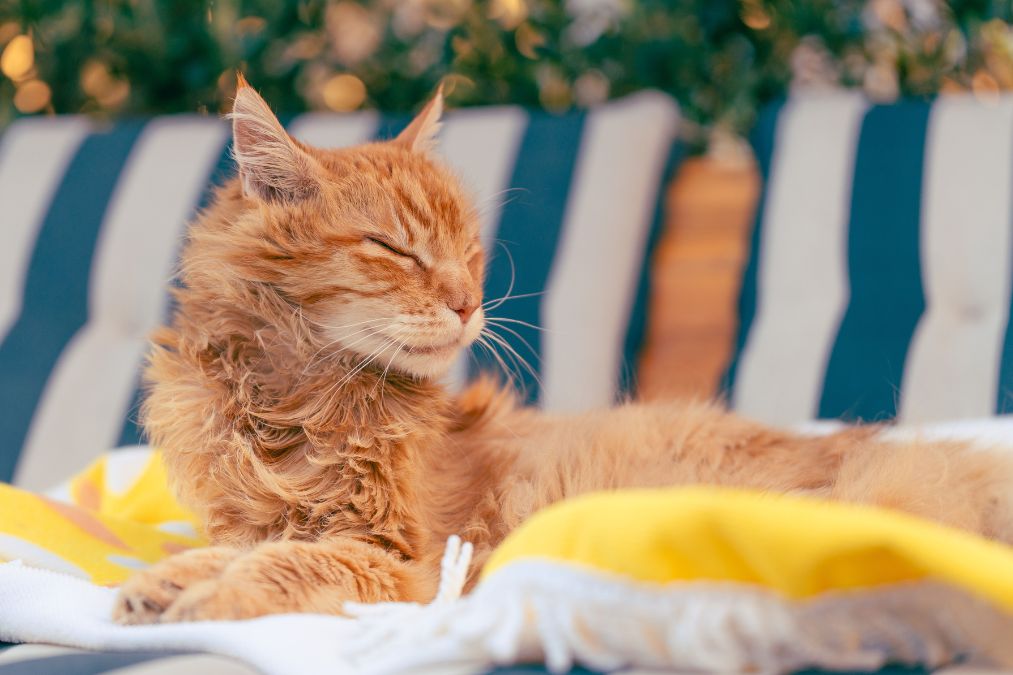
Summer brings longer days, outdoor fun, and more time with your pets, but it also introduces hidden risks that can affect their comfort and well-being. From rising temperatures and hot surfaces to dehydration and seasonal hazards, staying informed helps you prevent avoidable issues.
This guide covers practical summer safety tips for pets, including hydration, heat protection, safe exercise routines, and travel awareness. You will also learn how to recognize early warning signs of distress and when to seek help. Pet owners in Haymarket and surrounding communities can use these insights to keep their companions safe and happy all season.
Understanding Summer Risks for Pets
Warm weather affects pets differently from humans. Dogs and cats cannot regulate body temperature as efficiently, making them more vulnerable to overheating. Thick coats, short snouts, age, and underlying conditions increase sensitivity to heat.
Hot pavement can burn paw pads within minutes. Even shaded areas retain heat during peak hours. Outdoor exposure without proper ventilation or water access can quickly lead to discomfort. Recognizing these risks early allows you to adjust routines and prevent emergencies.
Hydration Is a Top Priority
1. Keep Fresh Water Available
Pets lose fluids faster during summer. Always provide clean, cool water in multiple locations. Refill bowls frequently and consider adding ice cubes to keep water refreshing.
2. Encourage Drinking
Some pets drink less than needed. You can increase hydration by offering wet food, pet-safe broths, or water fountains. When going outdoors, carry a portable water bottle designed for pets.
Protect Your Pet from Heat
1. Limit Outdoor Activity
Avoid walks during midday heat. Early morning and late evening are safer. Test the pavement with your hand; if it feels hot, it is unsafe for paws.
2. Provide Shade and Ventilation
If your pet spends time outdoors, ensure access to shaded areas and airflow. Never leave pets in parked vehicles, even for a short time. Temperatures inside cars rise rapidly and become dangerous.
3. Grooming Matters
Regular brushing helps remove excess fur and improves airflow to the skin. Avoid shaving coats completely unless recommended, as fur can also protect from sun exposure.
Recognizing Signs of Heat Stress
Early detection can prevent serious complications. Watch for:
- Excessive panting
- Drooling or dry gums
- Lethargy or weakness
- Vomiting or disorientation
If you notice these signs, move your pet to a cooler area immediately, offer water, and contact a veterinarian near you for guidance. Quick action can make a significant difference.
Safe Exercise and Outdoor Fun
1. Adjust Activity Levels
Pets still need exercise, but intensity should match weather conditions. Shorter walks and indoor play sessions help maintain fitness without overheating.
2. Choose Safer Surfaces
Grass and shaded trails are better than asphalt. If you visit parks, check for water sources and shaded rest areas.
3. Water Play Safety
Swimming can be a great way to cool down. Always supervise your pet around water and ensure they can exit safely. Rinse off chlorine or salt after swimming to avoid skin irritation.
Travel and Outdoor Adventures
Summer often includes road trips and outings. Planning keeps your pet safe.
- Use secure carriers or seat restraints
- Pack food, water, and medications
- Take frequent breaks for hydration and bathroom needs
- Never leave pets unattended in vehicles
If traveling long distances, research pet-friendly stops and accommodations.
Seasonal Hazards to Watch For
1. Parasites and Pests
Warm weather increases exposure to fleas, ticks, and mosquitoes. Preventive treatments help reduce risks.
2. Toxic Plants and Foods
Outdoor exploration may expose pets to harmful plants or human foods during gatherings. Keep an eye on what they sniff or eat.
3. Fireworks and Loud Noises
Summer celebrations can cause anxiety. Create a quiet, secure space indoors to help your pet feel safe.
Creating a Comfortable Indoor Environment
Keeping your home cool is essential. Use fans or air conditioning to maintain a comfortable temperature. Cooling mats or damp towels provide additional relief. Ensure your pet has a designated resting spot away from direct sunlight.
Mid-Season Check-In
Review your routine halfway through the season. Are hydration habits consistent? Is your pet showing signs of fatigue? Small adjustments can improve comfort and safety. This is also a good time to revisit summer safety tips for pets and ensure nothing is overlooked.
When to Seek Professional Care
If your pet shows persistent symptoms such as loss of appetite, unusual behavior, or signs of dehydration, do not delay care. Early evaluation helps prevent complications and supports faster recovery.
Conclusion
Keeping your pet safe during summer requires awareness, preparation, and consistent care. Simple steps like maintaining hydration, avoiding peak heat, and monitoring behavior can prevent many seasonal risks. Your attention plays a key role in ensuring your pet enjoys the warmer months comfortably.
If you notice any concerning symptoms or need personalized guidance, do not hesitate to book an appointment with a trusted care provider. Reach out to our Haymarket facility at 5371 Merchants View Square, Haymarket, VA 20169—where compassionate care and community come together for your pet’s well-being.
Frequently Asked Questions(FAQs):
1. How can I tell if my pet is overheating?
A: Look for heavy panting, drooling, weakness, and confusion. These signs indicate your pet may be struggling with heat. Immediate cooling and contacting a professional are essential to prevent serious complications.
2. Is it safe to walk my dog during summer afternoons?
A: Midday walks are risky due to high temperatures and hot pavement. Early morning or evening walks are safer. Always check the ground temperature and bring water to keep your dog comfortable.
3. How much water should my pet drink in summer?
A: Water needs vary based on size and activity level. Pets generally require more fluids during hot weather. Ensure constant access to fresh water and monitor intake to prevent dehydration.
4. Can pets get sunburned?
A: Yes, pets with light-colored or thin coats are more susceptible. Areas like the nose and ears are especially vulnerable. Limit sun exposure and provide shaded areas during outdoor activities.
5. Are cooling products necessary for pets?
A: Cooling mats, vests, and fans can help regulate body temperature, especially during extreme heat. These products provide added comfort but should complement proper hydration and shade.
6. What should I do if my pet refuses to eat in summer?
A: Reduced appetite can occur in hot weather, but persistent refusal may indicate a problem. Monitor behavior and hydration. If it continues, seek professional advice to rule out underlying issues.