5371 Merchants View Square, Haymarket, VA 20169

Seasonal itching, paw licking, and recurring ear irritation can leave many families wondering what is really happening with their companion. This guide explains what triggers pet allergies, how to recognize early warning signs, practical ways to manage flare-ups at home, and when professional care is needed. You will also learn how local weather patterns in Haymarket, VA, influence symptoms and what steps you can take throughout the year to keep your pet comfortable.
Allergies develop when a pet’s immune system reacts to something in the environment that is normally harmless. Pollen, grass, mold spores, and dust mites are common triggers. In Northern Virginia, spring tree pollen and late-summer ragweed can create noticeable spikes in itching and skin irritation. Families in Haymarket, VA often see flare-ups during warm, humid months when allergens are heavy in the air.
What Causes Seasonal Flare-Ups?
Seasonal allergies are often linked to environmental exposure. Dogs and cats walk, roll, and rest on surfaces that collect pollen. These particles stick to fur and skin. Once allergens settle, the body may respond with inflammation.
Common Environmental Triggers
- Tree and grass pollen
- Mold spores after rainfall
- Dust mites in bedding
- Weeds during late summer
Pets who spend more time outdoors may show stronger reactions. Indoor pets are not immune. Open windows, shoes, and clothing can carry allergens inside.
Signs Your Pet May Be Reacting
Recognizing early signs helps reduce discomfort before symptoms become severe.
1. Skin and Coat Changes
- Persistent scratching
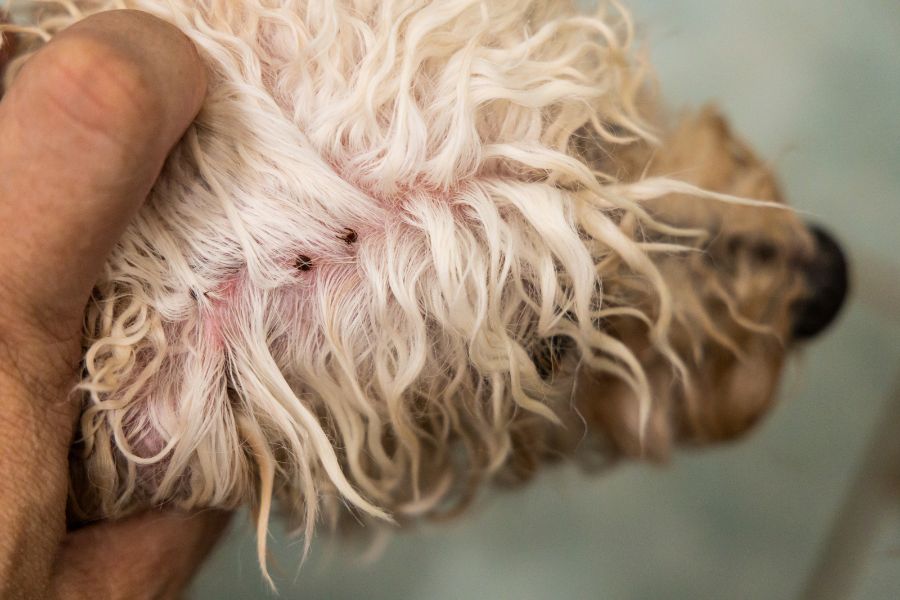
- Red or irritated skin
- Hair thinning from repeated licking
- Scabs or hot spots
2. Ear and Paw Concerns
- Frequent head shaking
- Paw chewing
- Odor or discharge from the ears
Some pets develop watery eyes or sneezing. Others show only skin symptoms. Reactions vary from mild to intense depending on exposure and sensitivity.
Why Seasonal Patterns Matter in Northern Virginia
Haymarket experiences noticeable shifts between spring blooms and humid summers. Oak, cedar, and grass pollen counts rise during spring. Late summer brings ragweed. Increased moisture after storms can elevate mold levels.
These seasonal shifts mean symptoms may appear around the same months each year. Tracking your pet’s flare-ups can reveal patterns. Keeping a simple calendar note of itching intensity, weather conditions, and outdoor activity can provide valuable insight.
Practical Ways to Manage Flare-Ups at Home
A clear, consistent routine reduces allergen exposure and keeps skin healthier.
1. Wipe Down After Outdoor Time
Use a damp cloth to gently clean paws, legs, and belly after walks. This removes pollen before it settles into the skin.
2. Regular Bathing
Bathing with a mild, soothing shampoo helps rinse allergens from the coat. Avoid overbathing. Too frequent washing may dry the skin.
3. Clean Living Spaces
Wash bedding weekly in hot water. Vacuum carpets and furniture. Consider using air filters during high pollen seasons.
4. Balanced Nutrition
A nutritious diet supports skin health. Omega fatty acids may help maintain a strong skin barrier. Discuss dietary options with a trusted professional before making changes.
When Professional Care Is Needed
Home care can reduce mild flare-ups. Persistent scratching, recurring ear infections, or skin sores need medical evaluation. Chronic irritation can lead to secondary infections that require prescription treatment.
A thorough examination helps rule out other causes, such as parasites or food reactions. Diagnostic testing may identify specific triggers. Targeted treatment plans can include medicated shampoos, topical therapies, or allergy support medications.
Our approach to pet allergies focuses on identifying patterns, reducing discomfort, and creating long-term management strategies tailored to each pet’s lifestyle.
Preventing Recurring Flare-Ups
Prevention is often more effective than treating symptoms after they escalate.
- Start supportive care before peak allergy season
- Maintain consistent grooming
- Limit outdoor exposure during high pollen hours
- Monitor ears and paws weekly
Early intervention may reduce the severity of reactions later in the season.
Building a Year-Round Care Plan
Allergies are rarely cured. They are managed. A transparent care plan includes seasonal monitoring, lifestyle adjustments, and routine checkups. Clear communication with your care team ensures adjustments can be made as symptoms change.
If you would like to better understand how we support skin health, preventive care, and long-term allergy management, we invite you to explore our full range of services on our website: Dominion Valley Animal Hospital. Learning about available options helps you make informed decisions for your companion.
Conclusion
Seasonal allergies can affect a pet’s comfort, behavior, and quality of life. Early recognition, practical home care, and professional guidance create a balanced plan for relief. Consistency makes a noticeable difference over time.
We are conveniently located in Haymarket, VA, and welcome you to our facility at 5371 Merchants View Sq, Haymarket, VA 20169—where compassionate care and community come together for your pet’s well-being. Schedule an appointment with Dominion Valley Animal Hospital.
Frequently Asked Questions(FAQs):
1. What are the first signs of seasonal allergies in pets?
A: Early signs often include scratching, licking paws, red skin, and frequent ear irritation. Some pets develop watery eyes or mild sneezing. Symptoms may appear suddenly during spring or late summer when pollen counts rise in Northern Virginia.
2. Can seasonal allergies go away on their own?
Mild symptoms may decrease when pollen levels drop. Many pets experience recurring flare-ups each year. Without proper management, irritation can worsen over time and lead to skin infections or chronic ear problems.
3. How often should I bathe my pet during allergy season?
A: Bathing every two to four weeks is generally helpful during peak seasons. Frequency depends on coat type and skin sensitivity. Overbathing may dry the skin, so guidance from a trusted professional is recommended.
4. Are certain breeds more prone to allergies?
A: Some breeds appear more sensitive to environmental triggers. Bulldogs, Retrievers, Terriers, and certain mixed breeds show higher rates of skin irritation. Any pet can develop allergies regardless of breed or age.
5. Is itching always caused by allergies?
A: No. Fleas, mites, dry skin, and food sensitivities can also cause itching. A proper evaluation helps determine the true cause. Treating without understanding the trigger may delay effective relief.
6. When should I schedule an appointment?
A: Seek care if scratching becomes constant, sores develop, ears smell unusual, or symptoms return frequently. Early attention helps prevent complications and supports long-term comfort.