5371 Merchants View Square, Haymarket, VA 20169

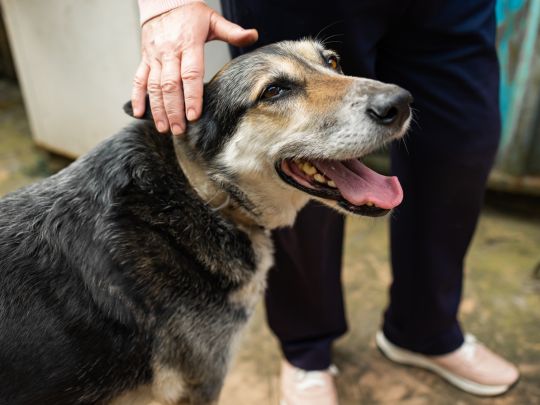
Each season brings beauty, change, and, unfortunately, hidden dangers for our four-legged companions. While you may adjust your wardrobe and routines with the seasons, your dog depends entirely on you to navigate year-round hazards. From the sweltering heat of summer to the icy dangers of winter, knowing what to watch for can make all the difference in your pup’s health and safety.
Let’s take a journey through the seasons and uncover the most common (and preventable) hazards that affect dogs.
Spring: Blossoms, Bugs, and Bites
1. Allergies Bloom Too
As flowers bloom, so do allergies. Pollen can trigger sneezing, itching, and watery eyes in dogs. Some may even develop skin rashes. Regular grooming and vet-prescribed antihistamines can provide relief.
2. Beware of Toxic Plants
Spring gardens often contain tulips, daffodils, and azaleas—all of which are toxic to dogs. If you love to garden, make sure your pup can’t dig around where these plants are growing.
3. Parasites Are Back
Fleas, ticks, and mosquitoes become more active as temperatures rise. These pests can carry diseases like Lyme and heartworm. Always keep your dog on a year-round parasite prevention plan.
Summer: Heatstroke and Hydration Woes
1. Hot Pavement, Hotter Paws
Sidewalks and asphalt absorb heat quickly. If the pavement is too hot for your hand, it’s way too hot for their little paws. Try to schedule walks for early morning or late evening to keep them safe from burns and overheating.
2. Heatstroke Can Be Deadly
Dogs don’t sweat like humans. They cool down by panting, which isn’t always efficient in extreme heat. Signs of heatstroke include excessive drooling, weakness, vomiting, and confusion. Immediate cooling and a trip to an animal hospital in Haymarket or your nearest vet are crucial.
3. Hydration is Non-Negotiable
Always ensure your dog has access to clean, fresh water. On long outings, bring a collapsible bowl and extra water just for them.
Fall: Fungi, Feasts, and Flea Surges
1. Mushroom Madness
Not all mushrooms are safe. Some wild mushrooms can be highly toxic and grow abundantly in moist, leafy areas. Keep a close eye on your dog while hiking or exploring wooded areas.
2. Holiday Hazards
Autumn brings holidays like Halloween and Thanksgiving. Chocolate, candy wrappers, turkey bones, and rich table scraps can all cause digestive issues or worse. Train guests not to feed your dog anything from the table.
3. Fleas Love Fall Too
Fleas don’t die off just because the air cools. They often become more aggressive as they seek warm hosts. Continue flea prevention even in cooler months.
Winter: Cold Comfort and Chemical Dangers
1. Antifreeze Is a Silent Killer
Ethylene glycol (the main component in antifreeze) has a sweet taste that dogs may be tempted by. Even a small amount can lead to kidney failure. Always clean up spills immediately and store containers securely.
2. Cold Weather Risk
Frostbite and hypothermia are very real risks, especially for short-haired or small breeds. Consider a winter jacket for your dog, and keep walks shorter on freezing days.
3. Holiday Decor and Snacks
Tinsel, ornaments, and festive foods can pose dangers. Raisins, grapes, and even some nuts can be toxic. Keep decorations and edible treats out of reach.
Year-Round Tips: Consistency Is Key
- Regular Vet Visits: Routine exams help catch seasonal issues early.
- Paw Checks: Always examine paws after outdoor time for cuts, burns, or stuck debris.
- Pet-Proof Your Home: Make your home pet-proof by storing seasonal items like de-icers and fertilizers in areas that are safe for your furry friends.
- Adjust Activity Levels: Respect your dog’s tolerance for temperature and change playtime accordingly.
No matter the season, your dog’s safety lies in your hands. By staying informed, observing closely, and adapting to the changes in weather and environment, you can ensure your furry friend enjoys every season safely. With a bit of foresight and love, your pup can frolic through spring fields, summer trails, autumn leaves, and winter snow—all without harm.
For additional guidance, always consult your veterinarian or your local animal hospital in Haymarket if you’re ever unsure about your pet’s symptoms or surroundings.
5 FAQs About Seasonal Hazards for Dogs
Q1: Can dogs get sunburned?
A: Yes! Dogs with thin coats or light skin are especially at risk. Use dog-safe sunscreen on vulnerable areas like the nose and ears.
Q2: How do I know if a plant is toxic to my dog?
A: Check the ASPCA’s list of toxic and non-toxic plants, or consult your veterinarian if you’re unsure.
Q3: Is ice melt safe for dogs?
A: Not all types are safe. Choose pet-friendly de-icing products and wipe your dog’s paws after walks in winter.
Q4: Can my dog swim in lakes during summer?
A: Sometimes. Avoid water with blue-green algae, which can be fatal if ingested. Always keep an eye on your dog while they’re swimming, and don’t forget to give them a good rinse afterward!
Q5: When should I take my dog to the vet for heatstroke?
A: For instance, cats with diabetes frequently experience weakness in their hind legs because of nerve damage, which leads them to walk in a flat-footed manner.