5371 Merchants View Square, Haymarket, VA 20169

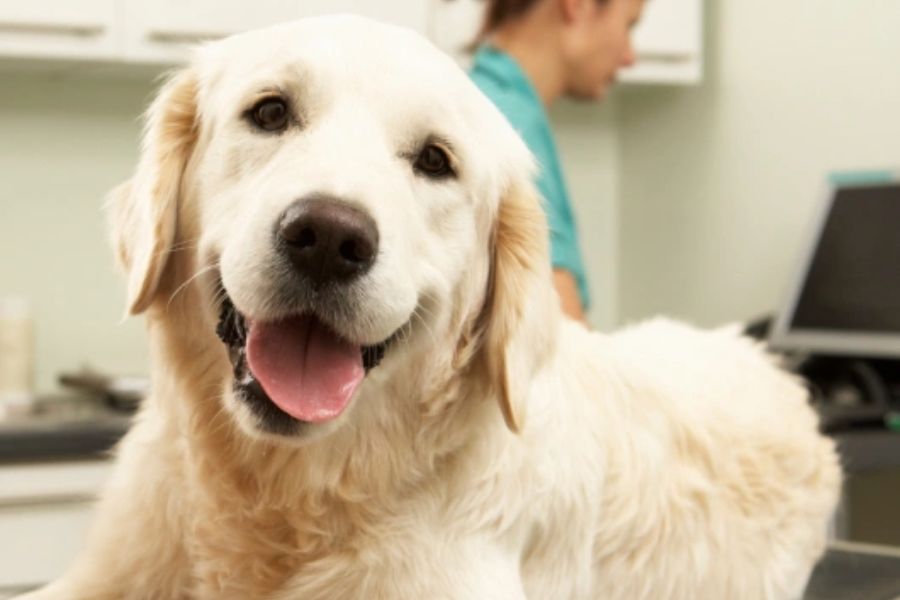
Regular veterinary visits are a key part of maintaining a pet’s health throughout their life. Just as humans need periodic health checkups, animals benefit greatly from routine assessments that help catch health concerns early and ensure they receive appropriate preventive care. These visits are not only about responding to illness but also about avoiding it altogether.
Early Detection of Health Issues
Many health conditions in pets develop silently, without any obvious symptoms in the early stages. Routine veterinary exams provide an opportunity to identify subtle changes in a pet’s weight, behavior, appetite, or appearance that could indicate underlying issues. Conditions such as diabetes, kidney disease, dental problems, or arthritis often show signs that a trained professional can recognize during a physical exam or through diagnostic tests.
Detecting these issues early allows for more effective management, reducing the risk of complications and improving the animal’s quality of life. For example, early intervention in dental disease can prevent tooth loss and related infections, while identifying joint issues early may allow for supportive therapies before the condition worsens.
Monitoring Vital Health Parameters
During a routine visit, a veterinarian typically assesses vital health markers, including weight, heart rate, respiratory rate, skin condition, and dental health. These regular check-ins help establish a baseline for each animal, making it easier to spot irregularities over time.
Monitoring weight trends is particularly important, as both obesity and unexplained weight loss can be indicators of broader health issues. Obesity, for instance, is linked to diabetes, joint problems, and heart disease in pets, while sudden weight loss may signal a more acute or chronic internal problem.
Vaccination and Parasite Control
Vaccination is a fundamental component of preventive care, protecting animals from a range of contagious and potentially fatal diseases. Routine vet visits ensure pets receive their vaccinations on schedule. Depending on the region and the type of pet, core and non-core vaccines may be recommended.
In addition to vaccinations, regular visits help maintain an effective plan for parasite control. Fleas, ticks, heartworms, and intestinal parasites can all impact a pet’s health and are often difficult to manage without guidance. A veterinarian can advise on the most suitable preventive products and schedules based on factors like local parasite prevalence, the pet’s lifestyle, and exposure risks.
Dental Health Maintenance
Oral health is often overlooked, yet it plays a crucial role in a pet’s overall well-being. Dental disease is extremely common in both dogs and cats and can lead to pain, infection, and systemic issues affecting the heart, liver, or kidneys.
Routine veterinary visits typically include an oral exam, and based on the findings, a professional dental cleaning or home care recommendations may be advised. Addressing tartar buildup, gum inflammation, or broken teeth early can prevent more serious problems down the line.
Tailored Nutritional and Behavioral Guidance
Each animal has unique dietary and behavioral needs, which can change as they age. Routine vet visits provide an opportunity to review a pet’s nutrition plan and make adjustments as needed. Whether it’s transitioning from puppy or kitten food to adult formulas, addressing senior pet requirements, or managing special conditions like allergies or chronic diseases, veterinary input can help maintain optimal nutrition.
Behavioral issues such as anxiety, aggression, or changes in activity levels can also be discussed during these visits. Early evaluation can lead to strategies that prevent problems from escalating or becoming chronic.
Life Stage-Based Care
As pets move through different life stages—puppy/kitten, adult, and senior—their health care needs evolve. Routine veterinary visits ensure that care protocols are updated accordingly. For young animals, the focus may be on vaccinations, growth monitoring, and spaying or neutering. Adults may require annual health screenings, while seniors often need more frequent checkups to monitor age-related conditions like arthritis, organ decline, or cognitive dysfunction.
Customized care at each stage supports a higher quality of life and helps pets stay healthy and active for as long as possible.
Building a Health History
Consistent veterinary care helps build a comprehensive health history for each pet. This information is crucial for recognizing patterns, understanding past health events, and making informed decisions about future care. It also aids in emergencies, where a known history can guide quicker and more accurate treatment.
Routine veterinary visits are more than just a formality—they are an essential aspect of preventive pet care. These visits support early disease detection, ensure timely vaccinations and parasite control, maintain dental and nutritional health, and help track changes across different life stages. By prioritizing regular checkups, pet owners can help their animals lead healthier, longer lives with fewer medical complications.