5371 Merchants View Square, Haymarket, VA 20169

Pets do more than just fill our homes with love—they can profoundly impact our mental health. Whether you are struggling with anxiety, depression, or simply seeking a consistent source of joy, choosing the right pet can transform your daily life. However, selecting a companion requires thoughtful consideration to ensure it aligns with your emotional and lifestyle needs.
Understanding Your Emotional Needs First
Before deciding on a pet, pause and reflect on your mental health goals. Are you looking for companionship, stress relief, or emotional support during challenging times? For instance, individuals dealing with high levels of anxiety may benefit from calm, low-maintenance pets like fish or small mammals, while those seeking active engagement might thrive with a playful dog or cat.
Additionally, consider your daily routines and energy levels. Pets require varying degrees of attention, exercise, and interaction. Matching your lifestyle to the demands of the pet ensures a harmonious relationship and reduces stress for both you and your new companion.
Dogs: Loyal Companions for Active Support
Dogs are widely known as loyal, empathetic, and responsive companions. They offer not only physical activity through walks and play but also emotional grounding. Studies consistently show that interacting with dogs can lower cortisol levels (stress hormone) and increase the release of oxytocin, the “love hormone.”
However, remember that dogs require significant time and commitment. Choosing the right breed and size is crucial. For instance, a small, calm dog may suit someone with anxiety who needs a gentle presence, whereas an energetic breed may be ideal for someone looking to boost motivation and exercise.
Cats: Independent Yet Comforting Friends
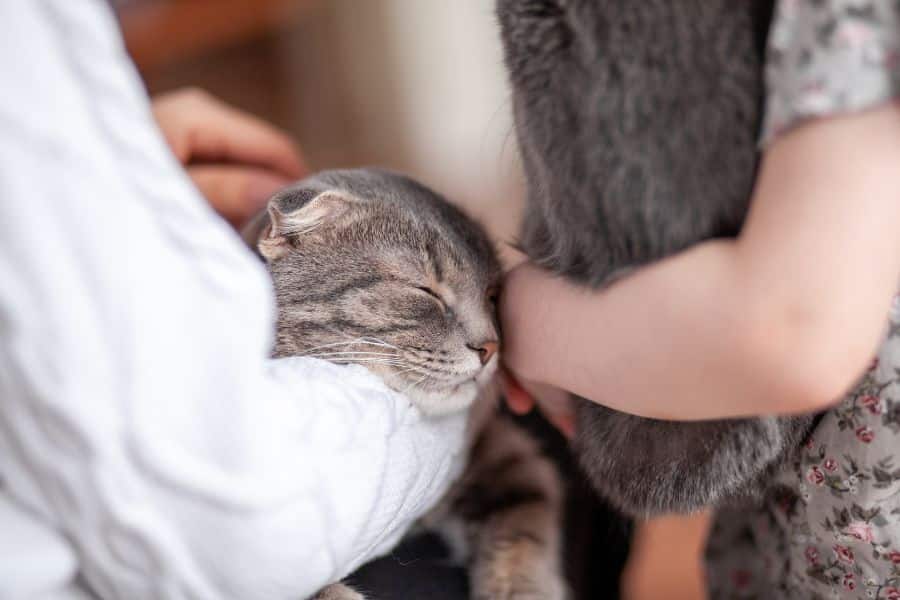
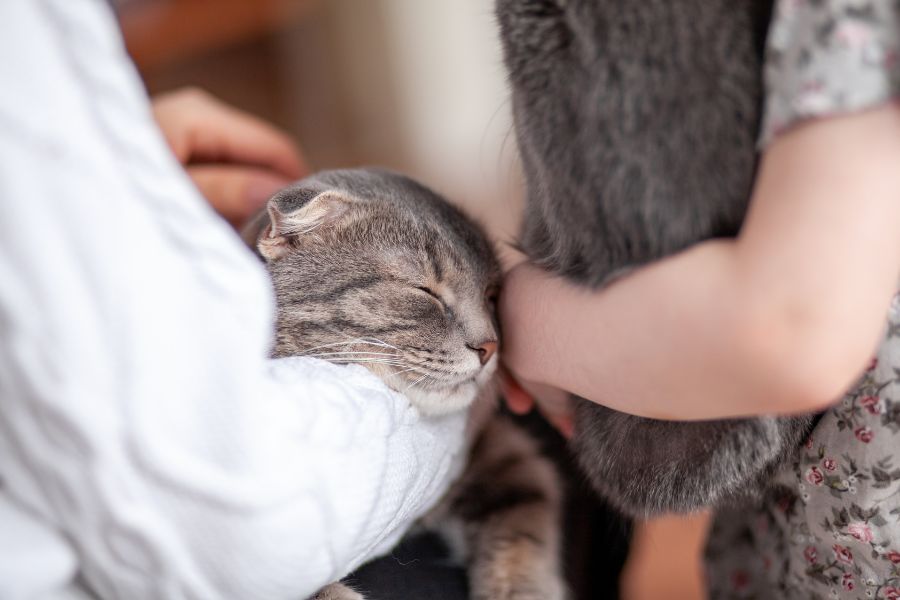
Cats provide a different type of mental health benefit. Their independent nature makes them ideal for individuals seeking companionship without constant attention. The act of petting a cat has been shown to reduce blood pressure and stress levels, while their playful antics often uplift mood and encourage laughter.
Moreover, cats can adapt well to indoor living, making them perfect for apartment dwellers or those with limited mobility. Despite their independence, a strong bond with a feline companion can provide the emotional support many people crave.
Small Mammals and Birds: Low-Maintenance Emotional Boosters
If you are not ready for the responsibility of a dog or cat, small mammals like rabbits, guinea pigs, or hamsters, as well as birds like parakeets or cockatiels, can be excellent alternatives. These pets require less space and exercise, yet their presence offers companionship, routine, and emotional enrichment.
Furthermore, caring for these animals fosters a sense of purpose and mindfulness. Feeding, cleaning, and interacting with them can create calming rituals that positively impact mental well-being.
Fish and Reptiles: Serene Stress Relievers
For individuals seeking tranquility, fish and reptiles can provide a visually soothing and low-maintenance companionship. Watching fish swim gracefully in an aquarium can reduce anxiety and induce a meditative state. Similarly, reptiles like turtles or geckos offer a quiet, observational bond that can be surprisingly comforting.
However, these pets do not provide tactile interaction in the same way dogs or cats do, so consider whether physical affection is an essential part of your mental health support system.
Spotting the Difference: Choosing Between a Pet and Emotional Support
It’s essential to differentiate between a pet for general companionship and one specifically for emotional support. While all pets can improve mood, emotional support animals (ESAs) are trained or legally recognized to provide therapeutic benefits for mental health conditions.
Consulting with a mental health professional can help determine if an ESA is appropriate for your situation. Furthermore, a veterinarian or trusted animal care provider, such as Dominion Valley Animal Hospital, can guide you in selecting a pet that fits both your emotional and lifestyle needs.
Lifestyle and Home Considerations
Your living environment plays a critical role in determining which pet suits you best. Consider space availability, noise levels, and household members’ preferences or allergies. For example, a large, energetic dog may not be suitable for a small apartment, whereas a quiet cat or a bird may thrive.
Additionally, consider your work schedule. Pets that require less attention may be ideal for busy professionals, while those working from home might enjoy the companionship of a more interactive animal. A trusted vet hospital in Haymarket can guide suitable pets for different living situations.
Emotional Compatibility: Beyond Size and Maintenance
While practical considerations are essential, emotional compatibility is equally crucial. Observe your response to different animals—some may bring comfort and calm, while others may trigger stress or frustration. Spending time with animals through shelters or friends’ pets can help identify which type brings the most positive impact.
Moreover, consider your long-term commitment. Pets are not temporary fixes; they require years of care, love, and patience. Ensuring your readiness and willingness to nurture an animal will maximize mental health benefits and create a lasting, rewarding bond.
Selecting a pet to support your mental health is a deeply personal decision. By reflecting on your emotional needs, lifestyle, and home environment, you can find an animal companion that genuinely enhances your well-being. Whether it’s a playful dog, a serene fish, or an affectionate cat, the right pet can reduce stress, combat loneliness, and provide unconditional love.
Remember, this decision is not only about finding a pet—it’s about nurturing a relationship that contributes to your mental, emotional, and even physical health. Take the time to research, interact, and consult professionals to ensure the choice you make is right for both you and your future companion.