5371 Merchants View Square, Haymarket, VA 20169

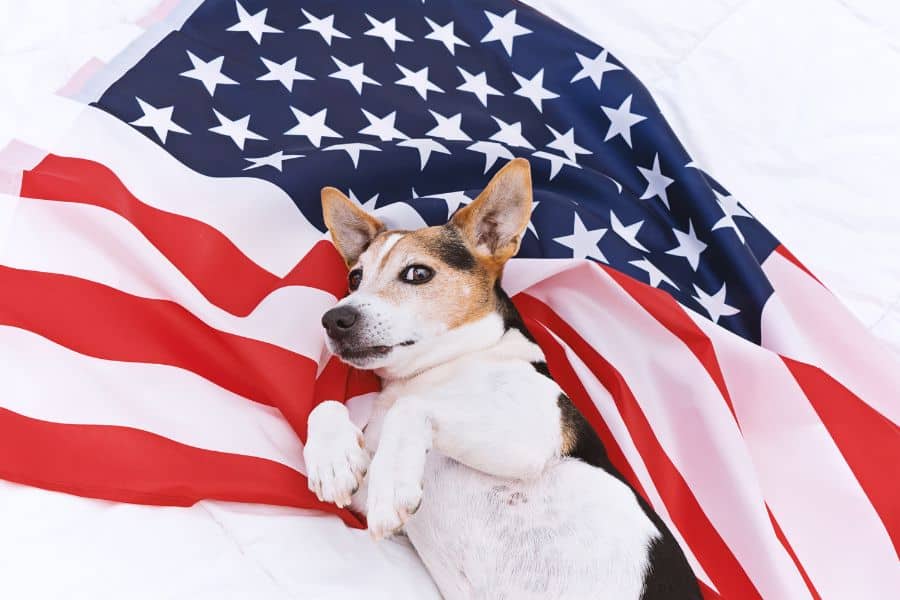
July 4th is a time for backyard cookouts, fireworks, family gatherings, and community celebrations. While these traditions bring excitement for people, they can create stress, fear, and unexpected dangers for pets. Loud noises, unfamiliar visitors, tempting holiday foods, and open doors all increase the risk of anxiety, injuries, or pets getting lost.
This guide shares what veterinarians recommend for pets during July 4th celebrations, including ways to prepare your home, reduce fireworks anxiety, keep dangerous foods away, and know when professional help is needed. A little planning helps your dog or cat stay safe while your family enjoys the holiday. These recommendations can help pet owners celebrate with greater confidence in Haymarket.
Why July 4th Can Be Stressful for Pets
The Fourth of July is one of the busiest times of the year for lost pets. Fireworks produce loud, sudden sounds that many animals cannot understand. Even calm pets may panic, hide, or attempt to escape.
Holiday parties also bring unfamiliar guests, children, decorations, and food. These changes interrupt your pet’s routine and may increase nervous behavior. Dogs and cats often feel safest when their daily schedule stays predictable.
Create a Safe Space Before Fireworks Begin
One of the best July 4th pet safety tips is preparing a quiet area before the celebrations start.
Choose a comfortable room inside your home where your pet already feels secure. Close windows and curtains to reduce flashes of light. Turn on a television, calming music, or a fan to soften outside noises.
Place your pet’s favorite bed, blankets, toys, fresh water, and treats in the room. Staying nearby for a while can also provide reassurance if your pet seeks comfort.
Keep Pets Indoors
Even pets that normally spend time outside should remain indoors throughout the evening. Fireworks can trigger panic within seconds, causing dogs or cats to jump fences or run through open gates.
Check that doors, windows, and fences are secure before guests arrive.
Update Identification Before the Holiday
Every pet should wear a collar with a current identification tag.
Microchip information should also be updated with your latest phone number and address. If your pet becomes separated during July 4th celebrations, current identification greatly improves the chances of a safe reunion.
Take a recent photo of your pet before the holiday as an extra precaution.
Watch What Your Pet Eats
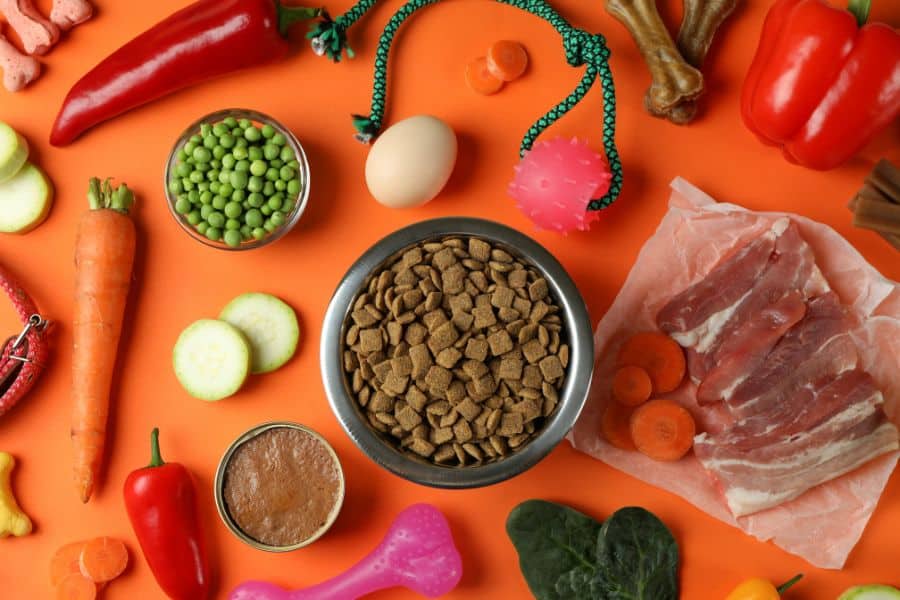
Holiday cookouts often include foods that are unsafe for pets.
Keep pets away from:
- Cooked bones
- Corn cobs
- Chocolate desserts
- Grapes and raisins
- Onions and garlic
- Alcoholic drinks
- Fatty meats
- Foods containing xylitol
Ask guests not to feed table scraps to your pet. Even small amounts of rich food may cause stomach upset or more serious health problems.
Help Reduce Fireworks Anxiety
Many pet owners search for ways to manage fireworks anxiety in dogs and cats. Every pet responds differently, so finding the right approach may take time.
Helpful Ways to Calm Pets
- Exercise your dog earlier in the day.
- Feed meals at the usual time.
- Close curtains before dark.
- Offer puzzle toys or long-lasting treats.
- Stay calm and avoid reacting to fireworks.
- Keep your pet inside until the celebrations are completely over.
Pets often look to their owners for reassurance. Maintaining a relaxed routine helps many animals settle more comfortably.
Talk to Your Veterinarian Before July 4th
Some pets experience severe fear during fireworks every year. If your dog or cat shows extreme anxiety, pacing, shaking, destructive behavior, or attempts to escape, speak with your veterinarian before the holiday.
They may recommend calming products, behavior strategies, or medications that are appropriate for your pet’s specific needs. Planning allows enough time to determine what works best before Independence Day arrives.
Be Careful With Decorations
Flags, glow sticks, sparklers, balloons, and decorative items may attract curious pets.
Glow sticks and fireworks contain chemicals that can irritate the mouth if chewed. Sparklers remain extremely hot after use and may burn paws or mouths.
Dispose of all fireworks safely and clean your yard once the celebration ends.
Traveling During the Holiday
If your family plans to travel for the Fourth of July, prepare your pet in advance.
Pack food, medications, water, bowls, waste bags, and familiar bedding. Secure dogs with a travel harness or crate. Cats should always travel inside a secure carrier.
Never leave pets alone inside a parked vehicle, even for a short time.
Know When Your Pet Needs Medical Attention
Some situations require prompt professional care after the July 4th celebrations.
Watch for signs such as repeated vomiting, difficulty breathing, burns, extreme anxiety that continues for hours, injuries, or eating fireworks or dangerous foods.
Quick attention often prevents more serious complications and supports a faster recovery.
If your pet shows signs of fear, illness, or injury before or after the holiday, book an appointment with your veterinary team for personalized care and guidance.
Conclusion
July 4th should be memorable for happy family moments, not emergencies. Preparing early, creating a safe environment, keeping harmful foods away, and recognizing signs of stress all help protect your pet during the holiday. Small preventive steps make a meaningful difference in your companion’s comfort and safety. If you’re located in Haymarket, Dominion Valley Animal Hospital offers compassionate support where community and personalized pet care come together to help keep your beloved companion healthy and safe throughout the Fourth of July season.
Frequently Asked Questions(FAQs):
1. Why are fireworks so frightening for pets?
A: Fireworks create loud, unpredictable sounds and bright flashes that many pets cannot understand. These sudden sensations often trigger fear, causing pets to hide, shake, bark excessively, or attempt to escape from their surroundings.
2. Should I keep my pet inside during the July 4th celebrations?
A: Yes. Keeping pets indoors is one of the safest recommendations. Even well-trained pets may panic because of fireworks and run away. Secure doors, windows, and gates before celebrations begin to prevent accidental escapes.
3. Can I take my dog to a Fourth of July fireworks event?
A: Most veterinarians recommend leaving pets at home during fireworks displays. Crowds, loud noises, and unfamiliar surroundings can create overwhelming stress and increase the risk of your dog becoming frightened or lost.
4. What foods should my pet avoid during Independence Day cookouts?
A: Pets should avoid cooked bones, chocolate, grapes, raisins, onions, garlic, alcohol, fatty meats, corn cobs, and foods containing xylitol. These foods may cause digestive problems or serious health complications requiring medical attention.
5. How can I help reduce my pet’s fireworks anxiety?
A: Create a quiet room, close curtains, play calming background noise, provide favorite toys, and maintain your normal routine. Pets with severe anxiety may benefit from professional guidance before the holiday begins.
6. When should I contact a veterinarian after July 4th?
A: Seek medical care if your pet experiences burns, breathing problems, repeated vomiting, serious injuries, prolonged anxiety, or consumes fireworks, toxic foods, or other harmful materials. Prompt treatment helps prevent more serious complications.