5371 Merchants View Square, Haymarket, VA 20169

A healthy pet isn’t just a product of quality food and vet visits—daily routines play a vital role too. Pets thrive on structure, just like people do. Whether you’re raising a spirited puppy, a curious kitten, or a senior dog or cat, crafting a thoughtful and consistent daily routine can boost their physical health, ease anxiety, and deepen the bond you share.
Let’s dive into how you can build a simple yet powerful daily plan that keeps your furry companion happy, healthy, and thriving.
1. Rise and Shine: Start the Day with a Routine
Your pet looks forward to seeing you in the morning, and their routine starts when yours does. Begin with a brief walk for dogs or a few minutes of play for cats. This not only stimulates their senses but also helps them release pent-up energy.
Pro Tip: Make it a habit to wake up at the same time each day. This can really help you establish a solid routine! A consistent morning sets the tone for the rest of the day and minimizes stress-related behaviors like whining or scratching.
2. Fuel for the Day: Scheduled Mealtimes Matter
Feeding your pet at the same time every day helps keep their digestion on track and stops them from overeating. Morning and evening meals are ideal, though some pets (especially younger ones) may need an extra midday snack.
Make sure to:
- Measure portions based on your pet’s weight and activity level.
- Choose species-appropriate, high-quality pet food.
- Always provide access to fresh water.
If you’re unsure about the best food or serving sizes, your vet hospital in Haymarket can guide you based on your pet’s unique health needs.
3. Get Moving: Daily Physical Activity
Exercise isn’t just for weight control—it’s essential for mental stimulation and behavioral balance. Without it, pets can develop issues like chewing, barking, or clawing.
- Daily ideas to keep them active:
- Dogs: Walks, fetch, agility games, or tug-of-war.
- Cats: Wand toys, laser pointers, or vertical climbing towers.
Try to schedule at least 30–60 minutes of activity a day, depending on your pet’s breed and age.
4. Midday Breaks: A Chance to Reset
If you’re away during the day, consider hiring a pet sitter or arranging a midday potty break for dogs. For cats, interactive toys or food puzzles can help fill the void.
Also, leave calming music or pet-friendly TV on to ease separation anxiety.
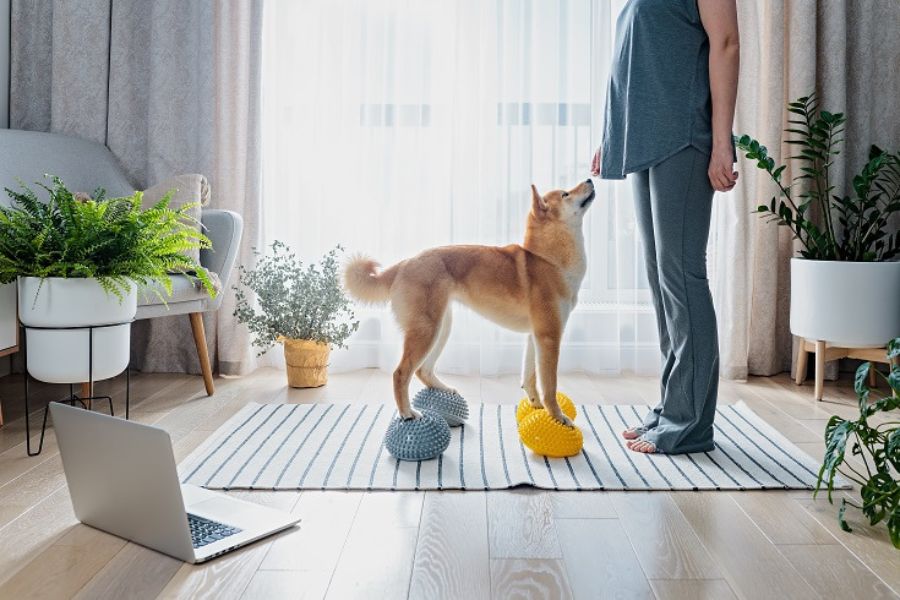
5. Mind Matters: Don’t Skip Mental Enrichment
Mental stimulation prevents boredom and can even delay cognitive decline in older pets. Just 15 minutes a day can make a huge difference.
Try these ideas:
- Puzzle feeders and treat balls.
- Scent games like “find the treat.”
- Teaching new tricks or commands.
Training sessions are especially useful for high-energy dogs who crave mental challenges just as much as physical ones.
6. Evening Bonding Time: Winding Down Together
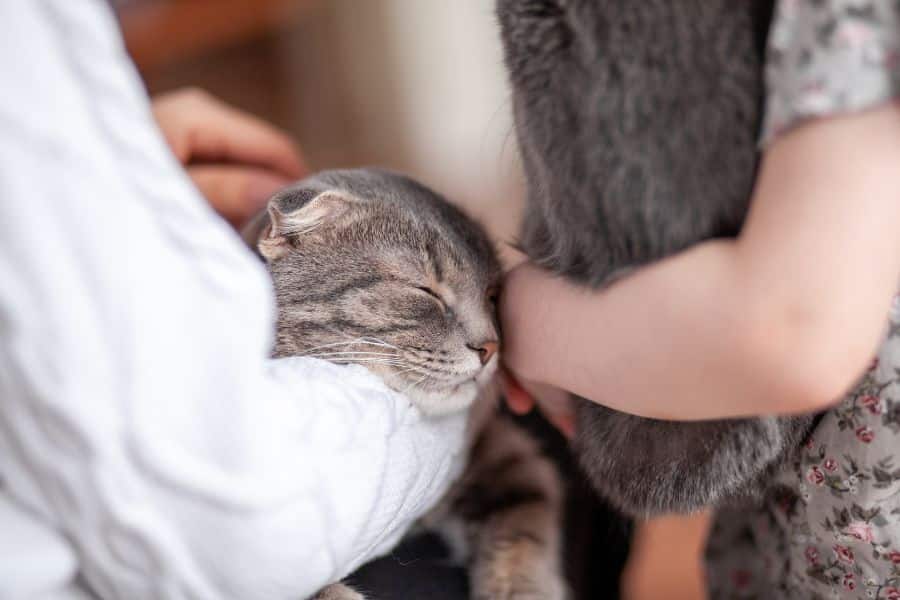
As the day ends, your pet craves closeness. Snuggle on the couch, groom their coat, or give them a gentle massage. These small acts help release oxytocin—the bonding hormone—for both of you.
Cats often enjoy brushing, while dogs love a good belly rub or ear scratch. This time also allows you to check for any unusual lumps, bumps, or discomfort.
7. Consistent Sleep Schedule
Just like humans, pets need uninterrupted sleep to stay healthy. Dogs typically sleep 12–14 hours a day, while cats can snooze up to 16 hours.
Create a restful sleep environment:
- A clean, cozy bed in a quiet spot.
- Dim lighting during bedtime hours.
- No stimulating activities right before sleep.
Stick to the same bedtime to help regulate your pet’s internal clock and encourage a restful night.
8. Weekly Check-ins: Routines Aren’t One-Size-Fits-All
Every pet is unique. What works for one may not suit another. That’s why it’s helpful to do weekly check-ins to evaluate:
- Is your pet eating too fast or too little?
- Are they still enthusiastic about walks?
- Do they show signs of boredom or stress?
These questions help you fine-tune the routine based on real-life feedback from your pet’s behavior and energy levels.
9. Partner with a Vet for Long-Term Wellness
Even the best routine needs occasional adjustments. As your pet ages or goes through life changes, their needs evolve. That’s why regular visits to a vet in Haymarket are crucial. By focusing on preventive care, scheduling wellness exams, and having behavior consultations, you can keep yourself one step ahead.
Incorporating your vet’s advice into your daily schedule ensures your pet gets a holistic approach to health—one that includes nutrition, activity, behavior, and emotional care.
Final Thoughts: Routine Is the New Love Language
Building a daily routine isn’t about rigid schedules—it’s about consistency, care, and communication. Pets are creatures of habit, and when they know what to expect, they feel safer and happier. In return, you’ll notice better behavior, improved health, and a deeper connection.
Remember: every meal, walk, playtime, and snuggle is an opportunity to show love and build trust.
So, start today. Create a routine that not only fits your lifestyle but also gives your pet the happy, healthy life they deserve.