5371 Merchants View Square, Haymarket, VA 20169

Responsible pet ownership goes far beyond providing food, water, and shelter. One of the most impactful decisions pet parents can make is spaying or neutering their dogs and cats. Not only does this choice help control the pet population, but it also contributes directly to your pet’s health, happiness, and longevity.
By understanding what spay and neuter mean, the differences between them, and when and where to have the procedure done, you’ll be better equipped to give your furry family members the healthiest life possible.
What Does Spay Neuter Mean?
The terms “spay” and “neuter” are often used interchangeably, but they both refer to surgical procedures that prevent animals from reproducing.
- Spaying refers to the surgical removal of the ovaries (and often the uterus) in female animals.
- Neutering typically describes the surgical removal of the testicles in male animals.
Both procedures are performed under anesthesia by a licensed veterinarian. They are safe, routine surgeries with long-term benefits for pets and their families.
Spot the Difference: What Is the Difference Between Spay and Neuter?
While spaying and neutering serve the same purpose—preventing reproduction—their procedures and benefits have some differences.
| Spay (Female Pets) | Neuter (Male Pets) |
| Surgical removal of the ovaries and uterus | Surgical removal of testicles |
| Eliminates heat cycles | Eliminates roaming for mates |
| Prevents ovarian and uterine diseases | Prevents testicular cancer |
| Reduces the risk of mammary tumors | Reduces marking and aggression |
In short, spaying prevents pregnancy and hormone-driven issues in females, while neutering reduces reproductive urges and health risks in males. Both ultimately contribute to longer, healthier lives.
When Can You Spay and Neuter Cats and Dogs?
Timing plays an important role in spaying and neutering. While the procedures can be done at various ages, veterinarians often recommend early surgery to maximize health benefits.
Dogs
- Small-breed dogs can usually be spayed or neutered as early as 6 months of age.
- Large-breed dogs may benefit from waiting until 12–18 months, as their growth plates take longer to develop.
Cats
- Kittens can be safely spayed or neutered as young as 8 weeks old, provided they weigh at least 2 pounds.
- Adult cats can also undergo the procedure at any age, though earlier is generally better to prevent unwanted litters.
Consulting your veterinarian is essential because each pet’s health, breed, and lifestyle may influence the ideal timing.
The Overlooked Yet Powerful Health Benefits
Spaying and neutering do more than prevent unexpected puppies and kittens. They significantly improve overall health and behavior.
1. Lower Risk of Certain Cancers
- Females: Spaying before the first heat reduces the risk of mammary tumors, which can be malignant. It also prevents uterine and ovarian cancers.
- Males: Neutering prevents testicular cancer and reduces the risk of prostate issues.
2. Fewer Hormone-Driven Behaviors
Pets driven by hormones may roam, fight, or display aggressive behaviors. Neutered males are less likely to mark territory indoors or run off in search of mates. Spayed females no longer go into heat, which means fewer yowling nights and no mess around your home.
3. Longer Lifespan
Studies show that spayed and neutered pets tend to live longer, healthier lives. Reduced risk of disease and accidents caused by roaming both contribute to increased longevity.
4. Preventing Costly Emergencies
Spaying prevents pyometra, a life-threatening uterine infection common in older unspayed females. Emergency treatment for this condition can be risky and expensive—far more than the cost of preventive surgery.
From Where Should Spaying or Neutering of Your Pets be Done?
Choosing the right veterinary clinic is just as important as the decision itself. A trusted, experienced veterinary hospital ensures your pet receives advanced surgical care and a safe recovery.
✨ If you are conveniently located in Haymarket, VA, and searching for the best spay & neuter service near me, Dominion Valley Animal Hospital is the right choice for compassionate, advanced, and reliable pet care. Their team is dedicated to creating a stress-free environment and providing the highest level of medical expertise for every pet.
Local veterinary hospitals like Dominion Valley Animal Hospital also provide wellness exams, vaccinations, and preventive care to keep your pet healthy before and after surgery.
Common Myths About Spaying and Neutering
Even though spay and neuter procedures are widely recommended, myths often discourage pet owners. Let’s clear them up.
- Myth 1: My pet will gain weight.
Reality: Weight gain happens from overfeeding and lack of exercise—not from spaying or neutering. - Myth 2: It changes their personality.
Reality: Your pet’s loving nature won’t change. In fact, many undesirable behaviors may improve. - Myth 3: It’s better to let a female have one litter first.
Reality: This belief is false. Spaying before the first heat provides the most health benefits.
The Bigger Picture: Helping the Pet Community
By spaying and neutering, you’re not just improving your pet’s health—you’re also helping the larger pet community. Millions of dogs and cats enter shelters every year, and sadly, many are euthanized due to overpopulation. Choosing to spay or neuter reduces the number of unwanted litters, giving more animals a chance at a loving home.
Recovery: What Pet Owners Can Expect
After surgery, most pets recover quickly with proper care. You may need to:
- Restrict physical activity for 7–10 days.
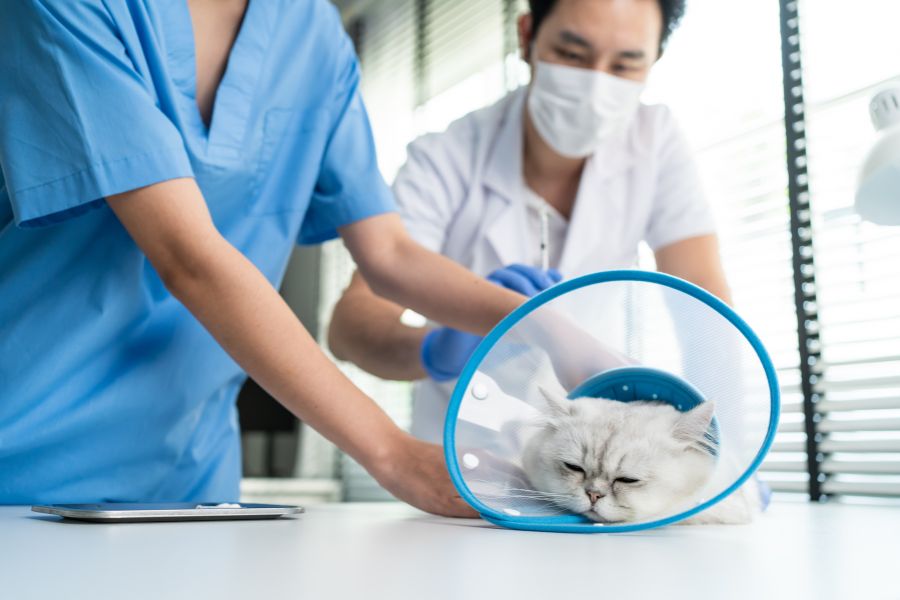
- Prevent licking or chewing of the incision site by using an e-collar.
- Monitor for swelling, redness, or discharge.
- Follow up with your veterinarian for a recheck.
With proper post-surgical care, your pet will bounce back in no time—healthier and happier than ever.
Spaying and neutering are not just routine surgeries—they’re acts of love and responsibility. From reducing health risks to preventing overpopulation, these procedures create lasting benefits for both pets and communities. By understanding what spay and neuter mean, their differences, the right timing, and where to have them done, you can make a decision that ensures your furry companion enjoys a longer, healthier life.