5371 Merchants View Square, Haymarket, VA 20169

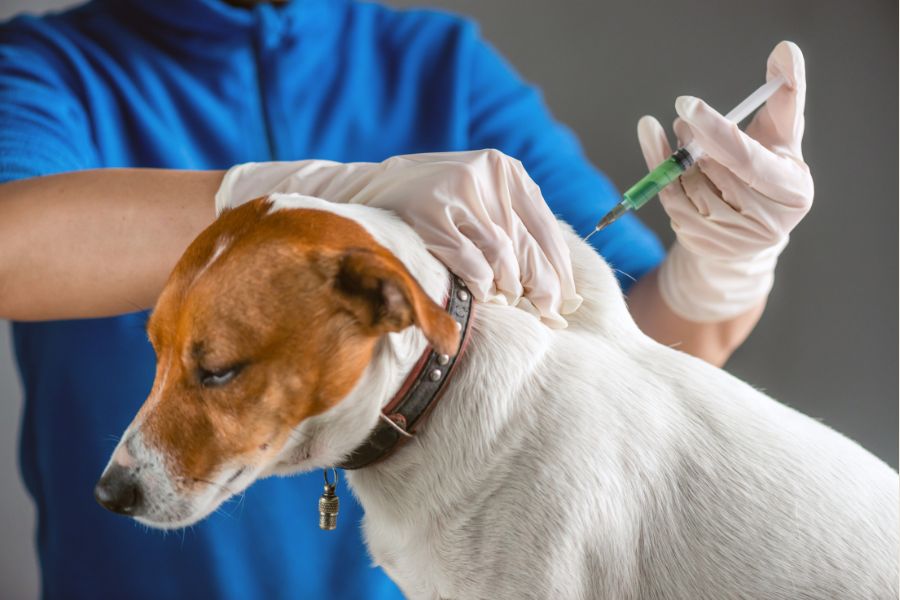
When you bring a dog into your home, you take on a promise—to protect their health for years to come. One of the most important steps in that promise is understanding core vaccines for dogs. These vaccines guard against diseases that are serious, highly contagious, and sometimes fatal.
Many pet owners feel unsure about what their dog truly needs. Is every vaccine required? Are they safe? When should they be given? This guide breaks it all down in plain language so you can make informed choices about your dog’s preventive care.
Let’s start with the basics.
What Are Core Vaccines for Dogs?
Core vaccines are immunizations recommended for all dogs in the United States, no matter their breed, size, or lifestyle. They protect against diseases that:
- Spread easily between animals
- Causes severe illness or death
- Can pose risks to people
- Are common across many regions
Veterinary organizations across the country agree on which vaccines fall into this category. While your dog’s exact schedule may vary slightly, the protection goals remain the same.
Why Vaccines Matter in Dog Preventive Care
Vaccines train your dog’s immune system to recognize and fight harmful viruses or bacteria before they cause illness. Think of them as practice drills for your dog’s body.
Without proper dog preventive care, diseases like parvovirus and distemper can spread quickly in parks, boarding facilities, shelters, and neighborhoods. Rabies remains a legal requirement in most states because it can affect humans as well.
Vaccination is not about over-treating. It is about reducing risk in a smart and balanced way.
The Core Vaccines Explained
Let’s look at each major vaccine and what it protects against.
1. Rabies Vaccine
What it protects against: Rabies virus
Why it matters: Rabies is fatal and can spread to humans
Rabies attacks the nervous system. Once symptoms appear, survival is rare. The virus spreads through bites from infected animals such as raccoons, bats, foxes, or other dogs.
Most states legally require rabies vaccination. Puppies usually receive their first rabies shot around 12 to 16 weeks of age, followed by a booster one year later. After that, boosters are often given every one to three years, depending on state law and vaccine type.
Rabies vaccination protects your dog and your community. It is a cornerstone of responsible dog ownership.
2. Distemper Vaccine
What it protects against: Canine distemper virus
Why it matters: Highly contagious and often deadly
Distemper spreads through respiratory droplets, similar to how colds spread in people. It affects the lungs, stomach, and nervous system. Symptoms may include:
- Fever
- Coughing
- Vomiting
- Diarrhea
- Seizures
Young puppies are especially vulnerable. The virus can cause lasting brain damage in dogs who survive.
Distemper is usually included in a combination shot known as the DAPP or DHPP vaccine.
3. Parvovirus Vaccine
What it protects against: Canine parvovirus
Why it matters: Severe gastrointestinal disease with high death rates in puppies
Parvo spreads through contaminated surfaces, soil, and feces. It can live in the environment for months. This makes it one of the toughest viruses to control.
Symptoms often appear suddenly:
- Severe vomiting
- Bloody diarrhea
- Extreme weakness
- Loss of appetite
Parvo hits puppies hardest, but unvaccinated adult dogs can get it too. Hospital treatment is often required, and care can be intensive.
Vaccination has greatly reduced parvo cases across the country, but outbreaks still happen in areas with low vaccine coverage.
4. Adenovirus (Canine Hepatitis)
What it protects against: Canine adenovirus type 1
Why it matters: Affects the liver and other organs
This virus can cause liver damage, abdominal pain, fever, and bleeding problems. It spreads through urine, saliva, and feces from infected dogs.
Most combination vaccines include protection against the adenovirus. Vaccination has made this disease far less common than it once was.
Understanding the Puppy Vaccine Schedule
Puppies are not born with full protection. They receive some antibodies from their mother, but that protection fades over time.
That is why puppies receive a series of shots, usually starting around 6 to 8 weeks old. Boosters are given every 3 to 4 weeks until they are about 16 weeks old.
A typical schedule includes:
- DAPP combination vaccine every few weeks
- Rabies vaccine at 12–16 weeks
- Booster shots at one year
Your veterinarian may adjust timing based on your local area and your puppy’s health history.
What About Adult Dogs?
Adult dogs need boosters to maintain immunity. Immunity decreases over time. Skipping boosters can leave your dog vulnerable again.
If you adopt an adult dog with an unknown history, your veterinarian may recommend restarting certain vaccines to ensure full protection.
Core vaccines for dogs remain important throughout life, not just during puppyhood.
Are Core Vaccines Safe?
Safety is a common concern among dog owners. Vaccines go through strict testing before approval. Serious reactions are rare.
Mild side effects may include:
- Soreness at the injection site
- Low energy for a day
- Mild fever
Severe reactions such as facial swelling, vomiting, or collapse are uncommon but require immediate medical care.
Your veterinarian weighs risks and benefits carefully. For most dogs, the risk of disease is far greater than the risk of vaccination.
How Lifestyle and Location Affect Risk
While core vaccines are recommended for all dogs, your location in the United States can influence disease exposure. Rural areas may have higher wildlife contact. Urban areas may see more exposure in dog parks or boarding facilities.
Climate also plays a role. Warmer regions may see year-round disease risk. This is why dog preventive care plans should reflect where you live and how your dog spends time.
An indoor dog still needs core vaccines. Viruses can travel on shoes, clothing, and other animals.
Common Myths About Dog Vaccines
Let’s clear up a few misunderstandings.
Myth: 1
My dog never leaves the house, so vaccines are not needed.
Viruses like parvo can survive on surfaces and enter homes easily.
Myth: 2
Small breeds need fewer vaccines.
Breed size does not change disease risk for core illnesses.
Myth: 3
Natural immunity is better.
Natural infection with diseases like distemper or parvo can cause lifelong damage or death.
Vaccination offers protection without forcing your dog to suffer through the disease.
How to Keep Track of Vaccines
Good records matter. Keep a copy of your dog’s vaccination history. Many boarding facilities, groomers, and training programs require proof of rabies and other immunizations.
Set reminders for booster dates. Staying consistent helps avoid gaps in protection.
Routine wellness visits give you a chance to review your dog’s preventive care plan and adjust as needed.
Making an Informed Decision
Vaccination decisions should be based on clear facts, not fear. Core vaccines for dogs protect against diseases that remain present in the U.S. Even with modern medicine, treatment can be costly and not always successful.
Ask questions during your appointment. Understand what each vaccine does and why it is recommended. Transparency builds trust and helps you feel confident in your choices.
Conclusion: Protecting Your Dog for the Long Term
Your dog depends on you for safety, comfort, and health. Vaccines are one of the simplest and most effective tools available to protect them from serious illness.
Rabies, distemper, parvo, and adenovirus are not rare threats. They continue to appear in communities across America. Staying current with core vaccines for dogs keeps your pet protected and supports responsible dog preventive care nationwide.
If you have questions about timing, safety, or your dog’s individual risk, talk with a licensed veterinarian and schedule a consultation with us. A clear plan today can prevent heartbreak tomorrow.
Your dog gives you loyalty every day. Protecting their health is one way to return that loyalty.
Frequently Asked Questions (FAQs)
1. At what age should puppies start core vaccines?
Most puppies begin their first combination vaccine between 6 and 8 weeks of age. Boosters continue every few weeks until around 16 weeks old.
2. How often does a dog need a rabies shot?
After the initial puppy shot and one-year booster, rabies vaccines are typically given every one to three years, depending on state law and vaccine type.
3. Can adult dogs skip boosters if they were vaccinated as puppies?
No. Immunity fades over time. Boosters are needed to maintain protection.
4. What should I watch for after vaccination?
Mild tiredness or soreness is common. Seek veterinary care if your dog has swelling, repeated vomiting, difficulty breathing, or collapse.
5. Are core vaccines required by law?
Rabies vaccination is legally required in most U.S. states. Other core vaccines are strongly recommended for health protection.
6. Can my dog get sick even if vaccinated?
No vaccine is 100 percent perfect, but vaccinated dogs usually experience much milder illness if exposed. Vaccination greatly lowers the risk of severe disease.