5371 Merchants View Square, Haymarket, VA 20169

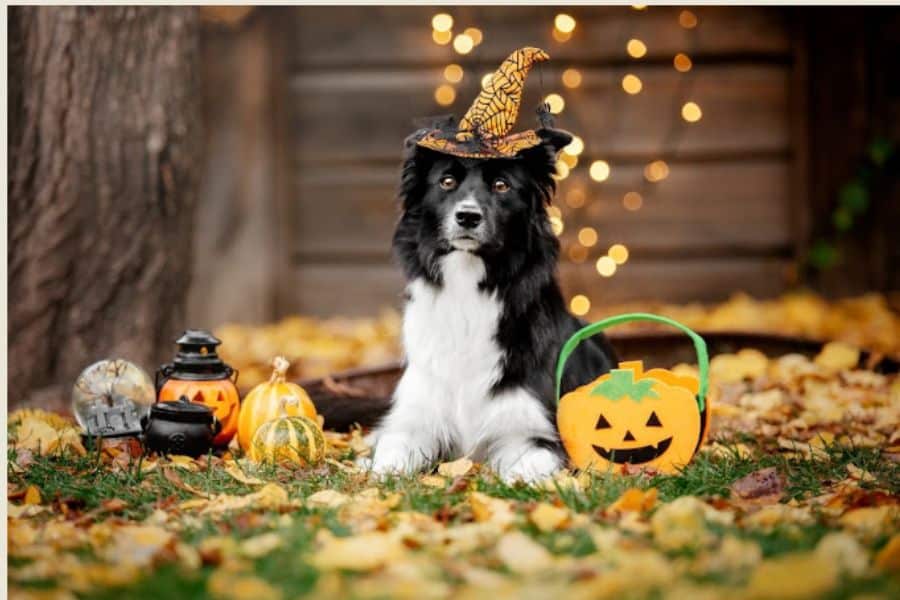
Halloween brings costumes, candy, and frequent visitors to the front door. While families enjoy trick-or-treating, the constant activity can overwhelm dogs and cats. Repeated doorbell rings, unfamiliar faces, and sudden noises may frighten pets or tempt them to slip outside.
Even pets that normally stay indoors may react unpredictably during Halloween. A frightened dog might run into traffic, while a startled cat could hide somewhere unfamiliar. These situations can lead to injuries, missing pets, and unexpected veterinary emergencies.
At our veterinary practice in Haymarket, we encourage pet owners to prepare for seasonal safety risks. Understanding why pets escape and taking preventive measures can help keep your companion safe throughout Halloween.
Why Do Pets Try to Escape During Halloween?
Dogs and cats may bolt through open doors because of fear, excitement, curiosity, or overstimulation. Halloween introduces unfamiliar situations that can trigger these reactions.
Common reasons include:
- Frequent doorbell ringing: Repeated interruptions may increase anxiety or excitement.
- Unfamiliar costumes: Masks and unusual clothing can make visitors appear threatening.
- Loud noises: Excited children, decorations, and outdoor activity may startle sensitive pets.
- Constant door openings: Every visitor creates another opportunity for an escape.
- Disrupted routines: Parties and household activity can make pets uncomfortable.
Some animals become restless near entrances, while others attempt to hide. Recognizing these behaviors helps owners prevent dangerous situations.
How Can You Prevent Door-Dashing During Trick-or-Treat Hours?
Preventing escapes requires planning before Halloween evening. A secure environment and consistent household rules can reduce the chances of your pet running outside.
Create a Quiet Room for Your Pet
Choose a comfortable room away from the front entrance. Include familiar bedding, toys, drinking water, and a litter box for cats.
Soft background music may help reduce outside noise. Allow your pet to settle before trick-or-treating begins.
Install a Second Barrier Near the Entrance
A securely installed pet gate or closed interior door provides additional protection.
Choose barriers appropriate for your pet’s size and behavior. Some dogs can jump over gates, while cats may climb them.
Keep Pets Away From Trick-or-Treaters
Avoid allowing pets to greet every visitor. Even friendly animals may become frightened by unfamiliar costumes or sudden movements.
Keep your pet in a secure room during busy hours. If your dog remains nearby, use a properly fitted harness and leash with direct supervision.
Consider Handing Out Candy Outside
Distributing candy from your porch or driveway reduces repeated door openings.
Keep your pet securely indoors and ensure candy, wrappers, and decorations remain inaccessible.
Update Your Pet’s Identification
Before Halloween, confirm that your pet has proper identification.
- Check collar tags for accurate contact information.
- Update microchip registration details.
- Keep a recent photograph of your pet.
- Verify your contact information with your veterinarian.
Microchips help identify lost animals when scanned, but they cannot track a pet’s location.
What Warning Signs Suggest Your Pet Might Bolt?
Pets often show behavioral changes before attempting to escape.
Watch for:
- Pacing or repeatedly approaching doors.
- Excessive barking, whining, or vocalizing.
- Hiding, trembling, or crouching.
- Flattened ears or a tucked tail.
- Panting without physical activity.
- Sudden attempts to move past visitors.
These behaviors may indicate anxiety, fear, or excitement.
If your pet appears uncomfortable, move them to a quieter environment. Avoid punishment, which may increase fear.
What Should You Do If Your Pet Escapes on Halloween?
If your dog or cat runs outside, responding calmly can improve your chances of finding them safely.
Stay Calm and Avoid Chasing
Chasing a frightened animal may cause it to run farther away. Speak calmly and use familiar commands when appropriate.
Avoid entering traffic or putting yourself in danger.
Search Nearby Hiding Places
Cats often hide beneath vehicles, behind bushes, or under porches. Dogs may follow familiar walking routes.
Ask neighbors to report sightings without chasing your pet.
Contact Animal Shelters and Veterinary Facilities
If your pet remains missing, notify local animal shelters, animal control, and nearby veterinary facilities. Share a recent photograph and your contact information. Report your pet missing to the microchip registry if applicable.
When Does a Halloween Escape Require an Urgent Care Visit for Your Pet?
Not every escaped pet needs immediate treatment. However, injuries and unusual symptoms should never be ignored.
Seek veterinary attention if your pet experiences:
- Difficulty breathing or collapse.
- Heavy bleeding or deep wounds.
- Severe limping or inability to walk.
- Persistent pain or unusual weakness.
- Pale gums or abdominal swelling.
- Seizures or loss of consciousness.
Pets struck by vehicles require emergency evaluation, even without visible injuries. Internal bleeding and other serious conditions may not produce immediate symptoms.
If your pet returns with minor scratches but behaves normally, contact your veterinarian for guidance.
Never administer human pain medications without veterinary instructions.
How Can Veterinary Care Help Pets Injured During an Escape?
Pets running through unfamiliar surroundings may encounter vehicles, sharp objects, fences, or other animals. Common injuries include cuts, bite wounds, fractures, and soft tissue damage.
Veterinary treatment depends on the injury’s severity. Our vets may recommend physical examinations, diagnostic testing, wound management, or pain relief.
Some injuries require surgical intervention. For example, deep wounds may need surgical cleaning and closure, while certain fractures require orthopedic procedures.
Our veterinary practice provides surgical services for conditions that require operative treatment. Our vets evaluate each pet’s condition before recommending an appropriate treatment plan. Severe injuries may require immediate care at an emergency veterinary facility.
How Can You Reduce Your Pet’s Halloween Anxiety?
Some pets become anxious before trick-or-treating begins. Preparing early can help them feel more comfortable.
Practice Door Manners
Teach your dog to move toward a designated resting area when someone approaches the entrance. Reward calm behavior and practice regularly before Halloween.
Maintain Familiar Routines
Keep feeding, walking, and resting schedules consistent. Familiar activities may help reduce stress.
Provide Safe Distractions
Offer appropriate toys, food puzzles, or enrichment activities to keep your pet occupied.
Speak With Your Veterinarian
Pets with severe anxiety may benefit from behavioral guidance or veterinarian-prescribed medication. Avoid giving calming supplements or human medications without veterinary approval.
Make Halloween Safer for Your Pet With Our Veterinary Team
Halloween should be enjoyable for families without putting pets at unnecessary risk. Creating a secure environment, maintaining identification records, and recognizing signs of anxiety can help prevent unexpected escapes.
At Dominion Valley Animal Hospital, we support pet owners through preventive care, medical evaluations, and treatment for injuries. Whether your pet needs guidance for anxiety or medical attention after an escape, our veterinary team is ready to help.
Contact our veterinary practice at (703) 753-4444 for an urgent care visit or to discuss your pet’s health concerns or schedule an appointment. Taking preventive steps today can help your companion remain safe and comfortable throughout Halloween.
Frequently Asked Questions
1. Why does my dog rush toward the door when someone rings the bell?
Dogs may associate doorbells with visitors, excitement, or unfamiliar activity. Halloween increases these triggers. Practicing calm behavior and restricting access to entrances can reduce escape risks.
2. How can I prevent my indoor cat from escaping during Halloween?
Keep your cat in a quiet room with familiar bedding, water, and a litter box. Secure windows and doors before visitors arrive.
3. Should I contact a veterinarian if my pet escapes but returns unharmed?
If your pet behaves normally and has no apparent injuries, immediate treatment may not be necessary. Contact your veterinarian if you notice pain, limping, weakness, or behavioral changes.
4. Can Dominion Valley Animal Hospital help pets injured during Halloween in Haymarket?
Yes. Dominion Valley Animal Hospital can evaluate injuries during regular operating hours and recommend appropriate treatment or referral. Contact our veterinary team before arriving.
5. Where can Haymarket pet owners get help managing Halloween-related anxiety?
Pet owners in Haymarket can contact Dominion Valley Animal Hospital for guidance. Our vets can assess behavioral concerns and recommend ways to help pets manage stressful situations.
6. Does Dominion Valley Animal Hospital offer surgery for pets injured near Gainesville?
Yes. Dominion Valley Animal Hospital provides surgical services for pets from Gainesville, Haymarket, and surrounding communities. Our vets assess injuries to determine whether surgery or other treatment is necessary.