5371 Merchants View Square, Haymarket, VA 20169

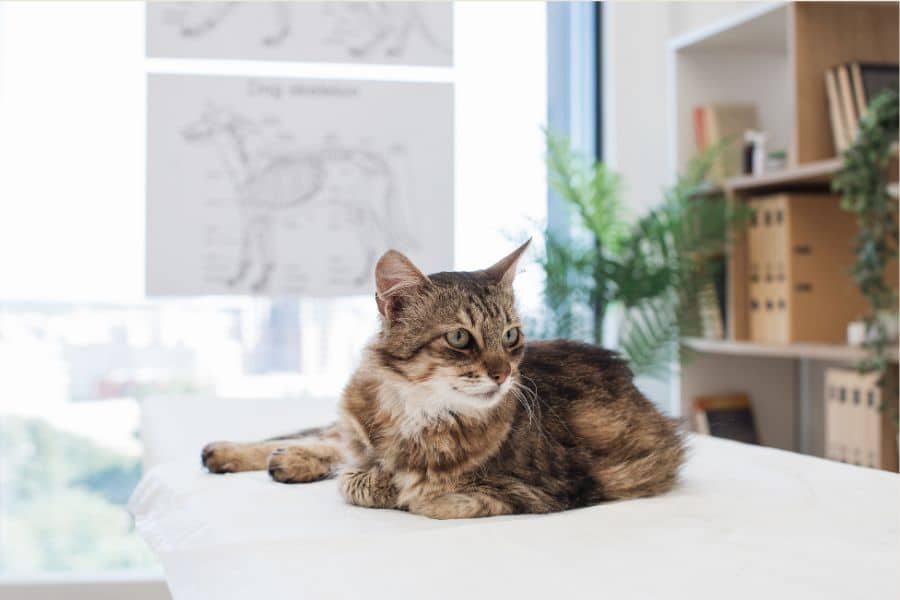
A cat with diarrhea for a day may have eaten something unusual. A cat with recurring or persistent loose stool needs a closer look. Chronic diarrhea in cats can involve food intolerance, parasites, intestinal inflammation, infections, organ disease, medication effects, or cancer.
The pattern, duration, stool appearance, appetite, weight, and other symptoms help identify the cause. This guide explains for cat owners what chronic diarrhea means, common causes, warning signs, diagnostic steps, treatment approaches, and ways to support digestive health at home.
What Counts as Chronic Diarrhea in Cats?
Chronic diarrhea generally means loose, watery, or poorly formed stool that continues for several weeks or repeatedly returns. Some cats pass stool more often, strain in the litter box, produce mucus, or have accidents outside the box.
Persistent diarrhea can cause dehydration, weight loss, poor nutrient absorption, and weakness. Kittens, senior cats, and cats with other health problems can become unwell faster.
Common Causes of Chronic Diarrhea in Cats
Food Intolerance or Dietary Problems
A cat can react poorly to a specific protein, ingredient, treat, supplement, or sudden diet change. Food intolerance may cause ongoing loose stool, vomiting, gas, itching, or changes in appetite. A carefully managed diet trial can help identify dietary triggers.
Intestinal Parasites
Giardia, roundworms, hookworms, and other parasites can cause diarrhea. Parasite testing can be useful even for indoor cats as exposure can occur through contaminated soil, water, litter, or other animals.
Inflammatory Bowel Disease
Inflammatory bowel disease involves ongoing inflammation within the digestive tract. Cats may develop diarrhea, vomiting, reduced appetite, weight loss, or changes in stool volume. The condition can resemble other intestinal disorders, diagnosis often requires several pieces of information.
Bacterial and Viral Infections
Testing may be recommended when infection is suspected.
Pancreatic, Liver, or Kidney Problems
Digestive changes can appear when organs outside the intestines are not functioning normally. Pancreatic disorders may interfere with digestion. Liver or kidney disease can affect appetite, hydration, metabolism, and stool quality. Blood testing can help uncover these conditions.
Cancer and Intestinal Tumors
Lymphoma and other intestinal cancers can cause chronic diarrhea, weight loss, vomiting, appetite changes, or abdominal discomfort. These signs overlap with less serious disorders. Persistent symptoms deserve evaluation without making assumptions about the cause.
Medication and Stress
Some medications can alter bowel movements. Stress from moving, boarding, household changes, conflict between cats, or unfamiliar environments can affect digestion. Stress should not automatically be blamed when diarrhea keeps returning.
Signs That Need Prompt Attention
Seek veterinary care when diarrhea lasts more than a few days, keeps recurring, or occurs with weight loss, repeated vomiting, weakness, fever, abdominal pain, reduced appetite, dehydration, or blood in the stool.
Black, tar-like stool can indicate digested blood and requires prompt attention. A cat that becomes very weak, collapses, cannot keep water down, or stops eating needs urgent assessment.
How Is Chronic Diarrhea Diagnosed?
Your veterinarian may ask about diet, treats, medications, stool frequency, duration, appetite, weight changes, water intake, and household changes.
A physical examination may be followed by fecal testing, blood work, urine testing, abdominal imaging, or additional intestinal tests. More complex cases may require endoscopy or biopsy.
Note the stool’s color, consistency, frequency, and any mucus or blood. Photos can help describe changes between visits.
Treatment for Chronic Diarrhea in Cats
Dietary management may involve a highly digestible food or a carefully selected novel-protein or hydrolyzed diet. Parasites require appropriate medication. Certain infections may need targeted treatment. Inflammatory conditions can require prescription therapy and monitoring.
Do not give human anti-diarrheal medicine unless a veterinarian specifically recommends it. Some products can be unsafe for cats or mask important symptoms.
Wet food may help increase fluid intake for cats that tolerate it.
What Can Cat Owners Track at Home?
Record meals, treats, medications every day, stool changes, vomiting, appetite, water intake, and body weight. A clear record can reveal patterns that are difficult to notice day to day.
Avoid making several diet changes at once. Sudden changes can complicate the picture and make it harder to identify a trigger.
If you are searching for a veterinarian near you, choose a clinic that can evaluate persistent gastrointestinal problems and provide appropriate testing.
Can Chronic Diarrhea Be Prevented?
Consistent nutrition, parasite prevention based on your cat’s needs, safe food handling, clean litter areas, fresh water, and routine health checks can reduce certain risks.
Cats often hide illness, and chronic digestive problems may begin with symptoms that seem minor.
Frequently Asked Questions(FAQs):
1. How long is too long for cat diarrhea?
A: Diarrhea lasting more than a few days deserves professional advice, especially if it returns. Persistent loose stool can cause dehydration or nutrient loss and may signal an underlying digestive, infectious, dietary, or systemic problem.
2. Why does my cat have diarrhea but seem normal?
A: Cats can remain active despite digestive disease. Mild food intolerance, parasites, or early intestinal inflammation may cause diarrhea ahead of other signs. Normal behavior does not rule out a condition requiring evaluation.
3. What should I feed a cat with chronic diarrhea?
A: A veterinarian may recommend a digestible, novel-protein, or hydrolyzed diet based on the suspected cause. Avoid frequent food changes, table scraps, and unfamiliar treats while the digestive problem is being investigated.
4. Can stress cause chronic diarrhea in cats?
A: Stress can change intestinal movement and stool consistency. Environmental changes may contribute to diarrhea, but recurring symptoms should not automatically be attributed to stress. Medical causes need consideration when diarrhea persists or repeatedly returns.
5. Is blood in cat diarrhea an emergency?
A: Blood can occur with intestinal irritation, inflammation, parasites, or other problems. Bright red blood and black, tarry stool have different implications. Significant bleeding, weakness, vomiting, or poor appetite warrants prompt professional assessment.