5371 Merchants View Square, Haymarket, VA 20169

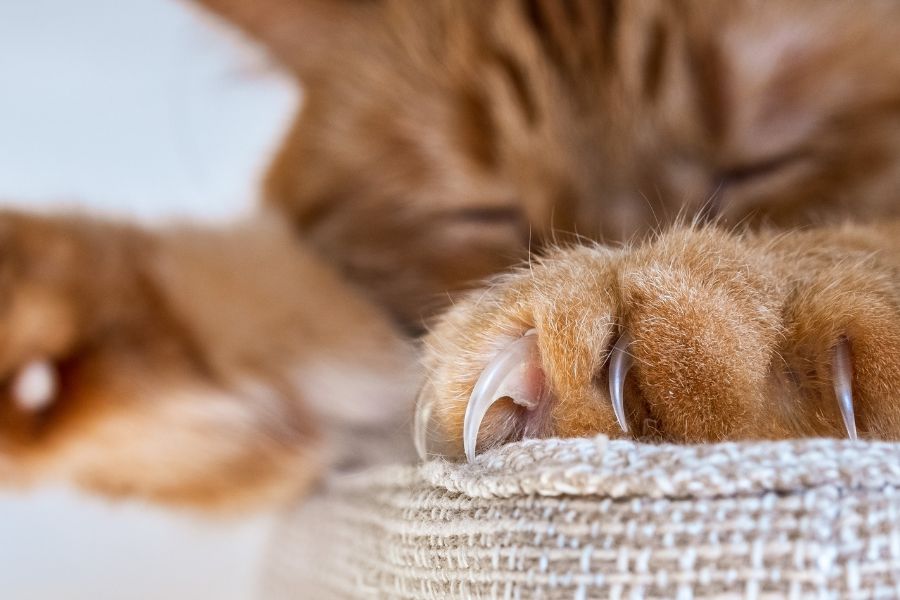
Cat scratching is one of the most common concerns among cat owners. Cats scratch to maintain healthy claws, stretch their muscles, mark territory, and relieve stress. The good news is that scratching itself is not a bad behavior. The real challenge is teaching your cat where to scratch.
This guide explains why cats scratch, how to choose the best scratching post, how to use mats and other alternatives, and how to train your cat to leave furniture alone. By understanding your cat’s natural needs and providing the right tools, you can protect your home while supporting your cat’s physical and emotional well-being.
Why Do Cats Scratch?
Scratching is a normal feline behavior. It serves several important purposes:
- Removes the outer layer of dead claw material
- Stretches the shoulders, back, and legs
- Leaves visual and scent marks
- Releases energy and reduces stress
- Helps cats feel secure in their environment
Understanding these motivations is the first step in solving unwanted scratching. Punishing a cat for scratching often creates fear and anxiety without addressing the underlying need.
Choosing the Best Scratching Post
Not all scratching posts are equally appealing to cats. Many cats ignore posts that are too short, unstable, or made from materials they dislike.
What Cats Prefer
- Height: The post should be tall enough for a full-body stretch.
- Stability: A wobbly post can discourage use.
- Texture: Sisal rope and natural fiber surfaces are popular choices.
- Location: Place posts near sleeping areas and favorite rooms.
Vertical vs. Horizontal Scratchers
Some cats love vertical posts, while others prefer horizontal scratching mats. Offering both styles increases the chance of success.
Using Scratching Mats Effectively
Scratching mats can be placed on floors, attached to walls, or wrapped around furniture corners. They work especially well for cats that enjoy scratching carpets or rugs.
Benefits of Scratching Mats
- Easy to place in problem areas
- Often less expensive than large posts
- Useful for senior cats that prefer low surfaces
- Can protect furniture while providing an approved scratching zone
How to Redirect Cat Scratching
Step 1: Identify Favorite Scratching Spots
Observe where your cat scratches most often. Common targets include sofas, carpets, door frames, and bed corners.
Step 2: Place an Appropriate Scratcher Nearby
Position a scratching post or mat directly next to the targeted item. Cats are more likely to switch if the alternative is immediately available.
Step 3: Make the Scratcher Attractive
- Sprinkle catnip on the post if your cat responds to it.
- Use toys to encourage interaction.
- Reward scratching with praise or treats.
Step 4: Make Furniture Less Appealing
- Cover corners with protective guards.
- Use double-sided tape designed for pets.
- Temporarily block access to problem areas.
Common Mistakes to Avoid
- Using only one scratching post: Many cats need multiple scratching areas throughout the home.
- Choosing a small post: Tiny posts often fail because cats cannot stretch fully.
- Placing scratchers in hidden locations: Cats usually prefer prominent, high-traffic areas.
- Yelling or spraying water: Punishment can increase anxiety and does not teach the desired behavior.
- Declawing: Declawing is a major surgery that can lead to pain and behavioral problems.
Creating a Cat-Friendly Environment
Scratching often increases when cats are bored, stressed, or competing for resources.
Environmental Enrichment Ideas
- Provide climbing trees and shelves
- Rotate toys regularly
- Offer window perches for bird watching
- Schedule daily interactive play sessions
- Ensure each cat has access to food, water, litter boxes, and resting areas
These changes can reduce stress-related scratching and improve overall behavior.
When Scratching Becomes Excessive
If your cat suddenly starts scratching far more than usual, consider possible causes such as stress, changes in the household, or discomfort. A health issue affecting mobility or behavior may also contribute. In these cases, seeking behavioral guidance and cat wellness support can help identify the underlying problem and create a tailored plan.
Training Tips That Actually Work
- Reward the desired scratching immediately.
- Keep treats near scratching stations.
- Use consistent placement of posts and mats.
- Trim your cat’s nails regularly if recommended by your pet care provider.
- Be patient. Most cats need several weeks to develop new habits.
Protecting Your Furniture While Training
Training takes time. During the adjustment period, you can:
- Use furniture covers
- Apply pet-safe deterrent tape
- Place scratching mats over vulnerable areas
- Keep attractive scratchers within easy reach
Consistency is more important than quick fixes.
The Bottom Line
Cat scratching is a natural and healthy behavior. The goal is not to stop scratching but to redirect it toward appropriate surfaces. Tall, stable scratching posts, horizontal mats, environmental enrichment, and positive reinforcement form the foundation of a successful plan. Avoid punishment, provide multiple scratching options, and give your cat time to adjust. With patience and the right setup, most cats can learn to leave furniture alone while still enjoying the benefits of scratching.
If you live in Haymarket and need personalized advice for a cat that won’t stop scratching, our team at Dominion Valley Animal Hospital is here to help. Book an appointment to discuss behavior, enrichment, and practical solutions for your home.
Frequently Asked Questions(FAQs):
1. Why does my cat scratch furniture instead of the scratching post?
A: Cats may prefer the texture, location, or stability of furniture. Try placing a sturdy scratching post directly next to the furniture and reward your cat whenever it uses the post.
2. What is the best scratching post for cats?
A: Most cats prefer a tall, stable post covered in sisal. The post should allow a full-body stretch and be placed in a frequently used area of the home.
3. Are scratching mats effective for stopping furniture scratching?
A: Yes. Scratching mats work well for cats that prefer horizontal surfaces. They can be placed on floors, attached to walls, or used to protect furniture corners.
4. How long does it take to train a cat to use a scratching post?
A: Many cats show improvement within a few weeks. Consistent placement, positive reinforcement, and making the post more appealing can speed up the process.
5. Should I punish my cat for scratching furniture?
A: No. Punishment can create fear and stress without teaching the desired behavior. Redirect scratching to approved surfaces and reward your cat for using them.
6. When should I seek professional help for excessive scratching?
A: Seek guidance if scratching suddenly increases, causes injury, or is accompanied by other behavioral changes. Stress, anxiety, or medical issues may be contributing factors.