5371 Merchants View Square, Haymarket, VA 20169


Identify Health Concerns in Cats With Diagnostic Lab
Diagnostic laboratory testing provides veterinarians with important information about your cat’s health. While physical exams help identify visible changes, laboratory tests reveal details about internal systems such as blood chemistry, immune function, and organ health.
At Dominion Valley Animal Hospital, our feline diagnostic lab services support early detection and accurate diagnosis. Testing allows veterinarians to identify medical concerns sooner and recommend appropriate treatment when needed. Cats are known for hiding signs of illness. Our cat diagnostic lab in Haymarket helps reveal health changes that may not yet be noticeable at home. In addition to serving pets in Haymarket, we also welcome cats from the nearby Gainesville community, providing convenient diagnostic care for families throughout the surrounding area.
How Diagnostic Testing Supports Feline Health
Laboratory tests provide insight into how the body is functioning. Changes in blood values, urine composition, or other samples can indicate underlying health concerns.
Diagnostic testing may help veterinarians:
- Detect infections and inflammatory conditions
- Evaluate liver and kidney function.
- Identify metabolic disorders
- Screen for parasites
- Monitor ongoing health concerns.
These insights help guide treatment decisions and preventive care strategies.
Types of Diagnostic Tests for Cats
Veterinary diagnostic laboratories perform several tests that help evaluate feline health.
Examples of diagnostic testing may include:
- Blood panels to evaluate organ health help veterinarians understand how major organs such as the liver and kidneys are functioning. These tests measure various chemical levels in the blood, which can reveal early signs of disease, inflammation, or metabolic changes that affect overall health.
- A complete blood count (CBC) examines the number and condition of red blood cells, white blood cells, and platelets. This information helps veterinarians detect infections, anemia, immune system responses, and other conditions that may influence a pet’s health.
- Urinalysis evaluates urine composition to assess kidney function, hydration status, and possible urinary tract concerns. It can also reveal abnormalities such as infection, crystals, or metabolic issues.
- Fecal testing helps identify intestinal parasites that may affect digestion and overall wellness.
- When recommended, disease screening tests help detect certain infectious diseases and support early diagnosis.
What to Expect During Diagnostic Testing
Diagnostic testing is designed to gather important health information about your cat while keeping the process simple and comfortable. Veterinarians select appropriate tests after considering your cat’s symptoms, age, lifestyle, and medical history to ensure the evaluation focuses on the most relevant health concerns.
- The appointment usually begins with a careful physical examination. The veterinarian observes your cat’s overall body condition, checks vital signs, and evaluates visible areas such as the eyes, ears, skin, and coat to determine whether additional diagnostic testing is necessary.
- If further evaluation is recommended, the veterinary team may collect small samples, such as blood or urine. These samples provide valuable insight into how internal organs and body systems are functioning.
- Depending on the situation, veterinarians may also perform diagnostic screenings that help identify infections, metabolic conditions, or other underlying health changes that could affect your cat’s well-being.
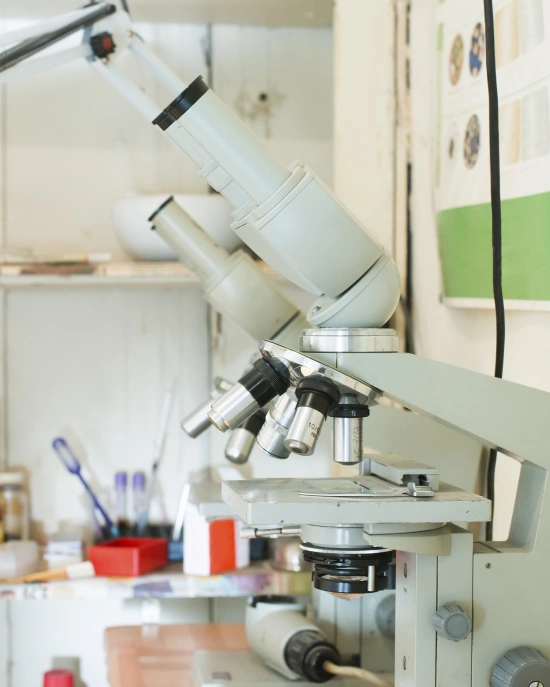
- The collected samples are then sent to a veterinary laboratory for analysis, where specialized equipment is used to evaluate blood chemistry, cell counts, and other important health indicators.
- Once the results are available, the veterinarian reviews the findings with you and discusses the next steps, including treatment recommendations, monitoring plans, or additional testing if needed.
Benefits of Diagnostic Lab Testing for Cats
Routine diagnostic testing helps support long-term feline wellness by identifying health concerns early.
Benefits may include:
- Early detection of hidden illness
- Monitoring of chronic health conditions
- Support for accurate medical diagnosis
- Evaluation of treatment progress
- Improved preventive care planning
These advantages help veterinarians maintain your cat’s long-term health.
Diagnostic Lab Care for Cats in Haymarket and Gainesville
Dominion Valley Animal Hospital offers a comprehensive cat diagnostic lab in Haymarket, serving clients in Haymarket and the surrounding Gainesville area. Located approximately 5 miles away, if you’re coming from Gainesville, take US-15 or I-66 for a 5 to 10-minute drive to our office in Haymarket, ensuring convenience for pet owners in the region.
Is your cat showing signs of illness? Diagnostic testing may help determine the cause of changes in your cat’s appetite, energy level, or behavior. Contact Dominion Valley Animal Hospital today to schedule a diagnostic lab evaluation for your cat.