5371 Merchants View Square, Haymarket, VA 20169

Your pet’s mouth tells a story about the rest of the body. Problems that start with plaque, sore gums, or bad breath can influence eating habits, energy levels, and comfort. This guide explains how oral care connects with daily wellness, what warning signs deserve attention, and what small habits at home can protect long-term health.
You will also learn when a professional exam is helpful and how local pet owners keep companions comfortable through simple routines. Understanding pet dental health helps families make informed choices and protect their companions from avoidable pain in Haymarket.
Why Oral Health Matters Beyond the Mouth
A healthy mouth supports normal eating, play, and sleep. Infected gums release bacteria that may travel through the bloodstream and place stress on organs. Pets with dental pain often hide discomfort, chew on one side, or avoid crunchy food.
Owners may notice drooling, pawing at the mouth, or sudden mood changes. A clean mouth reduces odor and supports steady nutrition. Strong teeth help pets chew properly, which supports digestion and energy. Oral comfort often reflects in brighter behavior, steady appetite, and easier daily routines.
1. Common Signs Pet Owners Should Notice
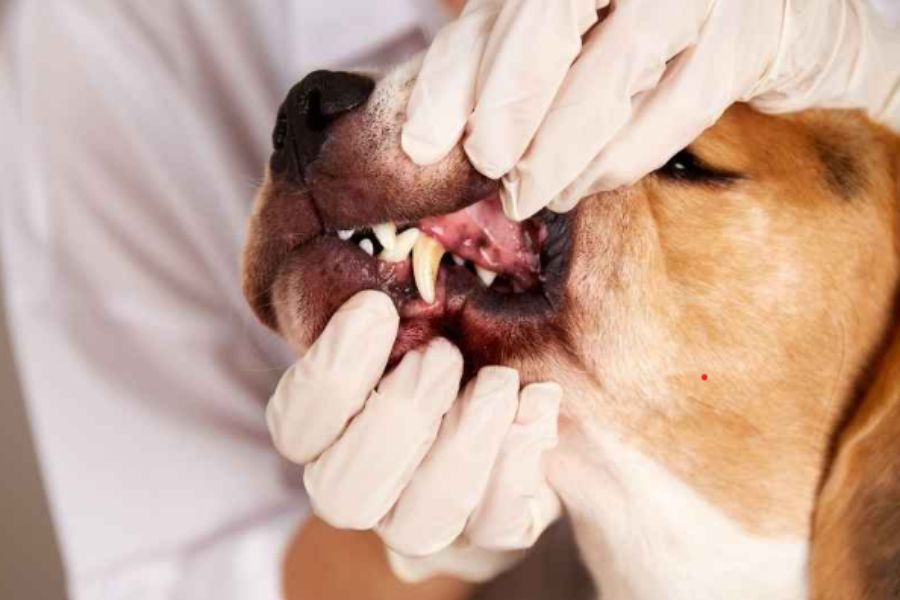
Early clues often appear during daily routines. Bad breath that lingers after meals can signal plaque buildup. Red gums, yellow deposits on teeth, and bleeding during chewing deserve attention. Some pets drop food from their mouths or chew slowly.
Others resist toys they once enjoyed. Weight loss may occur when eating becomes uncomfortable. Owners in busy households may miss these clues during quick feedings. A short weekly check of the mouth helps spot changes early and supports calm, confident care at home.
2. Everyday Habits That Protect Teeth
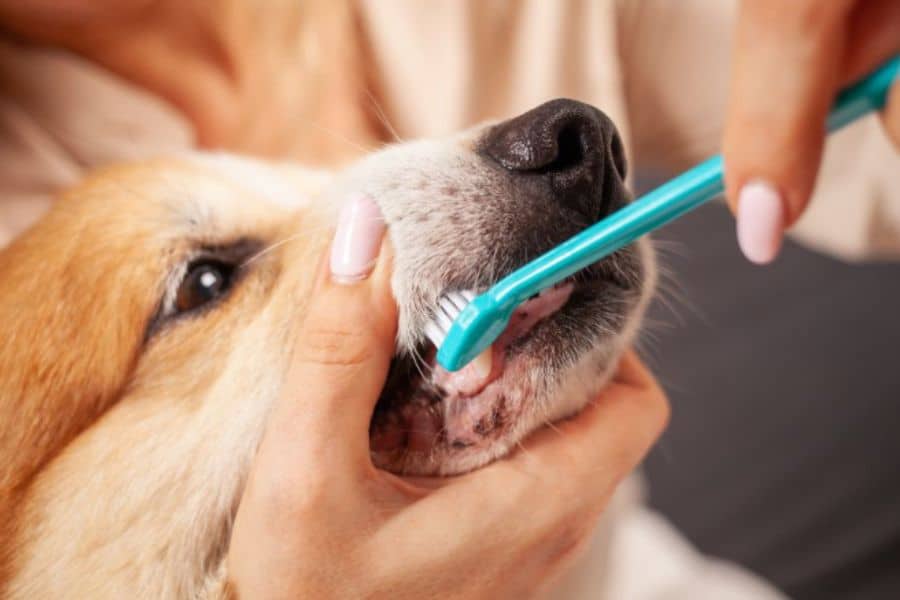
Consistent home care keeps problems from building. Gentle tooth brushing with pet-safe paste removes plaque before it hardens. Dental chews and textured toys help rub the tooth surface during play. Fresh water encourages natural rinsing after meals.
Balanced nutrition supports gum strength and tooth structure. Many pets accept brushing when owners start slowly and reward calm behavior. A quiet evening routine works well for many families. Small habits repeated each week create lasting protection.
Professional Care and Regular Checkups
Home routines support oral comfort, though professional care add a deeper level of protection. A trained team can examine the gum line, check for hidden fractures, and remove hardened buildup that brushing cannot reach.
This stage of care protects pet dental health and prevents minor irritation from growing into a painful infection. Many clinics also guide owners on brushing techniques, diet choices, and chew options. Clear communication helps families feel confident about each step of care.
Local Pet Lifestyle and Dental Risks
Pets living in suburban neighborhoods often enjoy yard time, park walks, and shared treats during family gatherings. Sticky snacks and table scraps can cling to teeth and speed plaque formation. Dogs that chew sticks or hard objects may crack teeth during outdoor play.
Busy workdays also shorten grooming routines. Setting reminders for brushing or chew time helps maintain balance. Community awareness events at local clinics often encourage preventive care and friendly conversations about daily pet routines.
Helping Your Pet Feel Comfortable With Oral Care
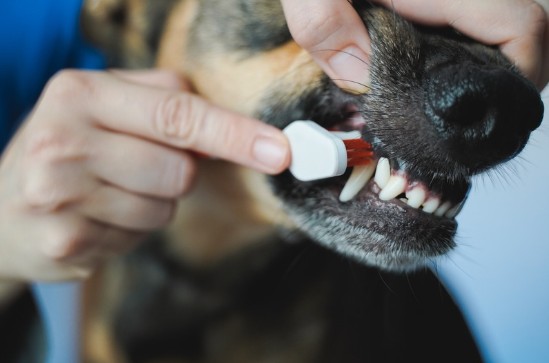
Some pets resist mouth handling at first. Patience and positive reinforcement build trust. Start with gentle lip lifts and brief touches along the gums. Offer praise after each calm moment. Gradually introduce a soft brush and flavored paste designed for pets.
Keep sessions short and relaxed. Consistency builds familiarity. Owners who stay calm often notice pets becoming cooperative over time. Oral care then becomes another shared routine that supports comfort and bonding.
Curious about the full range of care available for your companion? Visit our website to explore preventive exams, wellness plans, nutrition guidance, and other services designed to support lifelong comfort. Reading through these resources can help you understand how each service contributes to better daily health and happier routines for your pet.
Conclusion
Protecting your pet’s oral hygiene plays a meaningful role in long-term comfort, appetite, and daily happiness. Simple habits such as brushing, healthy treats, and routine exams help prevent hidden pain and support overall wellness throughout every life stage.
We are conveniently located in Haymarket, VA, and welcome you to our facility at 5371 Merchants View Sq, Haymarket, VA 20169—where compassionate care and community come together for your pet’s well-being. Book an appointment with Dominion Valley Animal Hospital. Our team proudly provides compassionate care for families and their pets in the community, and we are also proud to be trusted veterinarians in Gainesville, serving pets and their owners in the surrounding areas.
Frequently Asked Questions(FAQs):
What causes bad breath in pets?
Persistent odor often comes from plaque and bacteria along the gum line. Food debris collects between teeth and slowly forms tartar. Regular brushing, dental chews, and routine exams help control buildup and keep the mouth fresher.
How often should I brush my pet’s teeth?
Many pets benefit from brushing several times each week. Daily brushing offers stronger protection. Start slowly, use pet-safe toothpaste, and keep sessions short so pets stay relaxed and cooperative.
Are dental chews effective?
Dental chews can reduce plaque when used regularly. The chewing action rubs tooth surfaces and supports gum stimulation. Choose products sized for your pet and offer them as part of a balanced routine.
When should a professional dental exam happen?
Many clinics recommend yearly oral exams for adult pets. Younger pets may need fewer visits, while seniors may benefit from closer monitoring. Your clinic team can guide timing based on lifestyle, diet, and comfort.
Can dental problems affect other organs?
Bacteria from infected gums may enter the bloodstream and place stress on the heart, liver, and kidneys. Managing oral hygiene reduces this risk and supports healthier long-term body function.
What are the early signs of tooth pain in pets?
Watch for drooling, slow chewing, dropping food, pawing at the mouth, or avoiding toys. Behavioral shifts such as irritability or reduced appetite may also signal discomfort that deserves attention.