5371 Merchants View Square, Haymarket, VA 20169

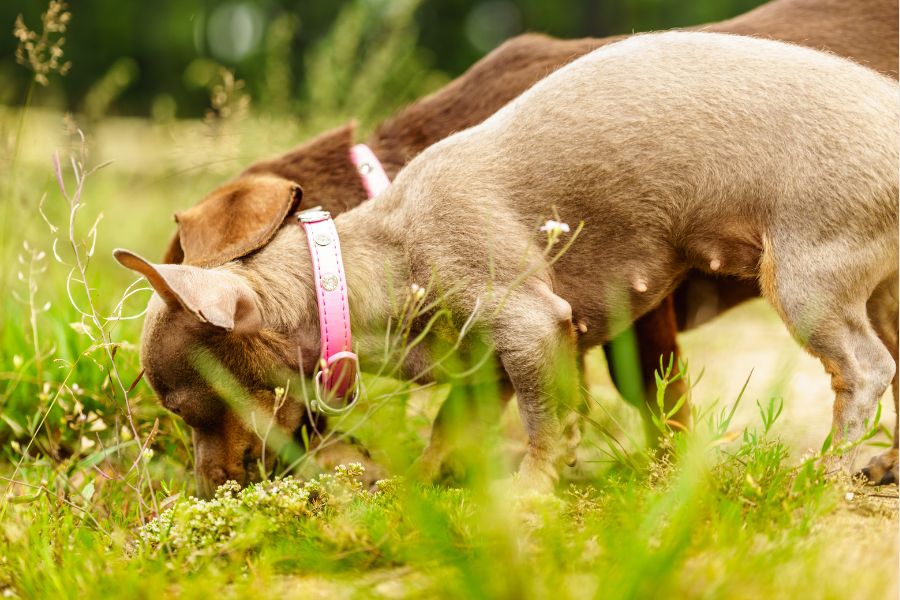
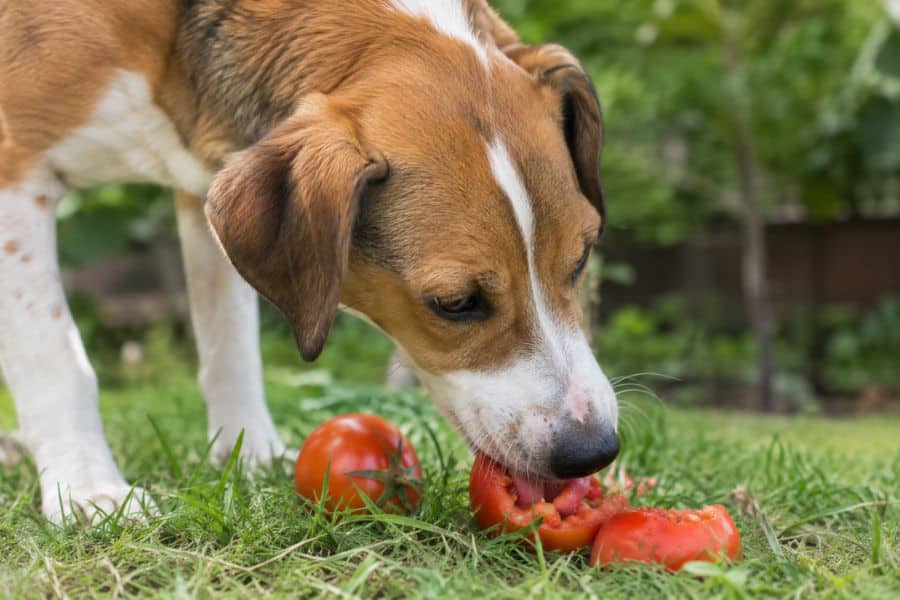
Dogs chewing on grass is a behavior that many pet owners notice, often wondering why their furry friends indulge in this grassy snack. While it may seem odd or concerning, this behavior is actually quite common and can be attributed to several behavioral reasons. Understanding these motivations can help you better care for your dog and decide when to consult a professional.
Grass Chewing: More Than Just a Quirky Habit
Dogs have evolved from wild ancestors who consumed a varied diet, including plant matter. This instinct can still be seen today in many domesticated dogs who chew or eat grass. However, beyond instinct, there are behavioral triggers that make dogs turn to grass as a form of engagement or a coping mechanism.
Boredom: Nature’s Distraction for Your Dog
One of the most frequent behavioral reasons dogs chew on grass is boredom. Dogs that lack sufficient mental and physical stimulation may begin this behavior to occupy their time. Chewing grass, digging, or other similar actions can be ways for dogs to self-entertain or seek attention from their owners when they feel neglected.
To prevent this, ensure your dog gets regular exercise, interactive playtime, and mental challenges. Enrichment activities like puzzle toys and training sessions can also mitigate boredom-driven grass chewing.
Anxiety and Stress Relief Through Grass Chewing
Just like humans might bite their nails or pace when anxious, dogs might chew on grass as a way to relieve stress or anxiety. Situations that cause separation anxiety or unfamiliar environments may trigger this behavior. Grass chewing becomes a calming activity that helps dogs manage their uneasy feelings.
Providing a safe and reassuring environment, along with behavioral interventions if needed, can reduce anxiety-related grass chewing. If your dog shows excessive signs of anxiety, consulting with a veterinary clinic in Haymarket can offer tailored solutions.
Curiosity and Exploration: Grass as an Interesting Texture
Dogs explore the world primarily through their mouths. Sometimes, chewing on grass is simply a manifestation of curiosity driven by the novelty of texture, taste, or smell. Especially in younger dogs or puppies, grass chewing can be part of learning about their surroundings.
Allowing supervised exploration while ensuring the grass or plants are free from harmful pesticides or chemicals is important for your pet’s safety.
Seeking Fiber or Nutritional Balance
Behaviorally, some dogs chew grass because their diet might lack adequate fiber. Grass provides roughage that can aid digestion and maintain bowel regularity. Dogs on low-fiber diets or certain grain-free diets might seek out grass to compensate for this deficiency.
If grass chewing seems frequent, evaluating your dog’s diet with the help of your veterinarian can help determine if dietary adjustments are needed to ensure balanced nutrition.
Stress-Induced Compulsive Behavior
In some cases, grass chewing may escalate beyond simple curiosity or boredom into a compulsive behavior. If your dog repetitively chews grass obsessively and even ingests large amounts, this could indicate an underlying psychological or environmental issue that requires professional intervention.
Veterinary behaviorists or canine counselors can provide assessment and treatment to address compulsive chewing.
When to Seek Help for Grass Chewing Behavior
While grass chewing is typically harmless, spontaneous changes in this behavior combined with signs of illness (vomiting, diarrhea, lethargy) warrant a visit to a veterinary clinic in Haymarket, VA. Persistent or extreme grass chewing leading to ingestion of harmful plants or chemicals should also prompt professional advice.
Frequently Asked Questions( FAQs)
1. What does it mean when dogs eat or chew on grass?
A: Dogs chewing on grass can signify various things, from instinct and curiosity to boredom or nutritional needs. It’s generally normal unless accompanied by sickness or behavioral issues.
2. Is it okay to let your dog eat grass if they want to?
A: Allowing your dog to chew on grass occasionally is usually safe, provided the grass is free from pesticides or harmful substances. Moderation and supervision are key.
3. Could my dog be lacking something if they chew grass often?
A: Frequent grass chewing may indicate a need for more fiber in your dog’s diet or other nutritional imbalances. Consulting your vet can help address dietary deficiencies.
4. Do dogs chew on grass when they feel sick?
A: Some dogs may chew grass when they have an upset stomach as a natural way to soothe digestive discomfort, but this is not universal. Monitoring symptoms and seeking veterinary care when needed is important.