5371 Merchants View Square, Haymarket, VA 20169

Maintaining your pet’s ideal weight is more than just about appearance—it’s a vital part of their overall health and longevity. Obesity in pets can lead to joint issues, diabetes, heart problems, and reduced quality of life. The good news?
With the right diet and portion control, you can help your furry friend stay fit and active. In this guide, we’ll explore healthy food choices, smart feeding habits, and helpful tips to ensure your pet thrives.
1. Why Weight Management Matters for Pets
A healthy weight supports your pet’s heart, joints, and overall energy levels. Overweight pets are more likely to suffer from mobility issues, breathing difficulties, and chronic illnesses. By focusing on balanced nutrition and portion control, you not only prevent health problems but also enhance your pet’s life expectancy.
Transitioning from unhealthy treats to nutrient-rich options can feel overwhelming at first, but small changes can make a big difference over time.
2. Lean Protein – The Foundation of a Healthy Diet
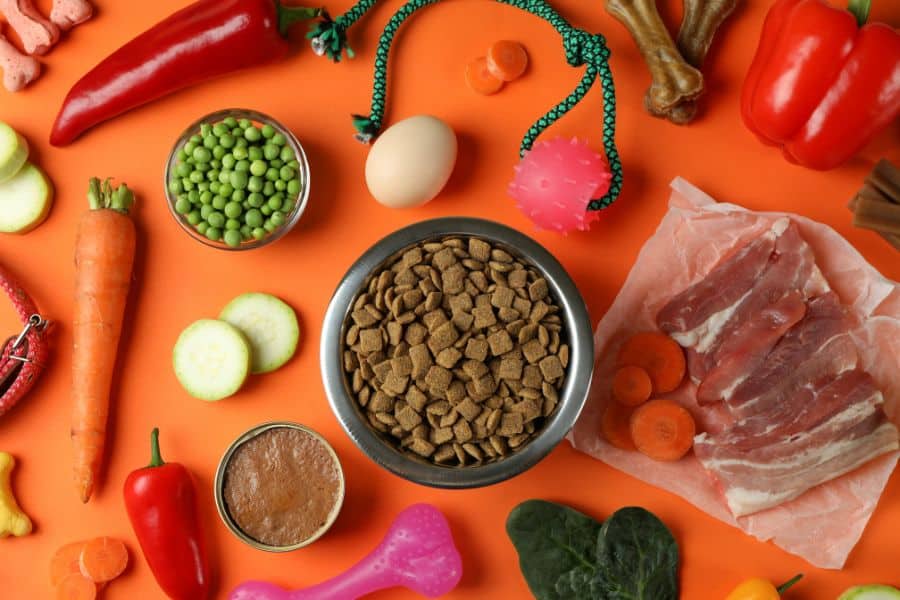
Protein is the building block of strong muscles and a healthy metabolism. Choose lean protein sources such as:
- Chicken breast (skinless, cooked)
- Turkey (low-fat, no seasoning)
- Fish like salmon or cod (rich in omega-3s)
- Eggs (scrambled without butter or oil)
Lean protein keeps your pet satisfied while supporting muscle mass during weight loss. Always cook proteins thoroughly and avoid harmful seasonings like garlic or onion powder.
3. Vegetables – Nature’s Low-Calorie Treats
Vegetables are packed with vitamins, minerals, and fiber that promote satiety without adding excess calories. Some excellent choices include:
- Carrots – Great for dental health and low in calories
- Green beans – Fiber-rich and filling
- Broccoli – Supports digestion and immunity
- Zucchini – Hydrating and light
You can steam, boil, or serve them raw (in safe sizes) for a crunchy, guilt-free snack. Always introduce new vegetables gradually to avoid digestive upset.
4. Healthy Carbs – Energy Without the Excess
Carbohydrates aren’t the enemy when chosen wisely. Opt for complex carbs that release energy slowly, such as:
- Brown rice
- Sweet potatoes
- Oats
- Quinoa
These carbs provide lasting energy for active pets without causing rapid spikes in blood sugar. Avoid refined carbs like white bread, pastries, or sugary snacks.
5. Fruits – Sweet but Smart Choices
Fruits can be a tasty treat while supplying antioxidants and hydration. However, some fruits are high in sugar, so portion control is key. Good options include:
- Blueberries – Rich in antioxidants
- Apples (no seeds) – Crunchy and fiber-filled
- Strawberries – Vitamin C boost
- Watermelon (seedless) – Perfect for hot days
Remember: grapes, raisins, and cherries are toxic to pets, so always double-check safety before serving.
6. Portion Control – The Secret Ingredient
Even the healthiest foods can cause weight gain if portions are too large. Use a measuring cup or kitchen scale to serve the correct amount of food based on your pet’s size, age, and activity level. Feeding smaller, more frequent meals can help maintain steady energy levels and prevent overeating.
Transitioning to portion control also makes it easier to reward your pet with small treats without exceeding their daily calorie needs.
7. Hydration – The Unsung Hero of Weight Management
Water plays a critical role in digestion, metabolism, and overall health. Pets often mistake thirst for hunger, leading to unnecessary snacking. Keep fresh water available at all times, and consider adding moisture-rich foods—like cucumbers or wet pet food—to their diet to promote hydration.
8. Healthy Treat Alternatives
Instead of high-calorie biscuits, choose healthy treats like small carrot sticks, apple slices, or freeze-dried lean meat. You can even make homemade pet snacks using wholesome ingredients. This not only saves money but also ensures your pet gets nutrient-rich rewards.
9. Professional Guidance for a Balanced Diet
While these tips offer a great starting point, every pet’s nutritional needs are unique. For personalized diet recommendations, visit your trusted veterinarian. The vets in Haymarket, and other reputable care providers, offer nutritional consultations to help you create a plan tailored to your pet’s age, breed, and health condition.
10. Consistency Is Key
Weight management isn’t a quick fix—it’s a long-term commitment. By consistently choosing healthy foods, practicing portion control, and keeping your pet active, you set them on the path to a healthier, happier life. Regular checkups at your local vet hospital can help track progress and adjust your pet’s diet as needed.
Helping your pet maintain a healthy weight is one of the most loving things you can do. By making small, mindful choices in their daily meals, you’re not only preventing health issues but also giving them more energy, playtime, and joy. Start with one change today—your furry friend will thank you with wagging tails and purrs.