5371 Merchants View Square, Haymarket, VA 20169

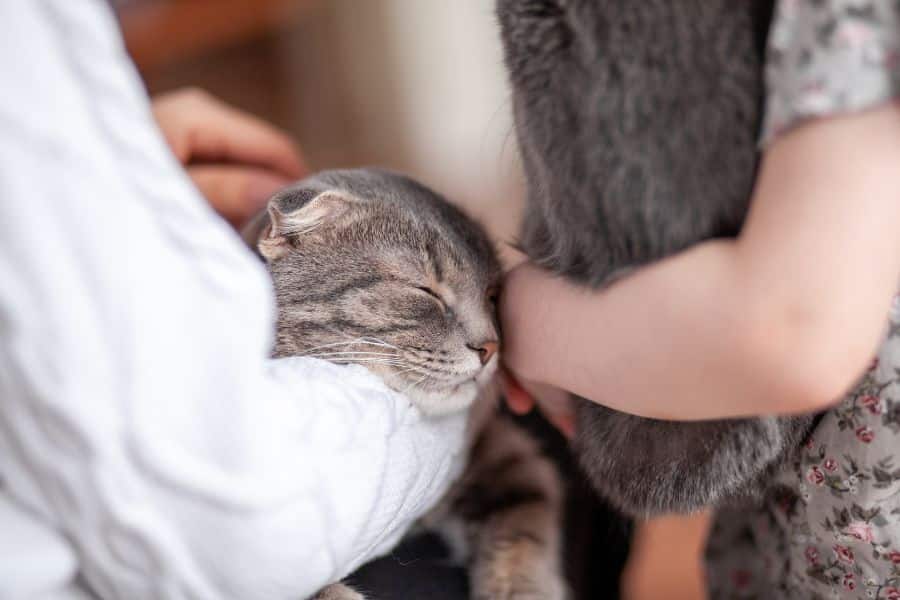
Your pet’s yearly checkup is much more than a routine visit—it’s the foundation for a long, happy, and healthy life. Just as humans benefit from regular health screenings, pets also need consistent care to prevent illnesses and detect health concerns early. Annual vet visits ensure your furry companion stays active, comfortable, and full of life.
At Dominion Valley Animal Hospital, we believe prevention is the best medicine. So, let’s walk through exactly what happens during a yearly checkup and how you can prepare.
Step 1: Schedule the Appointment Early
Booking your pet’s appointment in advance ensures you secure a convenient time for you and your veterinarian. Ideally, choose a time of year when your schedule is less hectic, allowing you to give full attention to your pet’s needs.
Pro Tip: Set a yearly reminder on your phone or calendar. This way, you won’t miss your pet’s health milestone.
Step 2: Gather Your Pet’s Health Records
Before the visit, collect important health records, including vaccination history, previous test results, and any medications your pet is currently taking. This information helps your veterinarian get a complete picture of your pet’s health and make informed recommendations.
Transitioning into the appointment with complete records makes the process smoother and prevents unnecessary repeat tests.
Step 3: Observe Your Pet’s Behavior at Home
Leading up to the checkup, pay close attention to your pet’s behavior, appetite, and activity levels. Write down any changes, no matter how small. Has your cat been drinking more water than usual? Has your dog been less playful? These details can help your vet identify early warning signs of potential health concerns.
Step 4: The Physical Examination
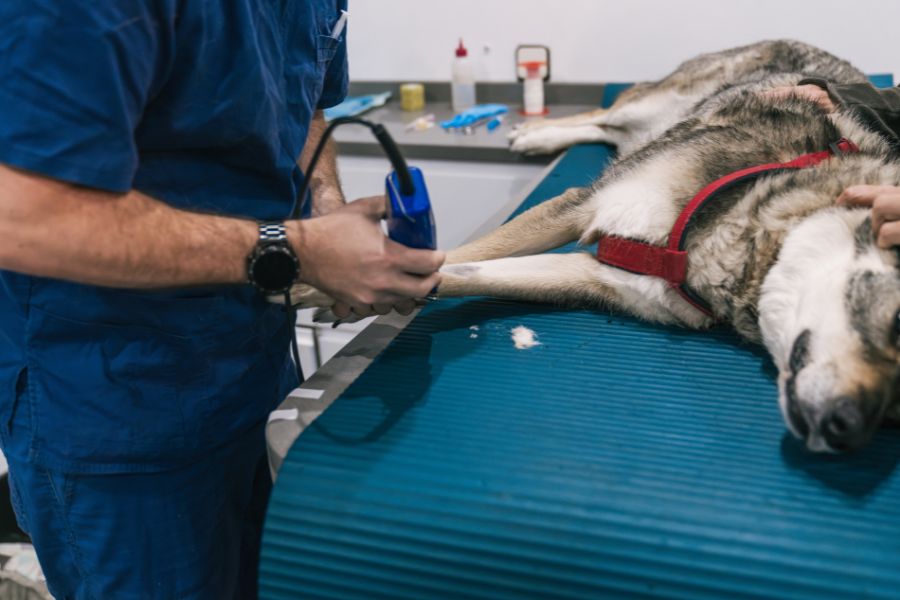
The heart of the yearly checkup is the physical exam. Your vet will carefully examine your pet from head to tail, checking their eyes, ears, teeth, skin, and coat. They’ll listen to the heart and lungs, feel the abdomen for abnormalities, and assess muscle tone and joint health.
Why it’s important: Many health issues, like dental disease or arthritis, can be detected early during a physical exam—before they cause serious problems.
Step 5: Vaccinations and Preventive Care
During the visit, your vet will review your pet’s vaccination schedule and administer any needed shots. They’ll also discuss preventive treatments for fleas, ticks, heartworms, and intestinal parasites.
These preventive measures protect your pet from diseases and keep them comfortable year-round.
Step 6: Diagnostic Testing
Even if your pet appears healthy, your vet may recommend blood work, urinalysis, or fecal exams. These tests provide valuable insights into organ function, hydration levels, and potential infections.
Think of it this way: Just because the engine in your car sounds fine doesn’t mean you skip the oil check. The same goes for your pet’s internal health.
Step 7: Nutritional Guidance and Weight Management
Obesity is one of the most common health issues in pets, yet it’s entirely preventable. Your vet will assess your pet’s weight and provide dietary recommendations tailored to their breed, age, and lifestyle.
If needed, they can suggest specialized diets for conditions like allergies, kidney disease, or joint problems.
Step 8: Address Behavioral Concerns
Yearly checkups aren’t just about physical health—they’re also a chance to discuss your pet’s behavior. Whether it’s separation anxiety, excessive barking, or litter box issues, your vet can offer training tips or recommend a behaviorist.
A well-adjusted pet is a happy pet, and behavioral health is a big part of overall wellness.
Step 9: Plan for the Year Ahead
Before leaving the clinic, schedule any follow-up visits, booster shots, or dental cleanings. By planning, you reduce stress for both you and your pet.
The clinic also offers pet wellness exams in Haymarket, that include regular checkups, making it easier to keep your pet’s health on track year-round.
Step 10: Give Your Pet Extra Love After the Visit
Finally, reward your pet for their bravery. Whether it’s a long walk, a new toy, or extra cuddle time, this positive reinforcement will help your pet feel comfortable with future vet visits.
Your pet’s yearly checkup is a gift of health and longevity. By following these steps, you ensure your furry friend receives the best possible care. Remember, pets can’t tell us when they’re feeling unwell, so proactive veterinary visits are the key to catching issues early and keeping tails wagging for years to come.