5371 Merchants View Square, Haymarket, VA 20169

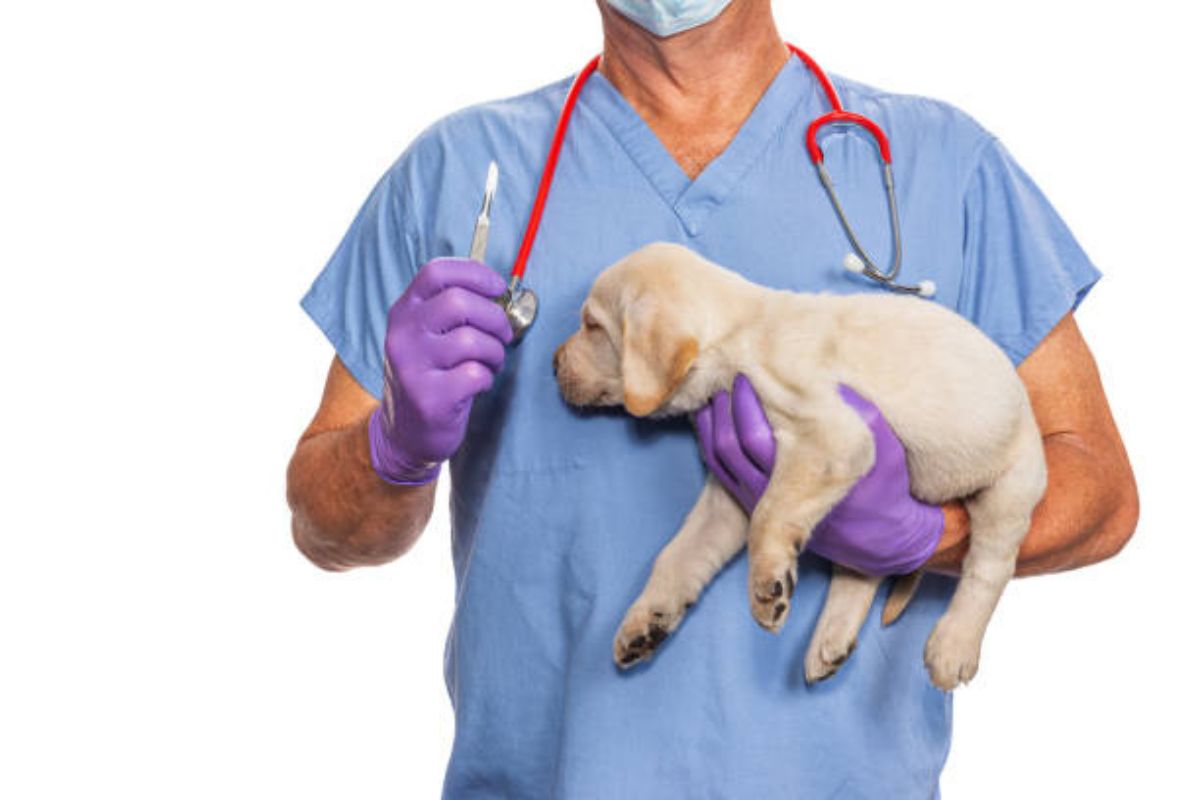
Bringing home a new puppy or kitten is an exciting and heartwarming experience. From those tiny paws to their playful curiosity, everything about them feels brand new. But as joyful as these early days are, they’re also a critical time for laying the foundation of lifelong health. One of the most important first steps? Scheduling a preventive exam with your veterinarian.
Whether you’re a first-time pet parent or adding a new companion to your family, understanding why these early checkups matter can make a big difference in your pet’s well-being.
What Is a Preventive Exam?
A preventive exam is essentially a comprehensive wellness check that gives your vet the opportunity to assess your puppy or kitten’s overall health, identify potential issues early, and start them on the right health plan. Unlike emergency visits or sick appointments, preventive exams are scheduled even when your pet appears perfectly healthy.
These visits allow your vet to track growth, monitor development, and offer guidance tailored to your pet’s specific breed, age, and lifestyle.
Why Timing Matters for Young Pets
The first few months of a pet’s life are crucial. Puppies and kittens experience rapid physical and behavioral changes during this period, and some health conditions, if left unaddressed, can develop quickly.
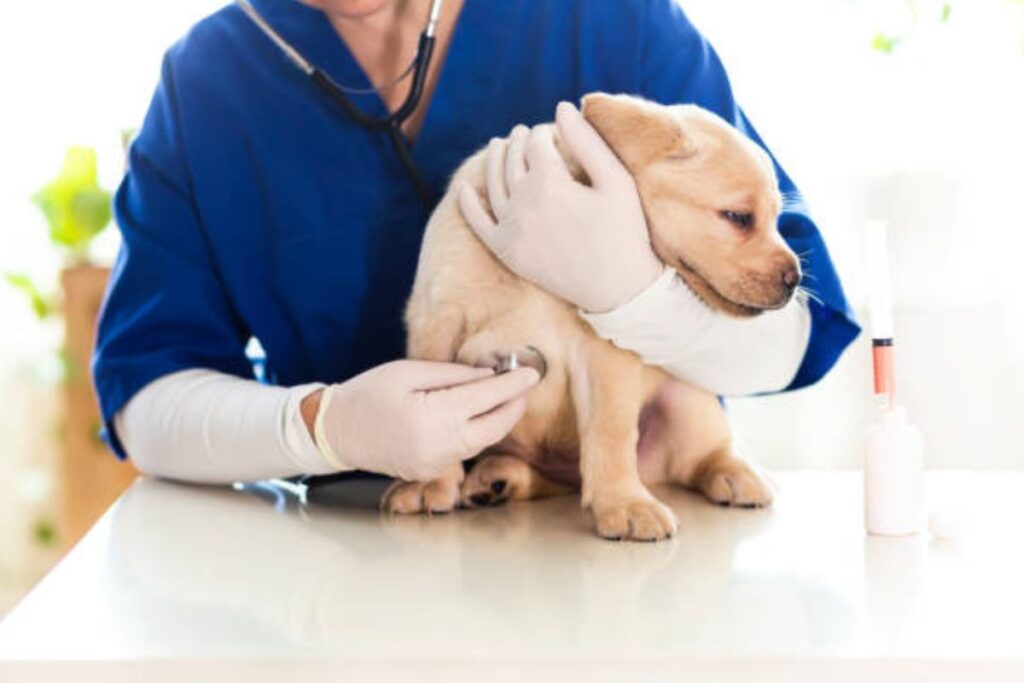
Starting preventive care early offers several key advantages:
- Vaccination Scheduling: Young pets need a series of vaccines to protect them from common and potentially life-threatening diseases like parvovirus, distemper, and feline leukemia. A vet will ensure the right vaccines are administered at the correct intervals.
- Parasite Control: Internal and external parasites, such as worms, fleas, and ticks, are common in young animals. A preventive exam includes fecal testing and recommendations for safe parasite prevention.
- Nutrition Advice: Not all pet food is created equal. Your veterinarian can help you select the best diet for optimal growth and development and explain how often to feed your new companion.
- Behavior and Socialization Tips: Early visits give you the opportunity to ask about training, socialization, and behavioral concerns. This helps avoid long-term issues and supports a well-adjusted adult pet.
- Baseline Health Records: Preventive care visits allow your vet to establish a baseline of your pet’s health, making it easier to detect subtle changes in the future.
The Value of Early Prevention
Catching health issues in the early stages is far more manageable—and often more affordable—than waiting until they become serious. Preventive care isn’t just about avoiding illness; it’s about promoting long-term vitality and well-being.
Young pets may appear energetic and playful on the surface, but certain conditions can go unnoticed without a professional health evaluation. Issues like congenital heart defects, dental misalignments, or digestive imbalances can often be managed effectively when identified early.
What to Expect at the First Visit
Your veterinarian will conduct a thorough physical examination, checking the eyes, ears, teeth, heart, lungs, skin, and overall body condition. They’ll likely run tests to check for parasites and may recommend microchipping if it hasn’t been done already.
You’ll also receive a vaccination and deworming schedule, as well as recommendations for spaying or neutering. Depending on your pet’s age and background, some initial diagnostics like bloodwork or FeLV/FIV testing (for kittens) may be advised.
Most importantly, you’ll have a chance to ask questions. Don’t hesitate to bring up anything you’ve observed—no matter how small it seems. A sneeze, a limp, or even an odd bathroom habit could be more important than you think.
The Long-Term Benefits of Early Preventive Care
Early vet visits also allow pet parents to ask important questions about diet, behavior, spaying/neutering, flea and tick prevention, microchipping, and safe socialization practices. Your veterinarian will help you build a custom care plan tailored to your pet’s breed, lifestyle, and risk factors.
These visits set a rhythm for future wellness exams for your pet, which are typically recommended annually for adult pets and more frequently for growing puppies and kittens. Keeping up with routine care helps track changes in your pet’s health and provides peace of mind.
A Caring Start Leads to a Healthier Life
Your new pet is counting on you to guide them through these early months with love, patience, and proper care. A preventive exam is more than a formality—it’s a vital investment in their future. By getting started with regular veterinary checkups, you’re giving your puppy or kitten the healthiest start possible. And when they grow into a strong, happy adult pet, you’ll know you were there every step of the way.